Female athletes have turned a celebrity betting spot into a broader campaign about who controls imagery in sports marketing—a debate that predates Sydney Sweeney but gained momentum this week as Olympians posted training footage in response.
A pattern athletes recognize
Sponsors have long used suggestive poses to sell products unrelated to performance. The Novig ad became a flashpoint because it pairs sexualized staging with an industry—gambling—that already targets young men.
The Independent quoted weightlifting coach Danielle Bagacay saying sexualization is an everyday burden for women in sport, not an isolated ad slip.
Reclaiming the camera
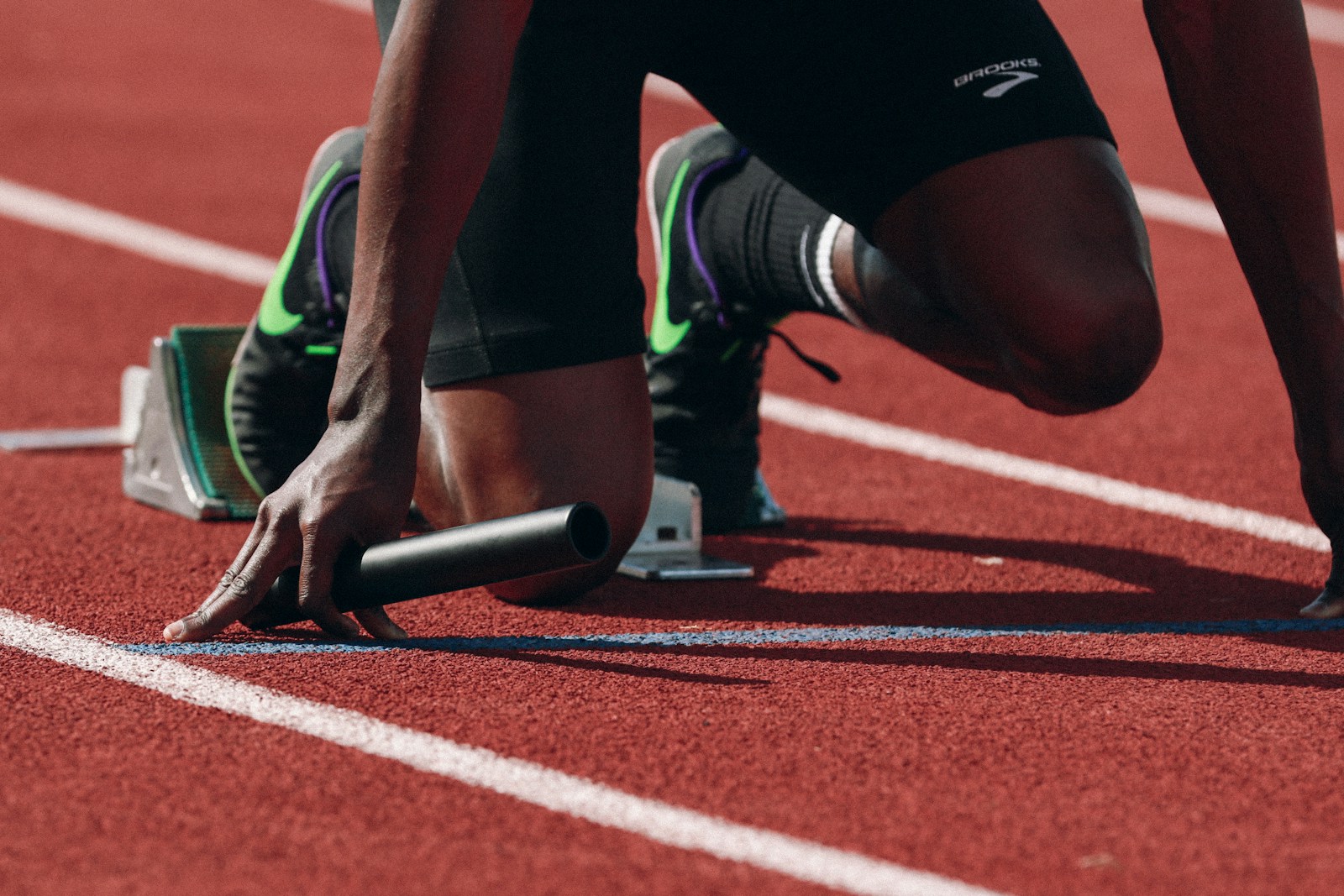
Athletes countered with clips of tackles, turns, and lifts, captions emphasizing skill over spectacle. Australian swimmer Lani Pallister and sprinter Bree Rizzo joined the chorus, arguing marketers should hire athletes when they want athletic credibility.
Sports federations face pressure to tighten endorsement guidelines. Some national Olympic committees are reviewing whether betting partnerships conflict with athlete welfare policies adopted after prior scandals.
Sponsors and unions
Agents report brands asking for “authentic” women’s sports content while briefing creative teams with lingerie-ad storyboards. Player associations want veto rights over depictions that sexualize minors or misrepresent disciplines.
Broadcasters weigh in too: ABC Australia hosted debates on whether sexualized gambling ads belong on free-to-air television when children watch weekend matches.
What changes could follow
Advertising standards boards in the UK and Australia have received complaints citing harm and objectification. Fines are rare, but public pressure has ended campaigns before.
Athletes insist the fix is not prudishness but agency—contracts that let them approve creative, revenue sharing when their likeness sells tickets, and marketing that shows sweat rather than innuendo.
Whether this week’s backlash alters Novig’s creative direction remains unseen. The athlete-led gallery on social feeds already offered a competing brand identity.
Younger athletes weigh in
College players on TikTok stitched the Novig ad with clips from campus matches, hashtagged #RealAthletes, garnering millions of views. High school coaches said they use the moment to discuss media literacy with teen girls considering sponsorship deals.
Apparel brands that outfit national teams distanced themselves from gambling creatives while reaffirming commitments to pay equity in their own campaigns.
Sports sociologists note that social media gives athletes direct channels once controlled by broadcasters and sponsors, shifting who defines “marketable” imagery. That power only matters if federations back players who refuse exploitative contracts.
Paralympic athletes joined the conversation, emphasizing that sexualized marketing often ignores adaptive sports narratives altogether.
Several team captains said they would refuse promotional appearances tied to gambling brands unless creative depicts sport authentically, signaling labor leverage beyond social media posts.