 Deep Dive
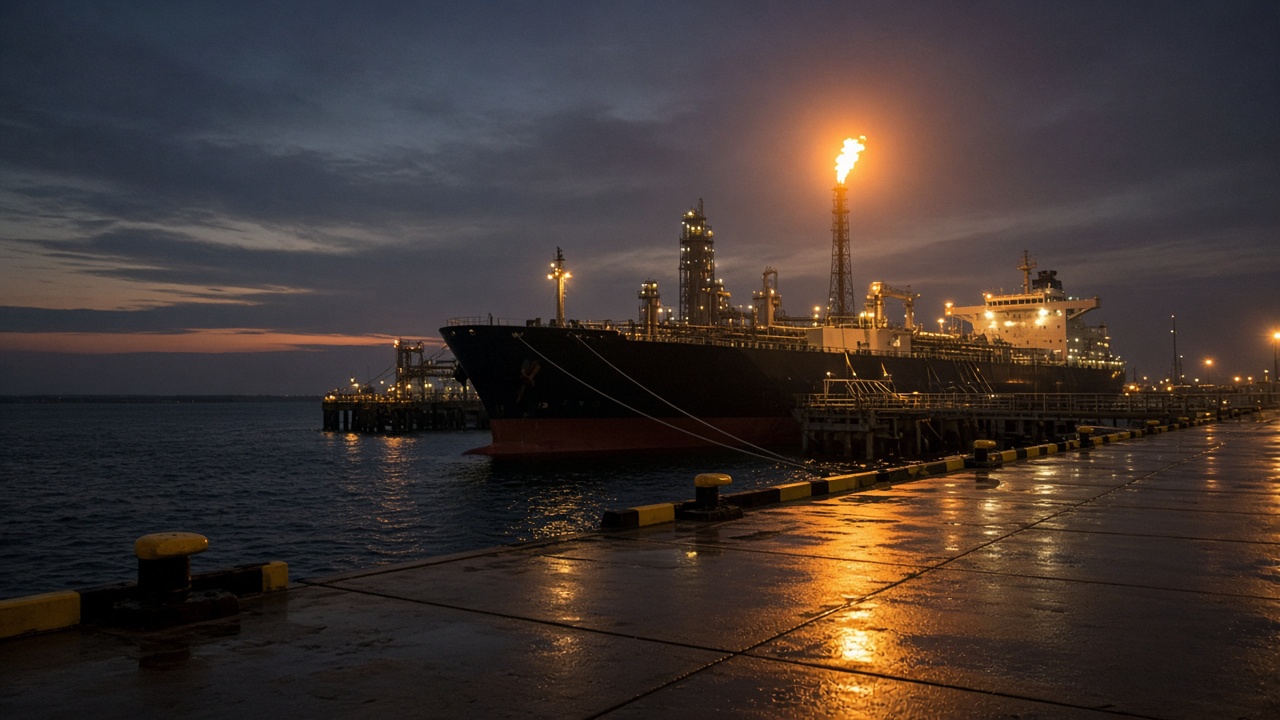
America Wired Its Thermostats to Rotterdam: How LNG Exports Turn Cheap Gas Into Global Shock
The shale boom promised gas too cheap to export; liquefaction plants now tie Midwest furnaces to Rotterdam bidding wars.
Section
Deep DiveThe shale boom promised gas too cheap to export; liquefaction plants now tie Midwest furnaces to Rotterdam bidding wars.

NOAA told coastal states it will align new resilience grant scoring with the UN sea-level declaration’s data and adaptation pillars before the Atlantic hurricane season’s historical peak, steering Bipartisan Infrastructure Law and climate resilience funds toward projects that cite localized tide-gauge trends.
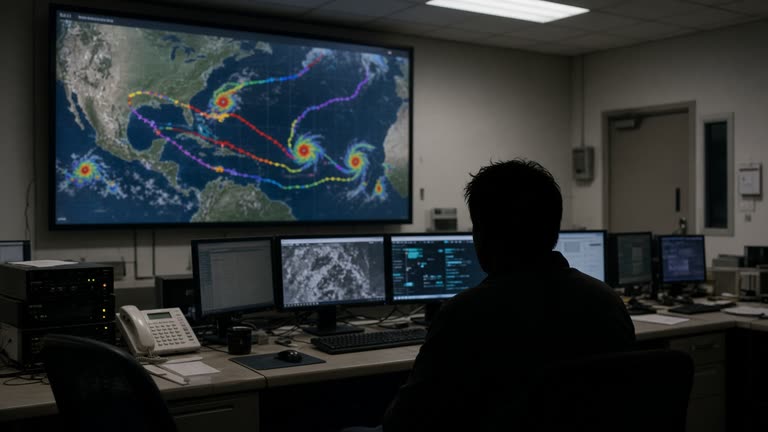
NOAA’s Climate Prediction Center nudged its Atlantic hurricane outlook upward after a September cluster of tropical waves off West Africa produced three named storms in ten days, raising ACE expectations without changing the core La Niña–linked shear forecast.
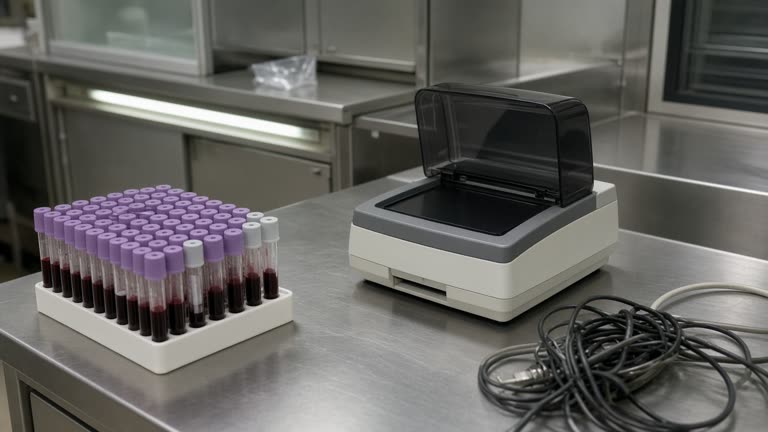
Johns Hopkins researchers published a six-analyte blood panel correlated with post-exertional fatigue in long COVID clinic cohorts, giving trial sponsors a reproducible endpoint without claiming diagnostic certainty for individual patients.
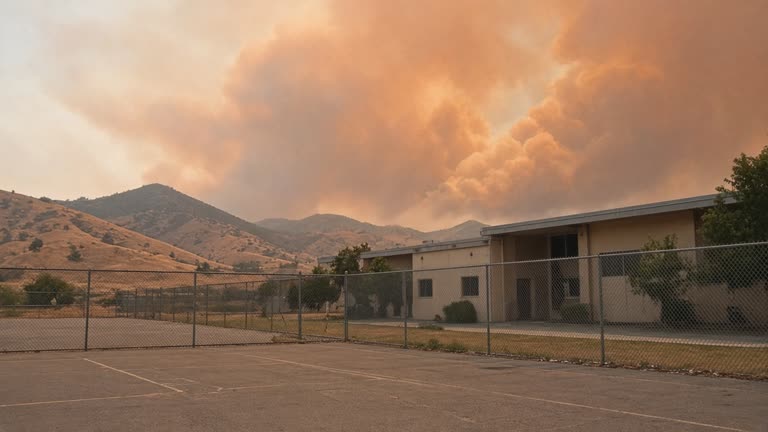
Stanford’s ECHO lab released daily smoke-attributable PM2.5 estimates aggregated to California school districts through 2023, giving districts a common baseline for closing schools and tuning ventilation during fire season.