KARI posts orbital telemetry showing all 15 CubeSats from the fifth Nuri flight reached planned inclinations, including university experiments and a maritime AIS payload.
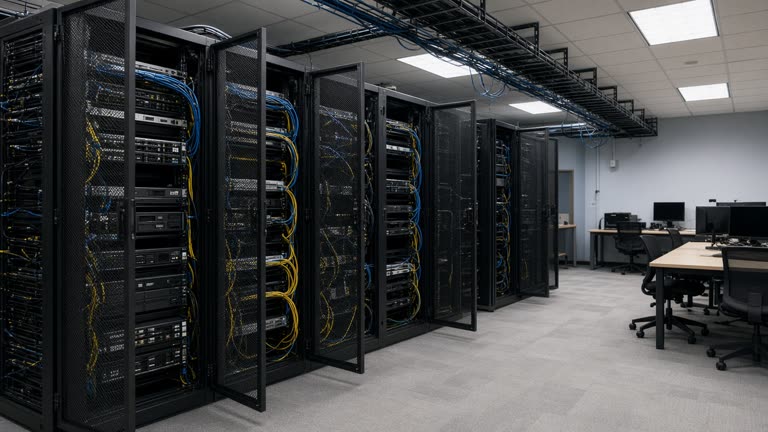
KAIST researchers reported that their CONDA vector index held retrieval accuracy as documents were added and deleted, a pain point for Korean enterprises retraining RAG chatbots weekly.
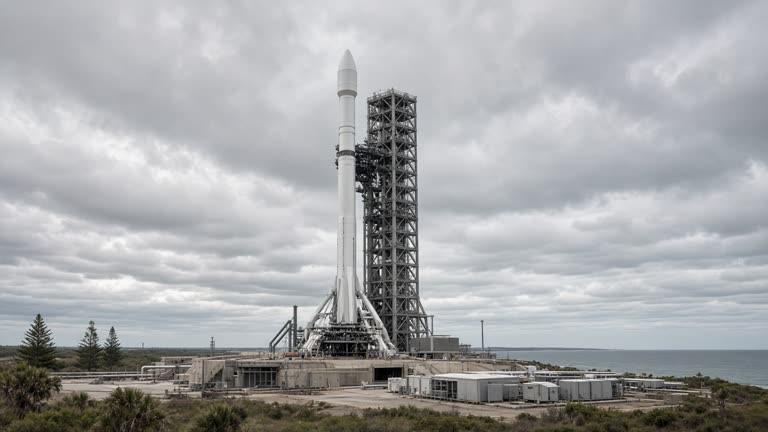
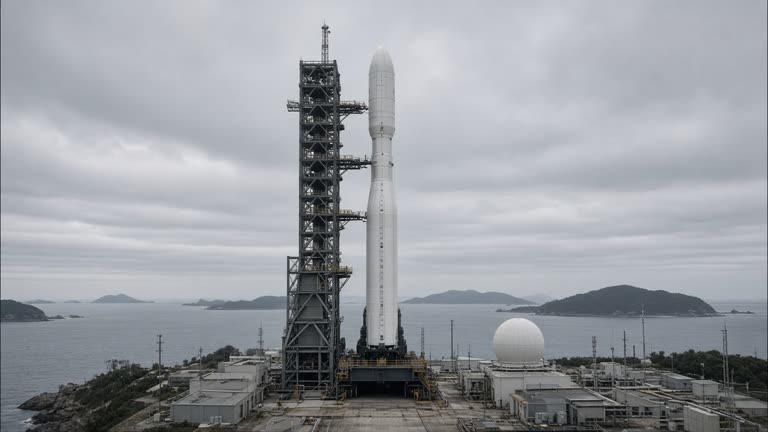
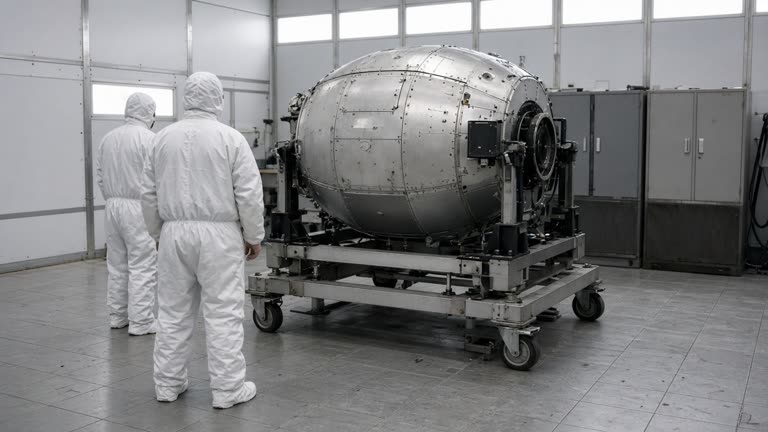
KASA moved the fifth Nuri vehicle onto its Goheung pad with 15 spacecraft aboard and set a launch window between 12:23 p.m. and 1:23 p.m., testing multi-satellite deployment for the NEONSAT constellation.
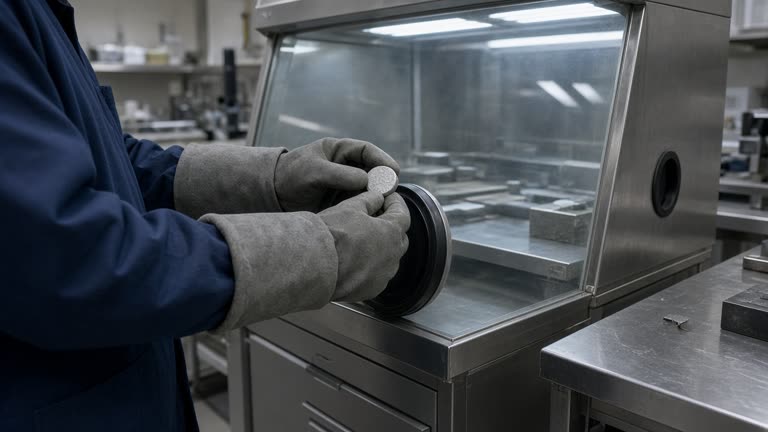
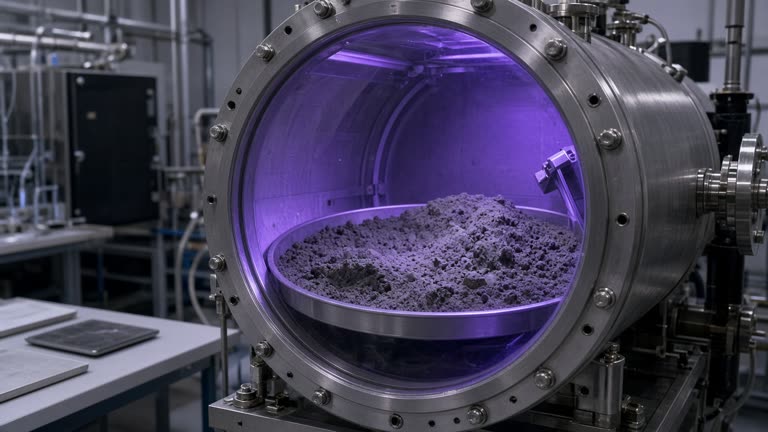
KAIST materials scientists posted peer-reviewed stack metrics for a sulfide solid-state electrolyte ahead of Seoul's InterBattery expo week, giving Korean cell makers a domestic benchmark for thermal stability claims.
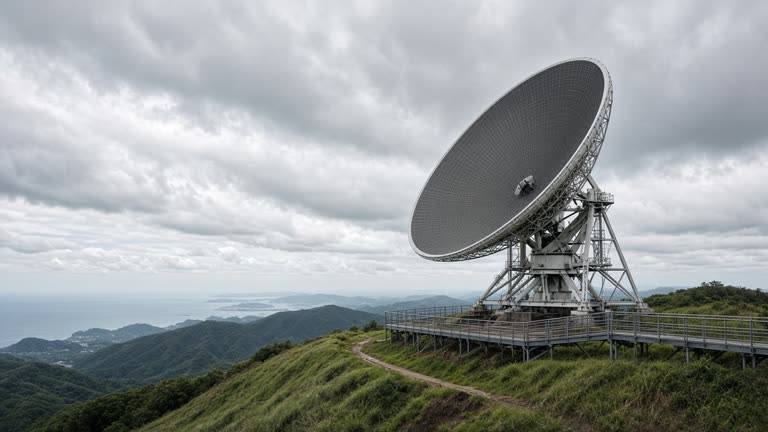
The Korea Astronomy and Space Science Institute opened guided student access to its Jeju radio telescope array, letting high-school teams collect pulsar timing data during a post-holiday science camp.
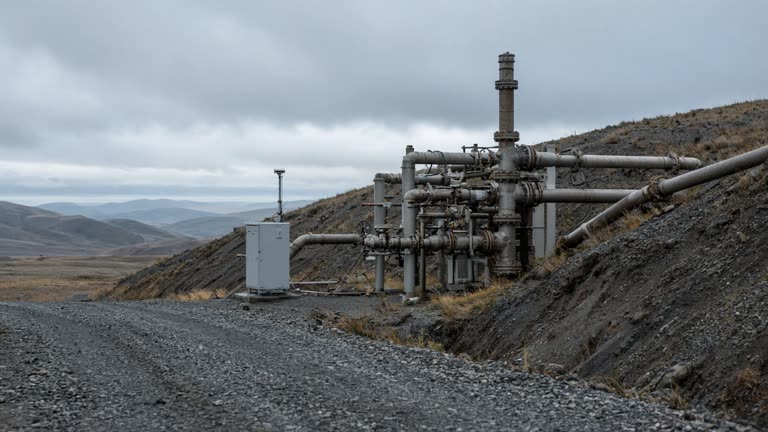
Korea Institute of Geoscience and Mineral Resources logged a microseismic swarm within two kilometers of Pohang geothermal wells after a September tremor, pausing injection tests while residents demand updated risk maps.
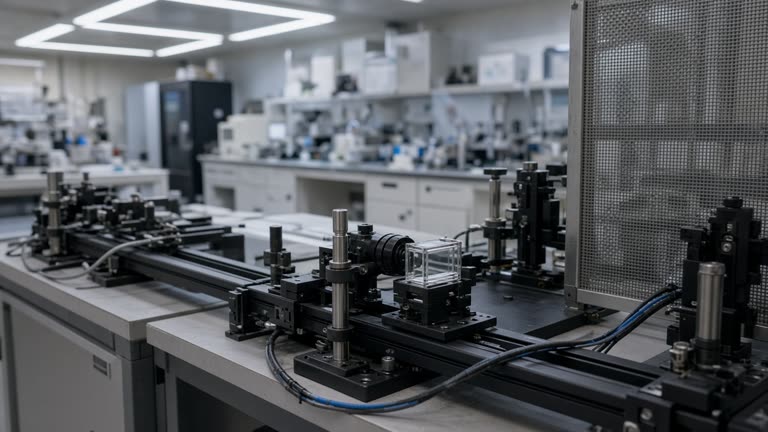
A KAIST–IBS team used PAL-XFEL X-ray liquidography to capture picosecond intermediates when azobenzene bends under laser light, settling a long debate over rotation versus inversion for photopharmacology switches.
A KAIST team led by Kwang-Hyun Cho published NUDGE in PNAS, a computational method that finds minimal temporary stimuli to steer cells toward new fates without permanent gene edits.
KAIST researchers published temperature thresholds for nickel-rich EV pack thermal runaway after retesting cells from a domestic garage fire, giving firefighters numeric tripwires for hose tactics.
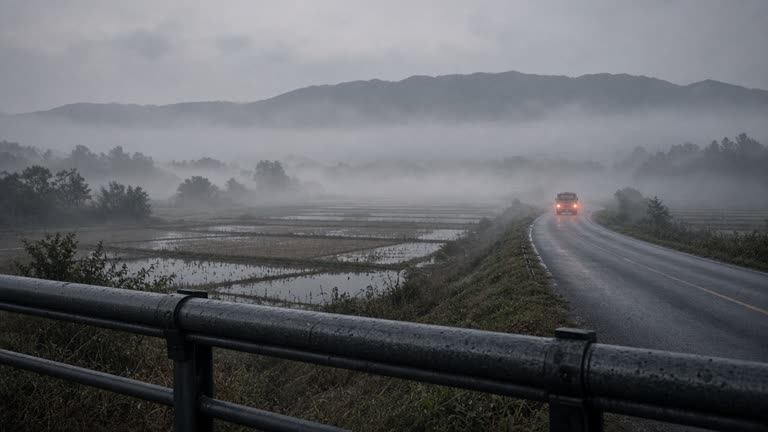
Korea's final Chuseok return day splits into three local problems: radiation fog pooled in interior basins before noon, a perigean spring tide running at the top of its cycle along the west and south coasts, and rain over Jeju. Each is decided by instruments, not by provinces.
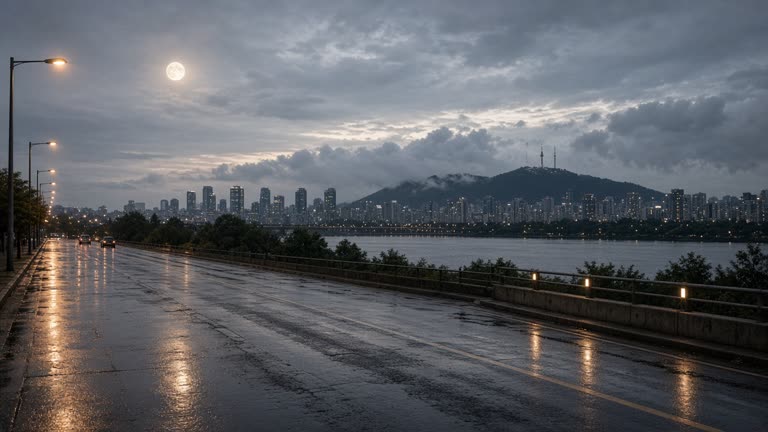
The Korea Meteorological Administration's post-front outlook has the rain band that crossed the Seoul metropolitan area on Sept 25 pulling away over the holiday, opening a clearer window for moon-viewing and return travel — a forecast whose real subject is timing, not temperature.
Korea Aerospace Research Institute staff briefed National Assembly science aides on fuel-margin reserves for the next lunar orbiter phase ahead of a Science ICT committee markup, citing delta-v margins from the Danuri mission and warning that a trimmed space budget line would delay trajectory correction tests.
The Korea Meteorological Administration forecast clear Chuseok skies over Jeolla provinces for full-moon ancestral rites after an early-week frontal rain band exits, while coastal gust advisories linger for ferry routes.
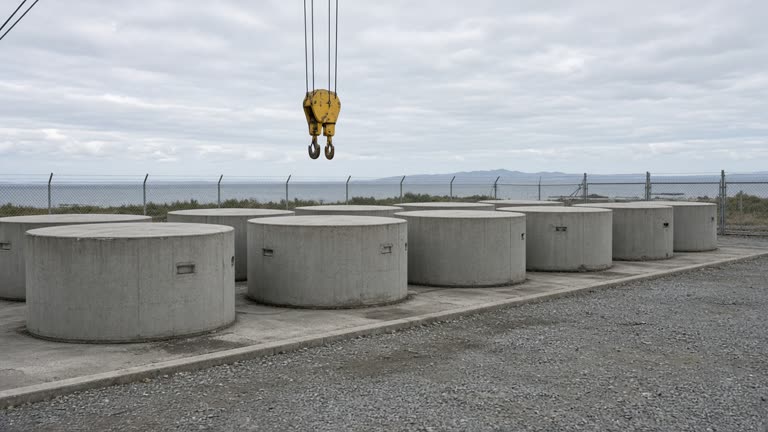
KAERI published Wolseong spent-fuel dry-cask thermal models ahead of a Nuclear Safety and Security Commission session, showing peak cladding temperatures below design limits under conservative heat loads but flagging seal inspection intervals regulators may tighten.
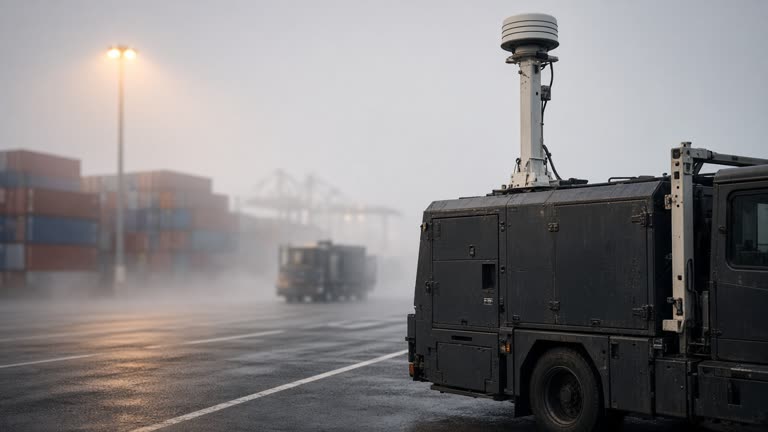
KRISS released open coastal fog lidar readings tied to Busan container convoy slowdowns, giving port planners 20-minute visibility forecasts when autumn sea fog stalls truck gates.
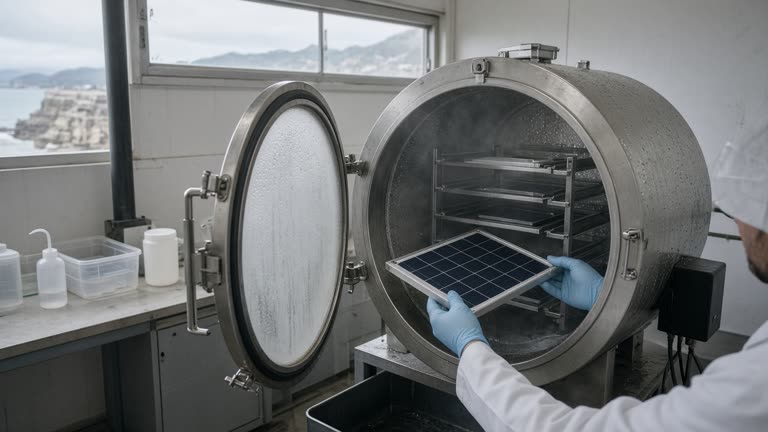
KAIST engineers published salt-spray durability data from Jeju coastal chambers showing encapsulated perovskite mini-modules retaining 91 percent efficiency after 1,000 hours—bridging lab humidity tests and island BIPV pilots.
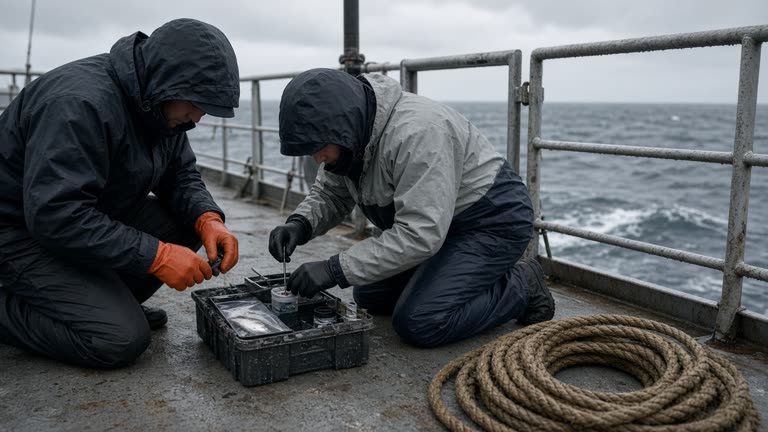
KIOST scientists tagged 120 juvenile eels off Busan and tracked them along thermocline corridors where warm Tsushima Current water meets cooler coastal layers, refining catch quotas before autumn glass-eel arrivals.