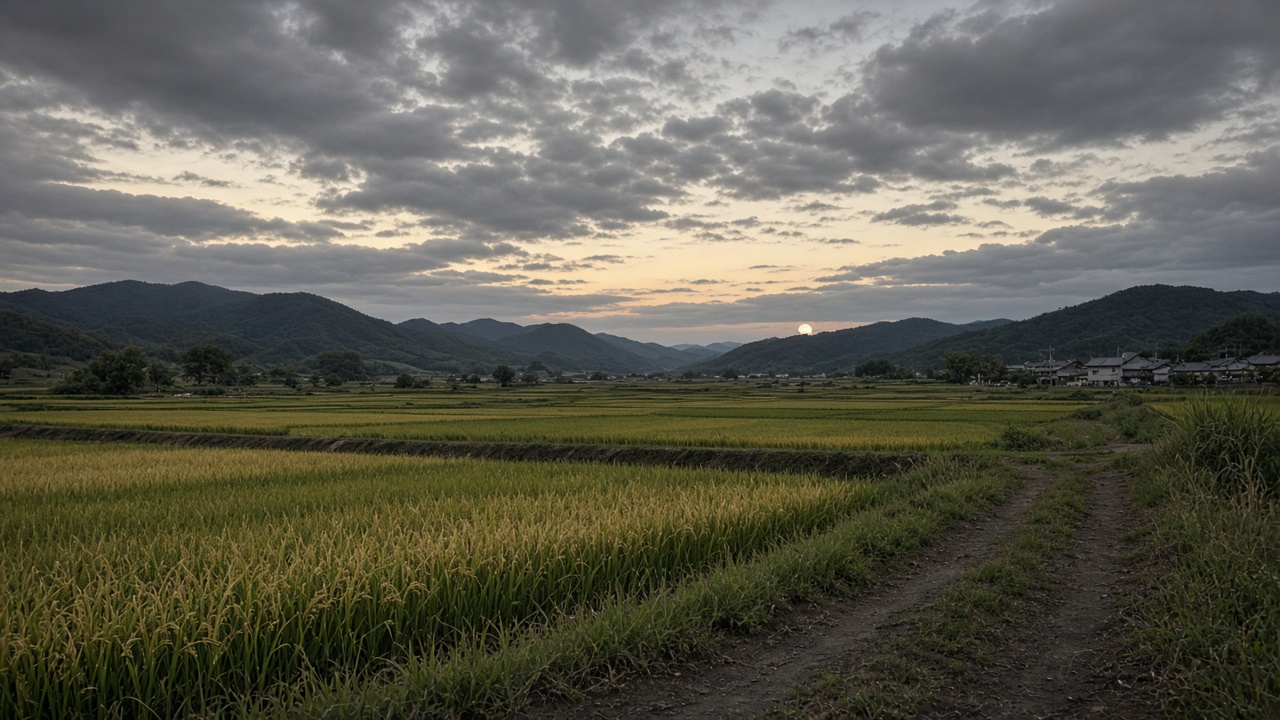
The Korea Meteorological Administration said Wednesday that Chuseok eve skies over Jeolla provinces should clear in time for full-moon ancestral rites after an early-week frontal band exits toward the East Sea, leaving inland valleys with light winds and visibility favorable for outdoor jeongwol jesarye tables. Coastal strips from Mokpo to Yeosu may still see gust advisories through Thursday morning as residual moisture meets warm sea surfaces, a pattern forecasters tied to typhoon outer circulation well north of Okinawa rather than a direct landfall threat.
Timing the clearing trend
KMA’s medium-range desk showed the front crossing Honam overnight Tuesday, dumping 20–40 millimeters on Gwangju and Suncheon before dawn. Post-front high pressure should build across the southwest through holiday night, with moonrise illumination above 95 percent for villages that schedule rites after highway arrivals peak. Inland low spots may see patchy fog before sunset; officials asked drivers to watch for sudden visibility drops on farm roads without street lighting.
Coastal and ferry cautions
Maritime forecasts kept small-craft advisories for Jeolla coastal waters through Thursday afternoon, affecting inter-island ferries serving Wando and Heuksan routes popular with returning diaspora families. Operators said they will run extra sailings if winds drop below advisory thresholds but will not overload holiday manifests—a safety line KMA supported in a joint briefing with the Ministry of Oceans and Fisheries.
Ritual and public-health notes
Provincial cultural offices reminded households that clear skies do not erase heat-stress risks for elderly participants standing hours at outdoor altars; Jeollanam-do health teams will distribute shaded seating at selected public heritage sites. Fire agencies repeated bans on burning crop residue near ritual fires after a 2024 field grass fire spread from incense ash in a Goheung village.
What could still change
Forecasters warned a secondary trough could brush southern Jeju late holiday weekend, too late for core rites but relevant for return traffic. KMA will issue hourly updates on a Chuseok microsite pairing radar loops with moonrise tables by county. If the high-pressure ridge shifts east faster than models show, western Jeolla could see thin cirrus—not enough to block the moon, but enough to dull phone-camera photos diaspora guests share online.
Agricultural extension offices noted dry post-front winds could accelerate rice husk drying in paddies near ritual sites—helpful for farmers but a reminder to keep incense and candle flames away from straw piles stacked for harvest. KMA shares those advisories with village safety officers who broadcast over community loudspeakers still used in older Honam towns.
For Honam families timing rites to the full moon, the agency’s message is straightforward: prepare for wet roads midweek, then expect open skies for the ritual night—while keeping an eye on coastal wind if ferries are part of the journey home.