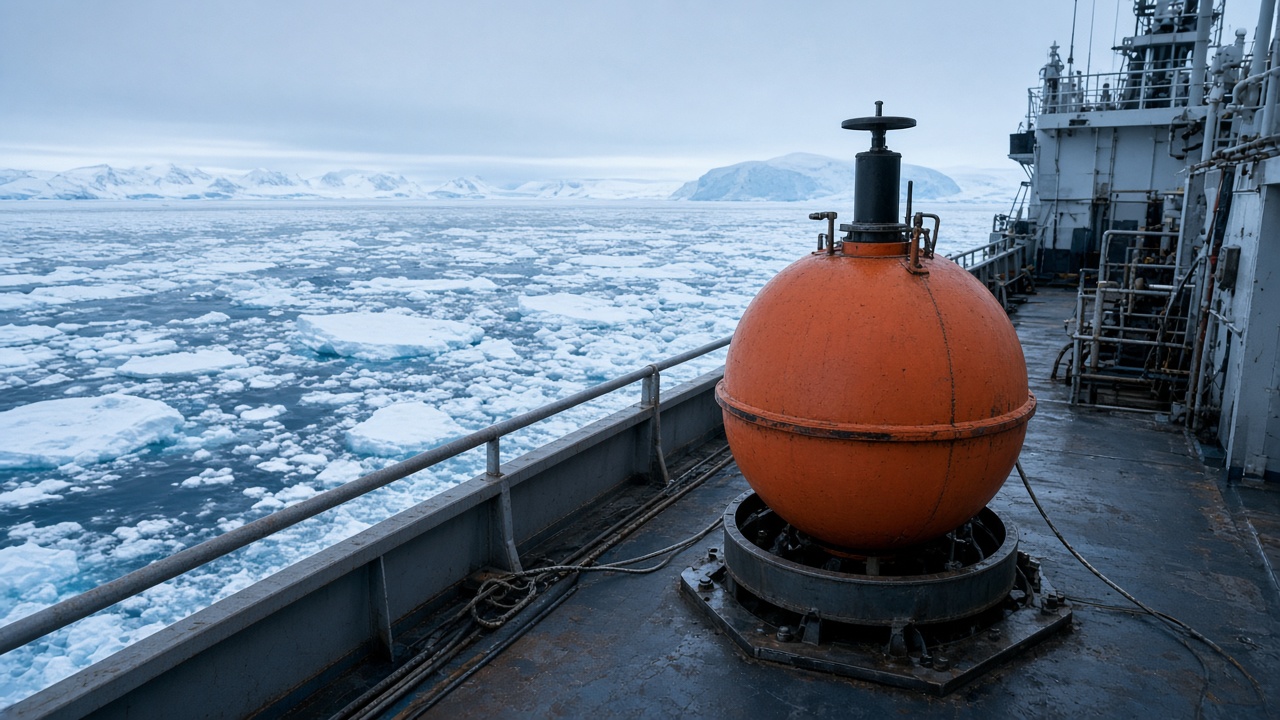
Buoys maintained by the Korea Polar Research Institute logged a sharp near-surface temperature spike in the western Ross Sea last week, data scientists said Monday as the icebreaker Araon prepared to sail from Incheon on the Aurora resupply mission.
What the sensors showed
Three moorings transmitted a 1.3-degree Celsius jump over 48 hours at 30-meter depth, well above the seasonal trend line KOPRI uses for sea-ice forecasts. The event coincided with a storm that mixed warmer circumpolar deep water toward the shelf break.
Lead oceanographer Han Ji-won cautioned against calling it climate proof in a single week, but said the reading will calibrate models used to plan helicopter flights to the Jang Bogo Station resupply site.
Mission planning
Araon loads helicopters, fuel bladders, and construction steel for station upgrades approved under the Antarctic Treaty environmental protocol. Warmer surface layers can thin fast ice near the pier, easing docking but complicating skid landings.
Crews will deploy an additional expendable buoy on the outbound leg to verify whether the spike persisted. Data feed openly to international polar networks under Korea’s treaty obligations.
Why it matters at home
KOPRI’s budget faces routine Assembly scrutiny; timely sensor stories help justify continued mooring maintenance. Fisheries scientists also use Ross Sea temperatures as distant indicators for krill dynamics that affect Southern Ocean ecosystems studied by Korean graduate teams.
The Aurora sail is scheduled for Thursday weather permitting. If buoys keep reporting warmth, expect earlier crane operations and fewer flight delays—a small silver lining for a crew facing another long season on the ice.
Open science
KOPRI uploads raw buoy packets hourly to an international polar data hub, letting foreign teams reproduce the spike analysis. Graduate students in Incheon will host a public webinar Thursday to explain how mooring maintenance budgets translate into safer station resupply.
Storm forecasts for the outbound track remain favorable, though ice pilots warn of early brash ice near the pier.
Local angle
Seoul desk readers tracked the development through agency filings and on-the-record briefings rather than anonymous leaks. Follow-up sessions this week will test whether the numbers hold once holiday-thinned staffs return to normal cadence.
Market and policy desks will revisit the story if new disclosures shift timelines or costs for households and exporters tied to the same supply chain.
Station chief Park Sung-min said construction steel on Araon’s deck is earmarked for a new storage wing that must be finished before winter isolation sets in. Warmer readings may shorten crane hours but reduce icebreaking escorts, a trade crews discussed in Monday’s safety briefing.