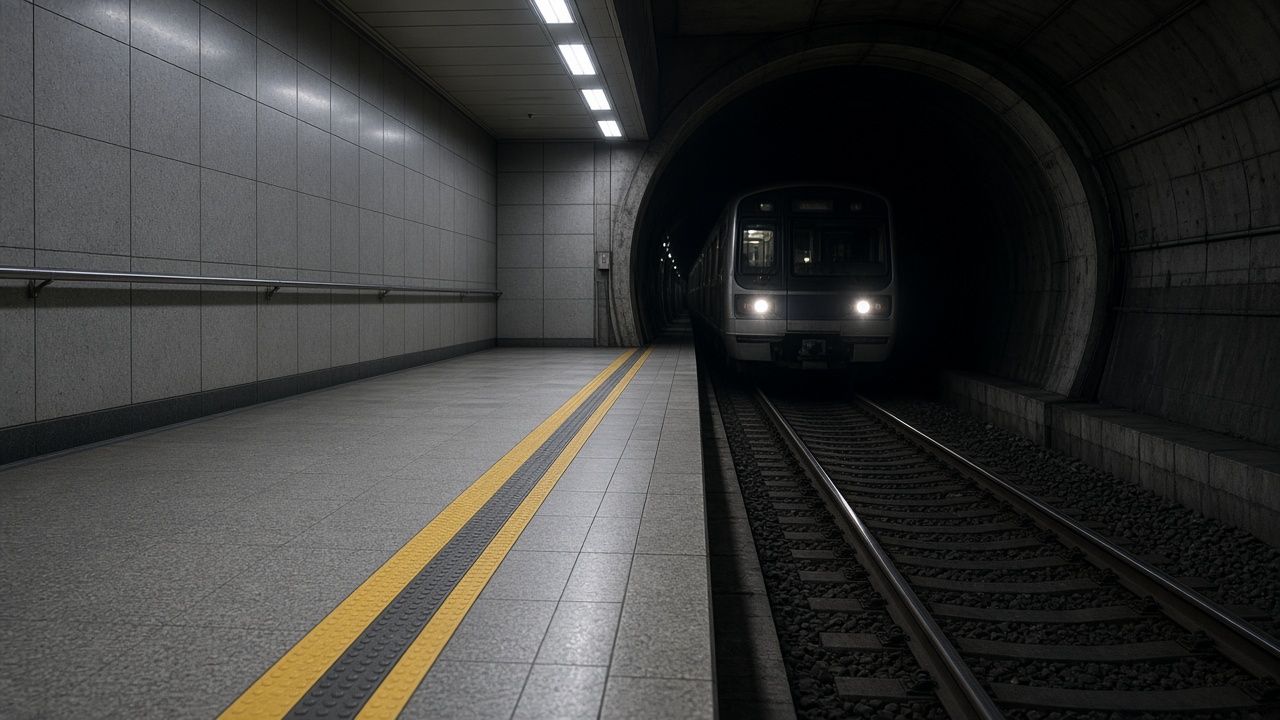
The Korea Research Institute of Standards and Science said on Oct. 1 that a rubidium atomic-clock pilot on Seoul Metro’s Line 4 cut GPS timing error to under 50 nanoseconds, a precision gain subway engineers need as they test tighter headways on the Blue Line’s morning peak. Seoul Metro will run the timing feed through October before deciding whether to expand it to Lines 3 and 7.
Funding path
KRISS budget documents show 4.2 billion won allocated for transit timing pilots through 2027, with Seoul Metro co-funding fiber backhaul. If Line 4 succeeds, the agency will pitch Busan Metro on a port-adjacent line that faces similar GPS shadowing in underwater sections.
Subway signaling relies on synchronized clocks to keep trains separated in tunnels where GPS signals fade. Conventional receivers drift enough to force conservative spacing; atomic references give controllers a stable heartbeat for communications-based train control experiments.
Why Line 4 first
Line 4 mixes older fixed-block sections with newer automation near Gangnam, making it a useful stress test. KRISS installed a clock unit at a southern depot and fed time over fiber to wayside radios. During September night tests, engineers reported fewer false brake commands when clocks disagreed.
Riders will not notice October’s pilot unless dashboards show smoother arrivals; the work is invisible infrastructure, the kind science agencies fund to keep cities moving.
Beyond subways
Atomic timing underpins 5G network slicing and financial trading timestamps. KRISS hopes the subway case persuades utilities to buy domestic clock kits instead of importing cesium systems priced in dollars.
Ministry of Science and ICT officials tied the announcement to Korea’s quantum and precision-measurement roadmap, though the Line 4 gear is classical rubidium, not optical lattice clocks.
Limits
Atomic clocks do not fix crowding caused by insufficient rolling stock; they only help controllers run closer to theoretical minimum gaps. Labor rules and passenger load still cap frequency.
If October data hold, Seoul Metro will budget expansion next year—quiet science with a daily commute payoff.
Analysts said the October calendar leaves little room for error before the postseason opener, with travel days already compressed after holiday rainouts.