Researchers say methane and carbon dioxide released by thawing soils, wetlands, wildfires and inland waters could amplify post-2020 warming by 20 to 30 percent—mostly missing from the models behind national climate pledges.
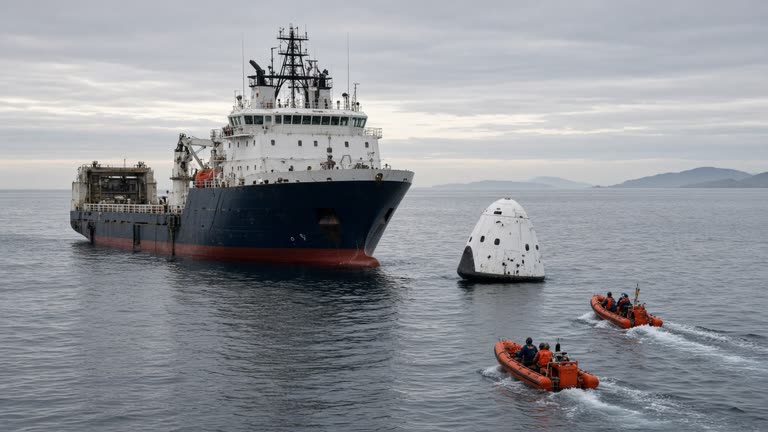
Four astronauts and a cosmonaut ended a 237-day station stay with a dawn splashdown off Los Angeles, capping a mission that pushed Meir past 440 cumulative days in orbit.
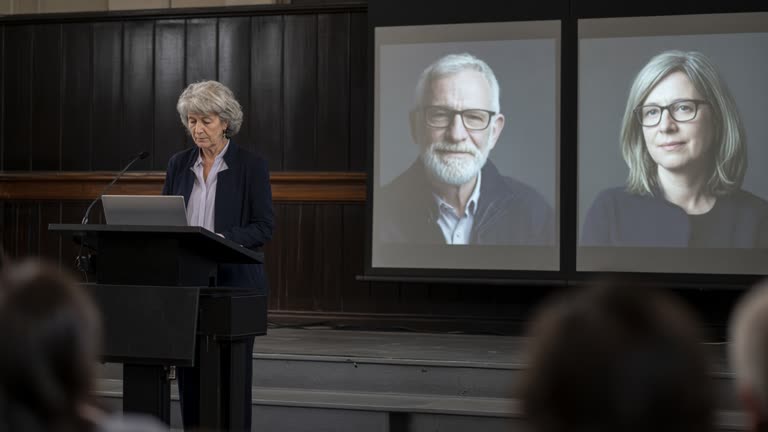
Henri B. Kagan and Kenso Soai split the 12 million kronor prize for reactions that explain how living chemistry picked one molecular mirror image over the other.
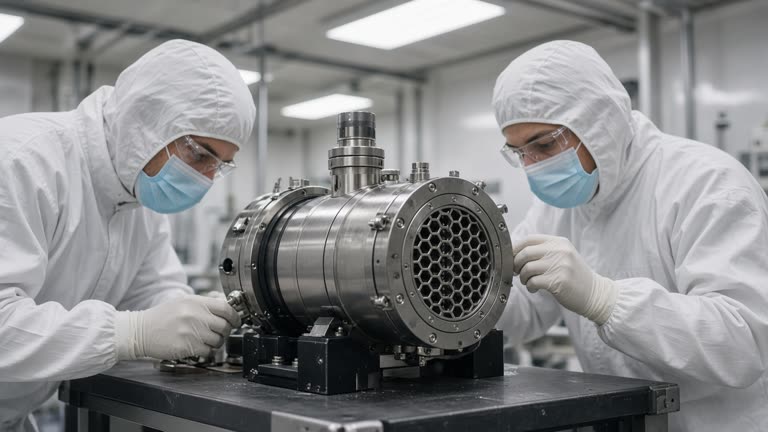
The Japan Aerospace Exploration Agency lost the only ion thruster still driving Hayabusa2 on its extended mission and plans to splice working parts from two dead engines to keep the probe moving toward asteroid 1998 KY26.
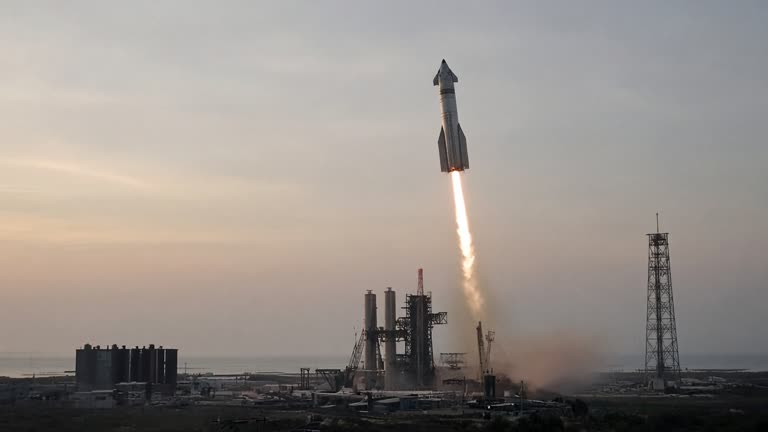
Mission controllers pressed ahead with an orbit burn after an ascent engine failure, putting the Super Heavy stack on a planetary circuit for the first time before planning an early Pacific splashdown.
NOAA told coastal states it will align new resilience grant scoring with the UN sea-level declaration’s data and adaptation pillars before the Atlantic hurricane season’s historical peak, steering Bipartisan Infrastructure Law and climate resilience funds toward projects that cite localized tide-gauge trends.
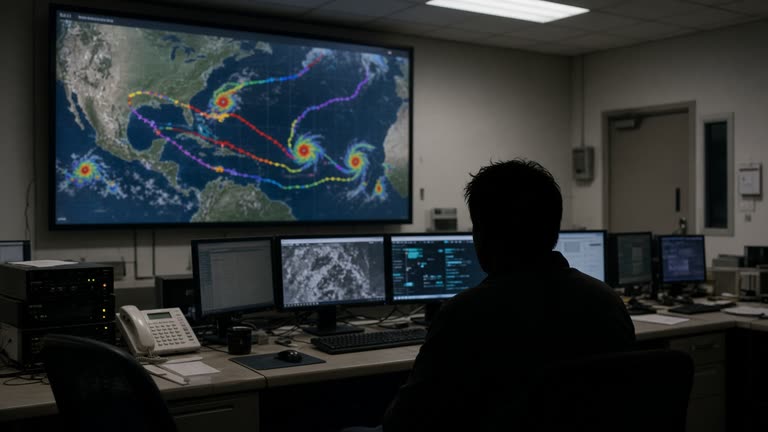
NOAA’s Climate Prediction Center nudged its Atlantic hurricane outlook upward after a September cluster of tropical waves off West Africa produced three named storms in ten days, raising ACE expectations without changing the core La Niña–linked shear forecast.
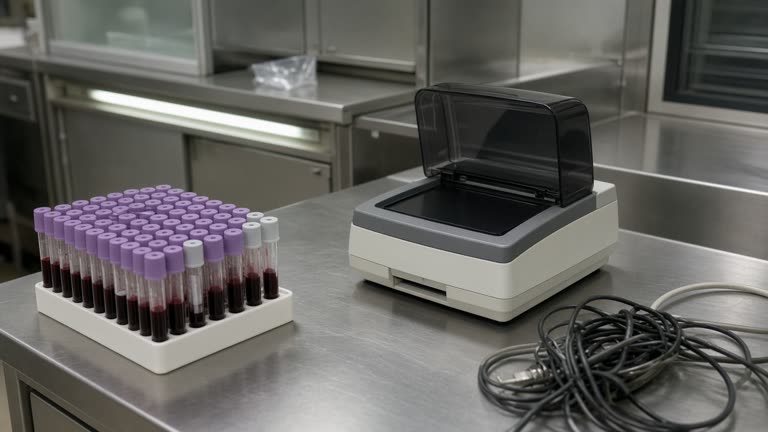
Johns Hopkins researchers published a six-analyte blood panel correlated with post-exertional fatigue in long COVID clinic cohorts, giving trial sponsors a reproducible endpoint without claiming diagnostic certainty for individual patients.
CWA forecasters say Mid-Autumn moon viewing should stay favorable through Sept. 26 while tropical disturbance 91W east of Guam could strengthen into Typhoon Surigae and approach Taiwan’s vicinity by Sept. 28.
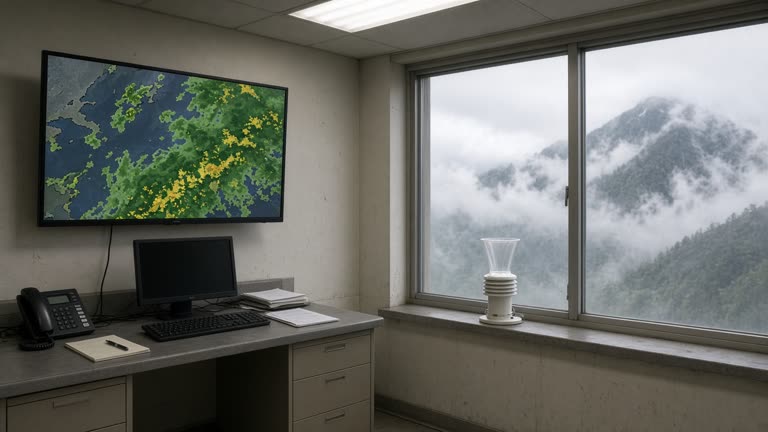
JMA refreshed Typhoon Dujuan rainband forecasts on Sept 21, warning that linear bands could dump month-scale rain totals on Kanto as landslide emergencies persisted in Chiba and the Izu Islands.
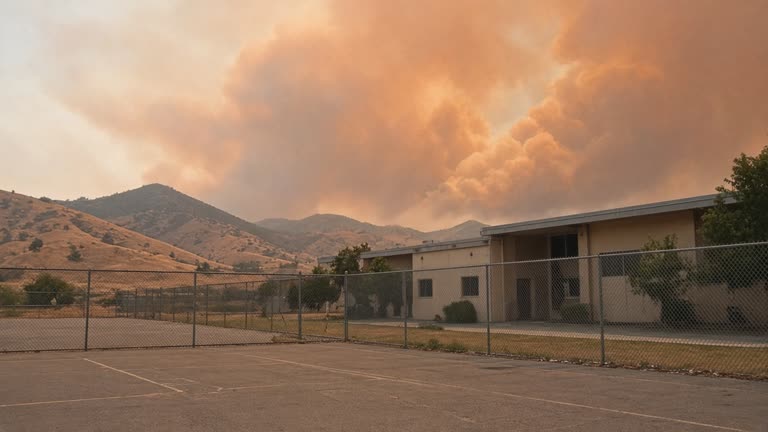
Stanford’s ECHO lab released daily smoke-attributable PM2.5 estimates aggregated to California school districts through 2023, giving districts a common baseline for closing schools and tuning ventilation during fire season.
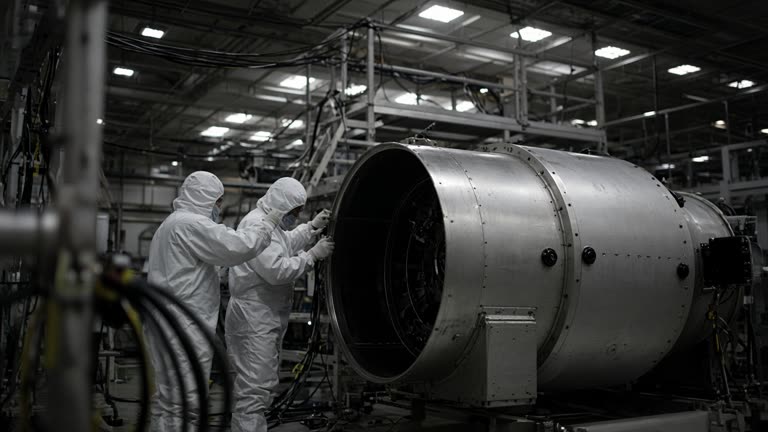
Three weeks after launch aboard a Falcon Heavy, NASA has powered up Roman’s 300-megapixel Wide Field Instrument and begun calibrations on the observatory’s million-mile cruise to the second Lagrange point, keeping first science images on track for early 2027.