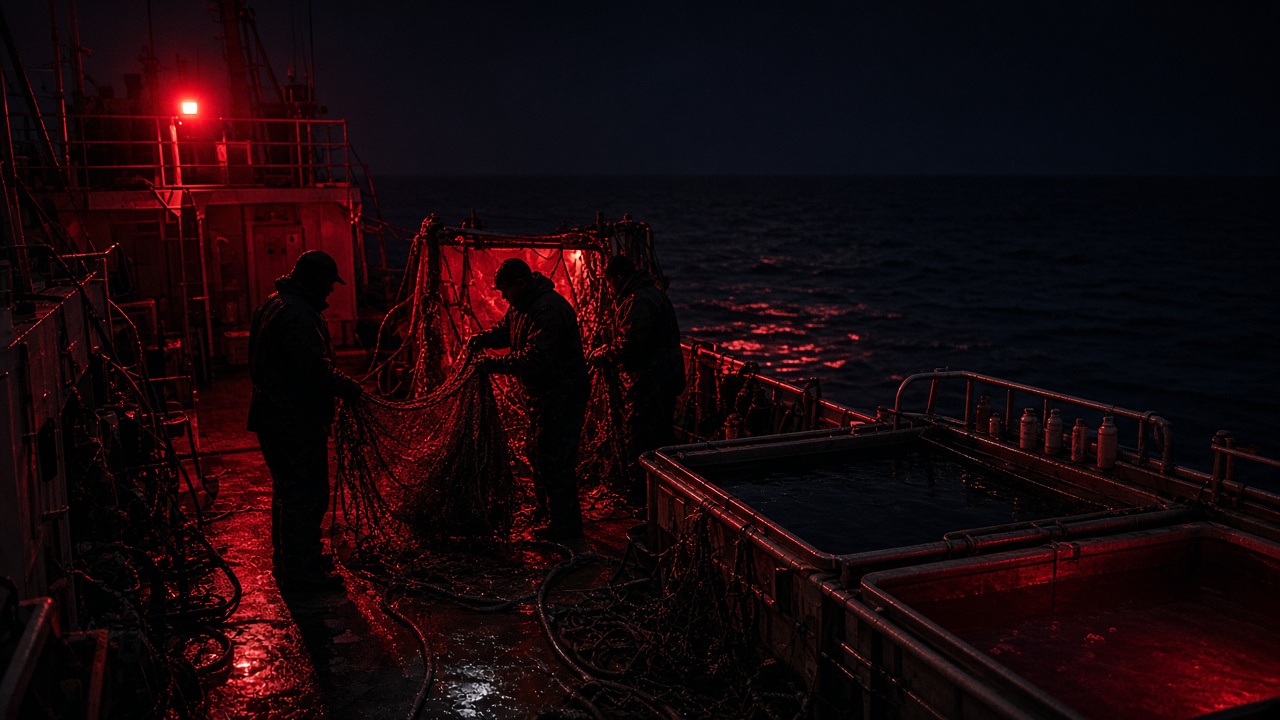
A Murdoch University-led team has banked coral spawn collected during a synchronized breeding event at Ningaloo Reef, weeks after an early-summer marine heat pulse pushed sea-surface temperatures above long-term averages. The expedition, supported by the Australian Institute of Marine Science, froze gametes for land-based rearing experiments designed to identify genotypes that tolerate heat without losing symbiotic algae.
Spawn night under stress
Corals typically spawn after full moons when water temperatures are stable. This year a brief heatwave in late September stressed shallow bommies before the October spawning window, prompting researchers to widen sampling across depth gradients. Divers reported patchy bleaching on inshore reefs near Exmouth but healthier colonies on the outer slope where cooler water upwelled at night.
Lead scientist Dr. Priya Menon said the team shipped frozen bundles to Murdoch’s aquaculture labs within six hours, beating the metabolic clock that usually gives spawn only a few hours to fertilize. The goal is not immediate reef restoration—outplanting remains years away—but a genetic library should bleaching return in January.
Why Ningaloo matters
Ningaloo hosts tourism economies tied to whale sharks and reef diving; repeated bleaching would hit Exmouth and Coral Bay harder than metropolitan carbon debates suggest. Western Australia’s government has funded reef monitoring but relies on university partnerships for spawn banking, a gap Menon wants closed with a dedicated cryogenic facility in Perth.
Climate models used by CSIRO project more frequent marine heatwaves along the west coast; freezing spawn now is an insurance policy akin to seed banks on land. Success will be measured by larval survival rates in heated tanks set to 1.5 degrees Celsius above current summer means.
Public impact
Tour operators were briefed to avoid anchoring on known spawn sites during collection nights. Visitors will not see immediate changes, but the data feed into park management plans that set mooring limits when temperature alerts trigger. If the banked gametes produce resilient juveniles, pilot outplanting could begin on degraded nearshore patches as early as 2028—provided funding survives the next federal budget cycle.
Tourism and stewardship
Exmouth dive operators volunteered boats for nighttime spawn surveys, trading fuel costs for early access to reef health briefings that shape their insurance premiums. Eco-certification schemes may soon require proof that operators avoided anchor damage during spawning—a marketing edge when Chinese group tours return at scale.
Western Australian fisheries scientists will compare spawn viability with records from the 2022 heatwave, searching for genetic markers linked to thermal tolerance. If correlations appear, policymakers could prioritise protecting those reefs from dredging proposals tied to port expansions.
Federal Environment Department officials said cryogenic banking does not replace emissions cuts but buys time for reefs while decarbonisation lags. Menon’s team will present preliminary larval data at a Perth symposium in December, open to traditional owners who co-manage parts of Ningaloo.