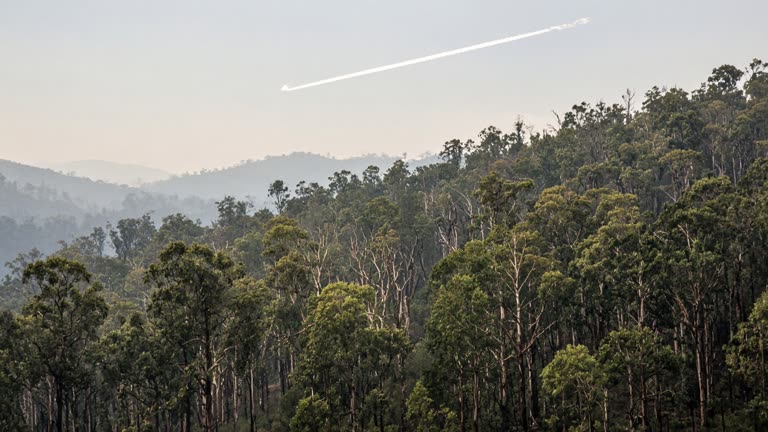
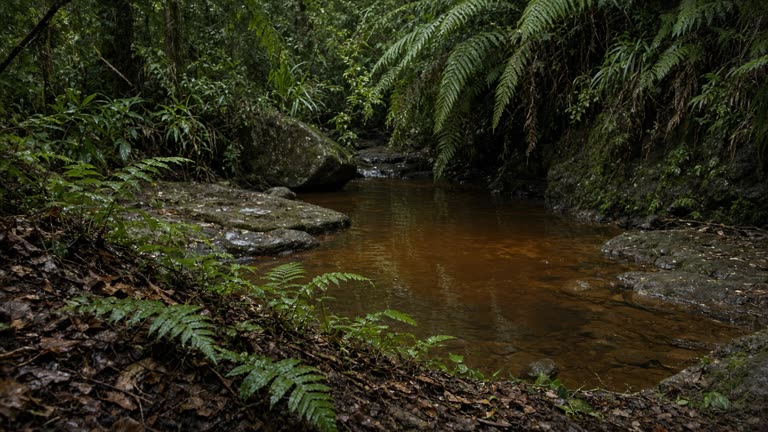
CSIRO’s National Bushfire Intelligence Capability published Terrain Release 2.0, merging LiDAR and satellite elevation data to improve fire-behaviour modelling in dense forests where canopy errors once skewed risk maps.
UNSW Sydney and UtmoLight certified a 23.5 percent stabilised efficiency on a 676-square-centimetre perovskite submodule, beating the prior large-area record by 0.6 points.
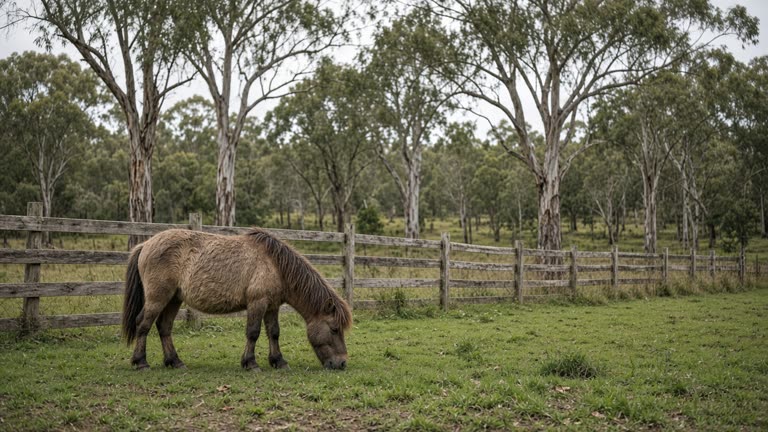
CSIRO scientists identified a distinct Hendra virus genotype in a Rockhampton pony, raising questions about flying-fox spillover routes in central Queensland.
CSIRO scientists identified a divergent Hendra virus genotype in a Rockhampton pony paddock sample, widening surveillance after HeV-g2 spillovers in southern states.
Melbourne’s Florey Institute and Monash University built rice-grain-sized organoids that show myelin damage and repair in multiple sclerosis, offering a screen for remyelination drugs in near real time.
A magnitude-4.8 quake at 10-kilometre depth shook South Gippsland just after 2 a.m., drawing nearly 15,000 felt reports before a smaller aftershock followed.
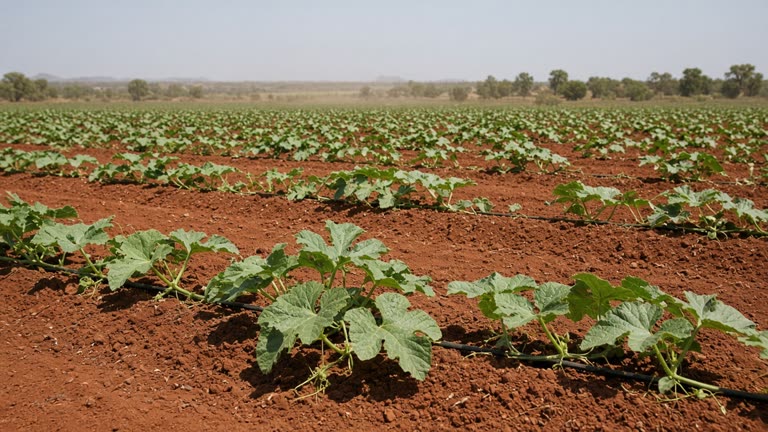
Biosecurity officers confirmed Monosporascus cannonballus on a Katherine melon farm, the first Australian detection of the root-rot pathogen that can wipe out cucurbit crops within a season.
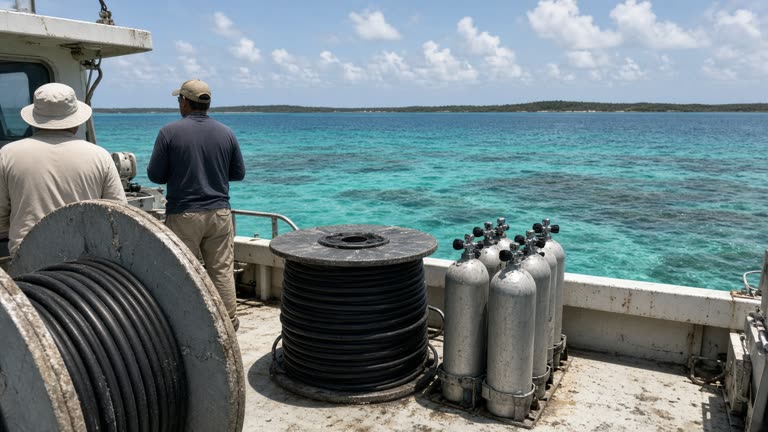
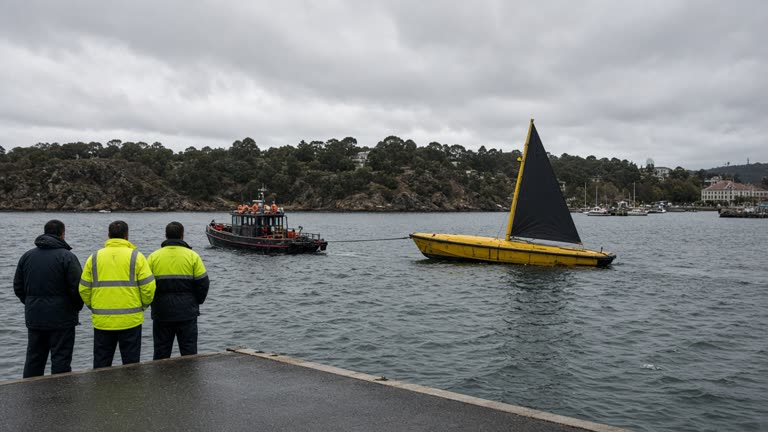
The first Saildrone Explorer left CSIRO Hobart on a five-year COCO2 mission to measure Southern Ocean carbon uptake, with three more uncrewed vessels to follow each quarter.
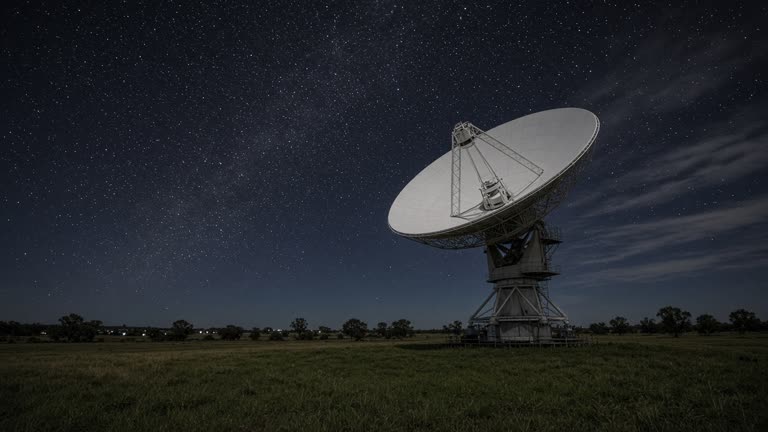
CSIRO astronomers logged a millisecond pulsar glitch during a magnetar outburst using the Parkes Murriyang dish, tightening models of neutron-star crust coupling.
AFAC’s spring bushfire outlook flags heavy grass fuels in the Top End and Gippsland as El Niño warmth builds, even as national dam levels remain relatively high.
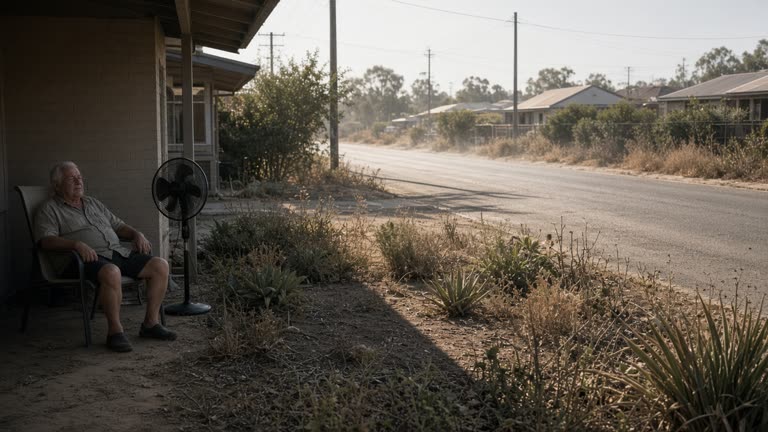
A Climate Impact Lab mortality estimate cited in ABC reporting puts about 260 additional heat-related deaths on Australia’s summer ledger if a super El Niño develops. The number is a projection, not a body count — and its usefulness depends on how clearly the methods, baselines and uncertainties are stated.
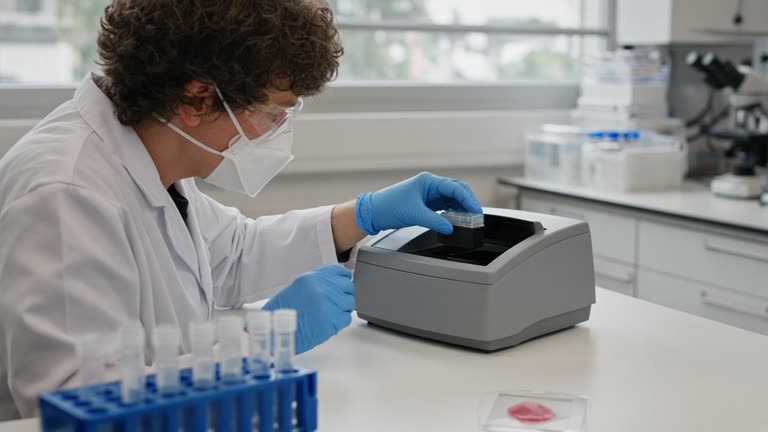
A Garvan-led Nature Communications cohort used long-read nanopore sequencing to diagnose more than a third of previously unsolved inherited muscle disease cases in 53 Australians, with NSW Health Pathology rollout flagged for about two years.
Macquarie-led fieldwork in Royal National Park finds heavier chytrid loads in leaf-green tree frogs downstream of Metropolitan Mine wastewater, while Peabody says any causal link in the Journal of Hazardous Materials Advances paper remains speculative.
The Bureau of Meteorology issued dry lightning warnings across the Murray–Darling Basin as an El Niño watch persisted, with fire agencies pre-positioning crews along the Darling River corridor where grass fuels cured early.
CSIRO and the Great Barrier Reef Marine Park Authority released aerial survey maps showing central Great Barrier Reef bleaching hotspots building before summer, with heat stress concentrated on mid-shelf reefs that escaped the worst of last year’s southern pulse.
Macquarie University opened its Brain Institute and Clinic on Monday, collocating MND and Parkinson’s trials with MQ Health neurology services at its Sydney campus hospital precinct.
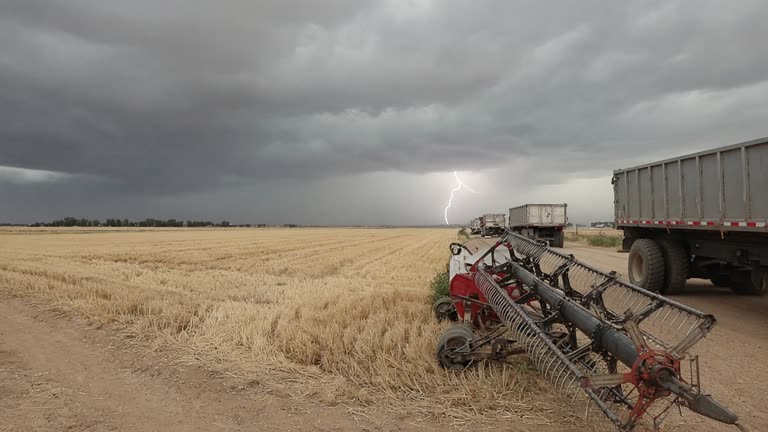
Curtin University researchers published a Wheatbelt lightning-cluster atlas correlated with harvest convoy routes, giving CBH and shire councils a map-based tool to pause header movements when storm cells align with dry fuel loads.
Bureau of Meteorology oceanographers linked a Tasman Sea heat blob to unusual southern rock lobster larval drift toward northern New South Wales traps, using ARGO float temperatures and DPI tagging data to warn fishers that settlement maps may shift this season.
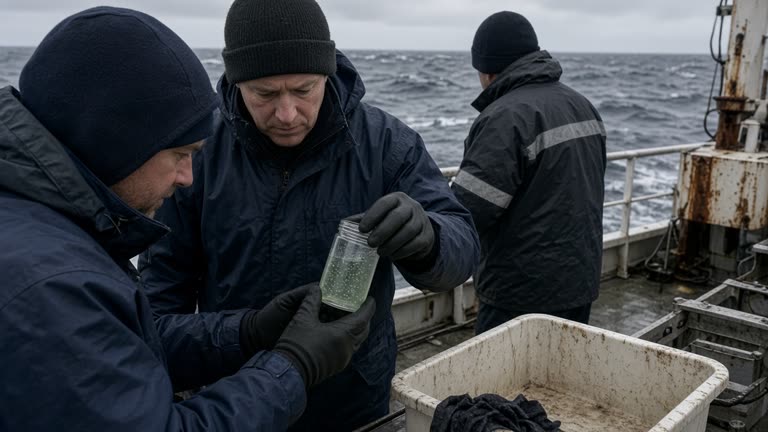
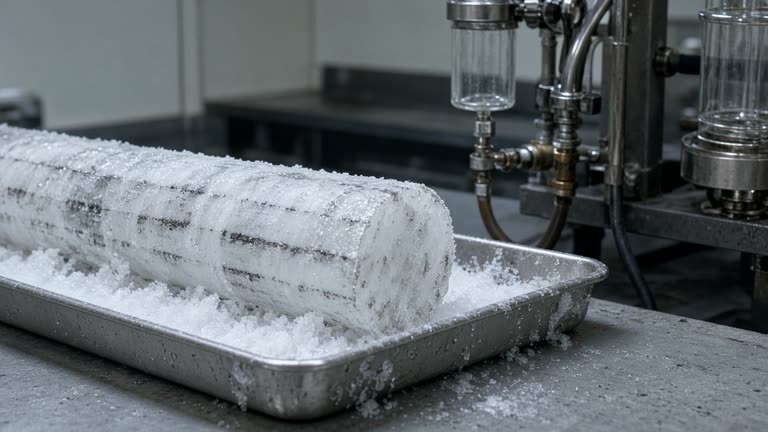
CSIRO and Antarctic colleagues published updated Law Dome ice-core methane records that correlate twentieth-century spikes with Southern Ocean shipping lanes, using sea-freight sample handling to protect radiocarbon signatures from cosmic-ray contamination.