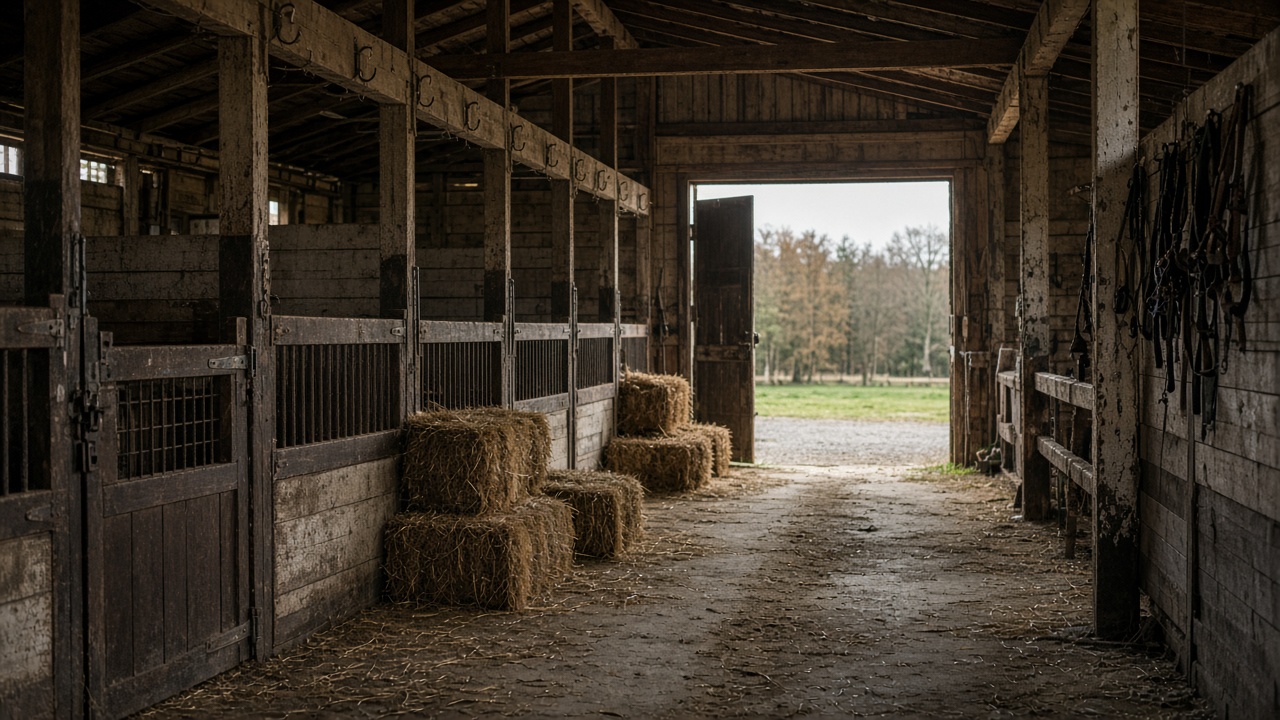
CSIRO’s Australian Centre for Disease Preparedness confirmed on Tuesday a novel Hendra virus genotype in a Rockhampton pony, the first central Queensland detection outside previously mapped coastal flying-fox corridors this decade.
Sample and sequencing
Biosecurity Queensland veterinarians submitted nasal swabs after the pony showed neurological symptoms and was euthanised on a property west of the city. Genome sequencing at Geelong revealed mutations in the surface glycoprotein distinct from strains that killed horses near Brisbane in 2024, though pathogenicity tests in mice are still running.
Dr Deborah Middleton, who leads CSIRO’s Hendra program, said the find does not yet prove wider host jumps but “warrants expanded surveillance in bat roosts along the Fitzroy River basin.” Flying foxes are the natural reservoir; horses catch the virus from exposure to bat urine or feed contaminated in shared paddocks.
Human health protocols
Queensland Health assessed four people who had close contact with the pony, offering monoclonal antibody prophylaxis to two with high-risk exposures. No human cases have been reported. Hendra remains rare but kills roughly half of confirmed human infections when symptomatic disease develops.
Local equine vets urged vaccination, which has been available for horses for more than a decade yet uptake stalls in hobby farms where cost and appointment logistics bite. The new genotype will be included in challenge studies to see whether existing vaccines still neutralise the virus.
Ecological context
Researchers suspect habitat fragmentation pushed little red flying foxes inland during a dry winter, overlapping with hobby horse properties that rarely saw Hendra risk maps flagged red. Climate models project hotter springs for central Queensland, potentially expanding overlap seasons.
Middleton said coordinated bat and horse sampling—unpopular with some landholders—remains the fastest way to detect shifts before spillover clusters grow.
Industry response
Racing Queensland issued a statewide advisory reminding trainers to keep feed bins covered and to isolate sick animals pending tests. Export regulators notified trading partners that monitor Australian equine products, though no movement bans apply because Hendra is not a foodborne disease.
For scientists, the Rockhampton genotype is a datapoint in a larger mosaic of bat-borne viruses under study after COVID-19 focused funding on pandemic preparedness. For horse owners, it is a practical reminder that maps drawn on past outbreaks may not predict the next paddock infection.
Vaccine supply
Zoetis, which manufactures the equine Hendra vaccine, said it can supply additional doses to Queensland vets within two weeks if demand spikes. Cold-chain requirements complicate rural distribution, so CSIRO is mapping mobile vaccination clinics with local councils.
Wildlife carers asked for funding to test flying fox colonies without culling, emphasising that bats are protected native species essential for pollination.
What happens next
Officials and executives contacted by InfoHandle said they would publish further detail when audits complete, stressing that early figures can shift as more data arrives from registries, hospitals or trading desks. Analysts cautioned against treating a single day’s price move or one regulatory letter as proof of a lasting trend.
Consumer groups urged households to read updated product disclosures and to lodge complaints with regulators when timelines slip. For investors, the episode fits a broader pattern of tighter oversight across Australian finance, energy and health markets as Parliament returns for spring sittings.
State and federal agencies promised coordinated messaging so businesses do not face conflicting guidance. Whether that cooperation holds through the election cycle will determine how quickly confidence recovers in the sectors affected.
Local media will track implementation milestones weekly; our desk will update readers if material corrections or retractions are issued by primary sources.