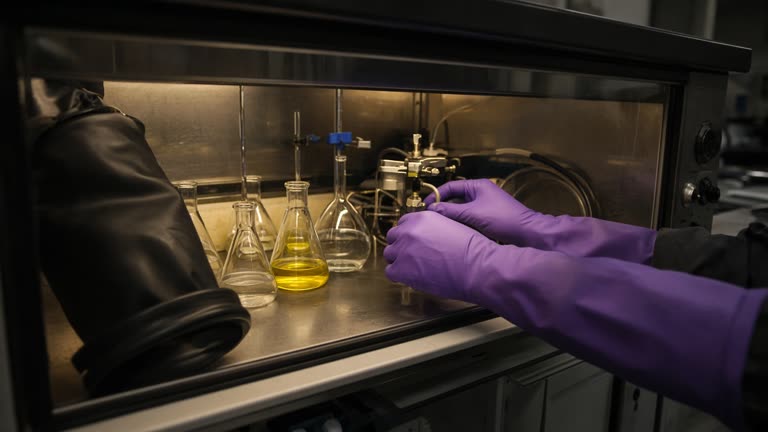
University of Oxford researchers used X-ray lasers to watch isopenicillin N synthase build penicillin's beta-lactam ring, reporting fleeting intermediates in Nature Catalysis.
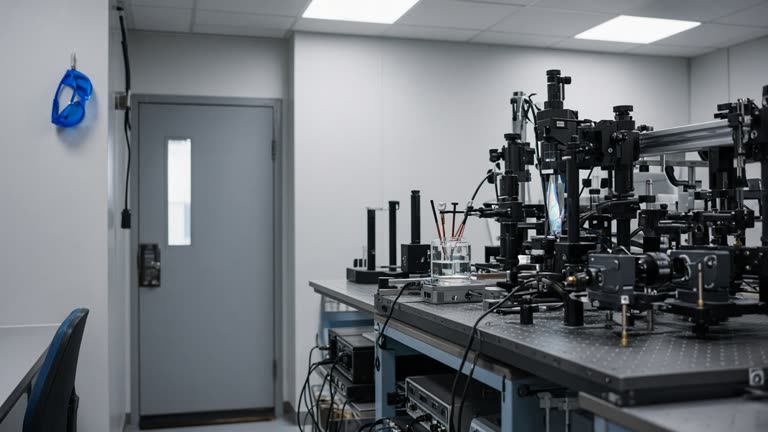
Imperial College researchers measured oxygen molecule by molecule during solar water splitting and found hematite diverts charge into side reactions until efficiency jumps to about 80 percent.
University of Reading scientists reported that violet-blue photodynamic treatment killed all 64 Campylobacter strains tested, including antibiotic-resistant types found on UK poultry.
UK Research and Innovation is backing nine dementia diagnostic technologies with up to £80 million, aiming to cut waits so 92% of referrals receive a diagnosis within 18 weeks.
University of Manchester chemists helped isolate the first stable uranium–carbon triple bond, a Nature Chemistry result that opens new actinide research paths.
Durham University's cosmology group used early Vera Rubin Observatory commissioning data to tighten bounds on dark-energy drift, a result that matters for how UK astronomers prioritise time on the Chilean survey telescope.
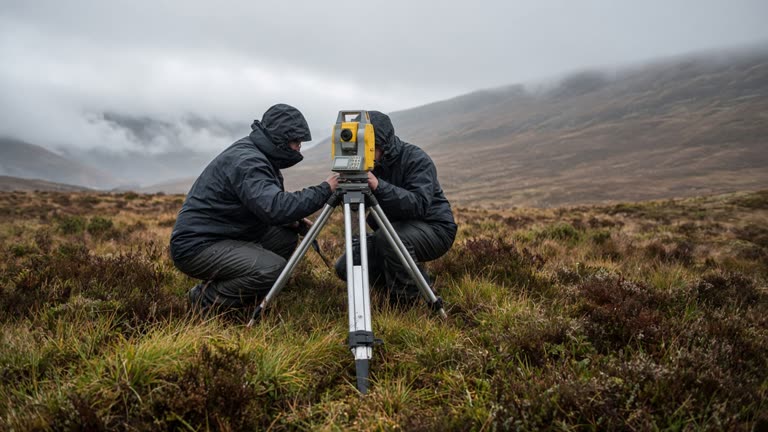
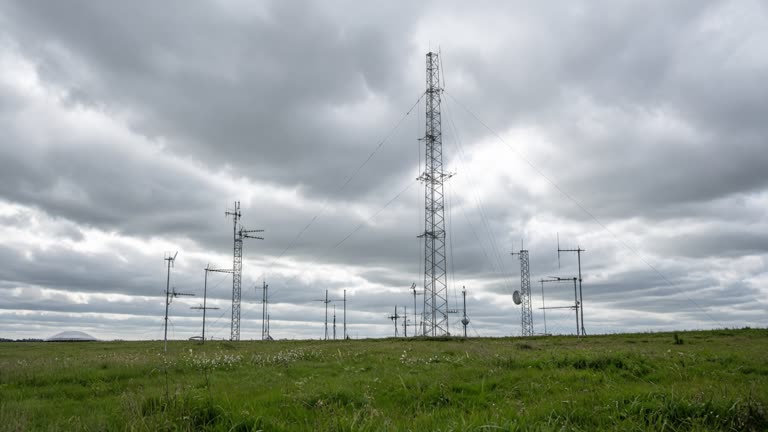
Royal Observatory Edinburgh engineers tested a portable gravimeter array on Pentland Moor ahead of a 2027 sensing mission to map subsurface mass shifts.
A Royal Observatory Edinburgh-led team published a dark-sky site map alongside CPRE’s annual light-pollution survey, highlighting how LED street conversions brightened suburban horizons even as rural Scotland retains the clearest views in Britain.
University of Bristol researchers converted the high-risk APOE4 Alzheimer’s gene to APOE3 in immune cells taken from patients, a step BRACE Dementia Research funded toward a bloodstream-delivered therapy.
Pulsar Fusion said its Sunbird fusion rocket engine is on track for a 2027 orbital demonstration after ground tests in Bletchley, as UK space firms pitch deep-space propulsion to defence and commercial launchers.
The Met Office said heavy rain moved east across England on Sunday after southeastern counties saw warm sunshine, with gusty winds ahead of a wetter week.
Saturday stays dry and bright across southern England, but an Atlantic front sweeps in for Sunday, with the Met Office flagging 15–30mm of rain widely and pulses above 60mm possible in the west and northwest.
An observational study of 19,034 patients at 134 emergency departments in England, Wales and Northern Ireland found the risk of dying within 28 days of treatment rose about one per cent for every ten-point rise in occupancy, with departments averaging 175 per cent full and a UK-wide weekly toll the authors put anywhere between 33 and 1,083 deaths.
Nine days after Vega-C flight VV30 lifted FLEX and Sentinel-3C from French Guiana, UK-built hardware from Belfast, Harwell, and RAL Space is feeding tandem vegetation and ocean data as the missions settle into orbit.
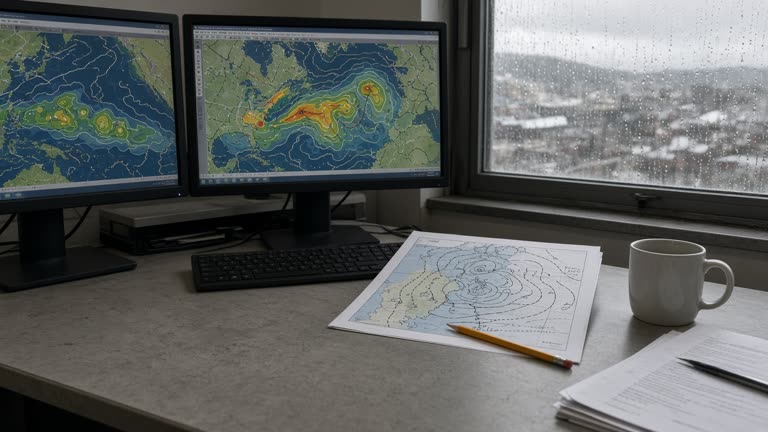
The Met Office flagged elevated early-autumn North Atlantic storm-cluster risk after sea-surface temperatures west of Ireland ran 1.8°C above the 1991–2020 baseline, feeding energy into systems that could bring named storms to UK coasts within two weeks.
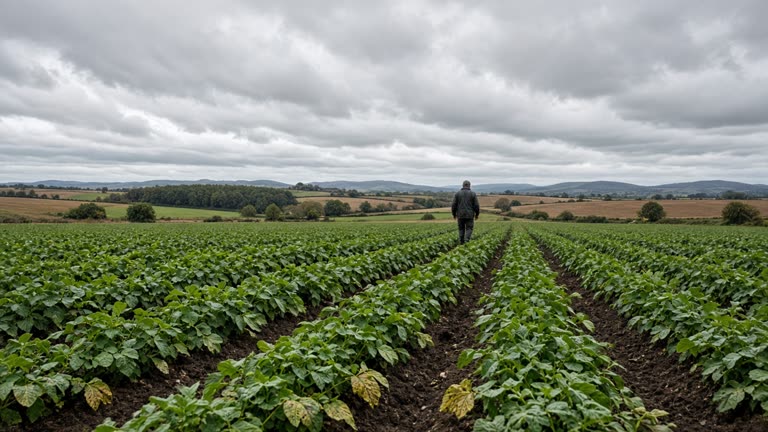
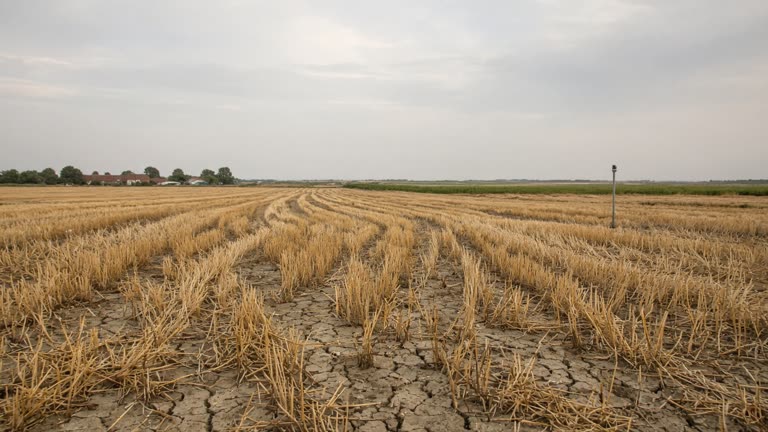
The Met Office pushed updated September soil-moisture models after East Anglia logged one of its driest late-summer spells in a decade, giving farmers and water planners sub-county dryness indices tied to EA abstraction stress.
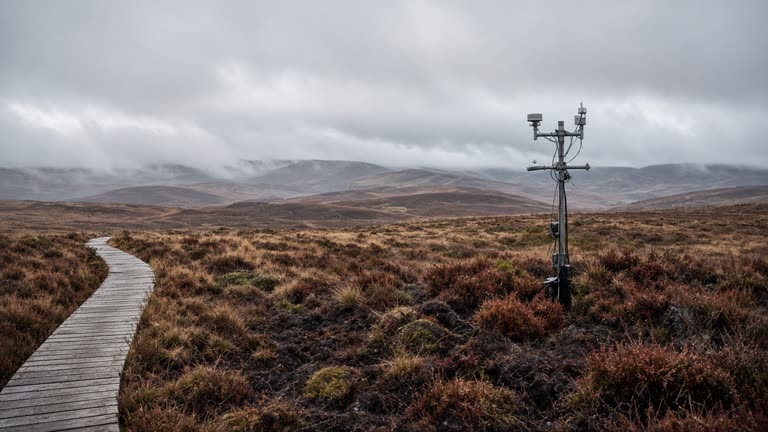
A NERC cryosphere-linked field team posted open Pennine peat bog carbon flux readings taken after September’s heat dome, showing daytime CO₂ release spikes that plateaued only when night temperatures dropped below 12°C.