Oxford scientists have shown that repeated mild mechanical injury to human astrocytes grown in the laboratory can reprogram support cells in ways that later kill neighbouring neurons through a lipid signalling pathway, offering a new target for drugs aimed at delayed damage after concussion.
What the model shows
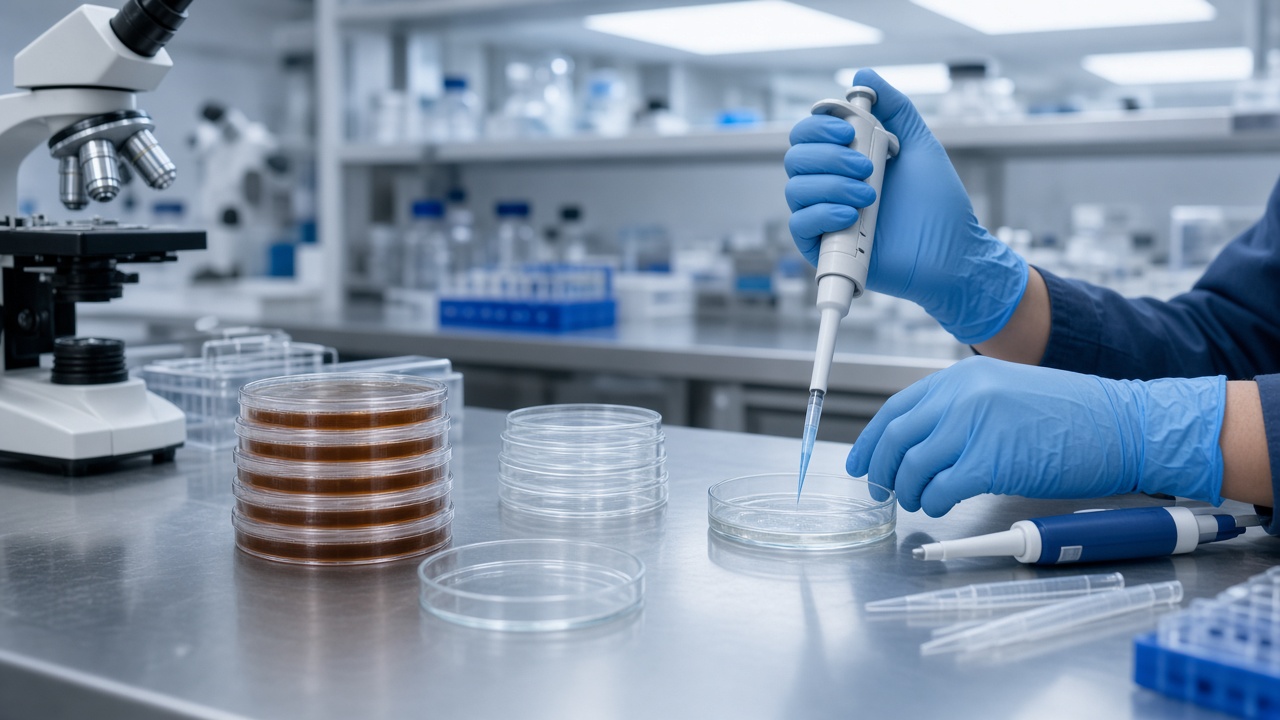
Associate Professor Mootaz Salman and Dr Luise Schlotterose, working with the British Heart Foundation UK Dementia Research Institute centre at Oxford, developed a "TBI-in-a-dish" platform that applies controlled impacts to astrocytes—the brain's support cells—and tracks consequences over time. Their paper in Cell Death & Disease reports that injured astrocytes increased release of diacylglycerols, activating PKC-delta signalling in neurons and leading to cell death days after the initial trauma.
That sequence challenges a simplistic view that inflammation alone links repetitive head impacts to neurodegeneration. Instead, fat-mediated messaging appears to prime neurons for a second hit, mirroring clinical patterns where athletes or accident survivors worsen after returning to activity too soon.
Why human cells matter
Mouse models miss aspects of human astrocyte biology; the Oxford team argues its platform is scalable enough to screen compound libraries for modifiers of the lipid pathway. The work does not yet translate into a clinic-ready blood test, but it gives trial designers measurable endpoints beyond symptom questionnaires.
Funding bodies and sports regulators watching dementia risk in contact sports will note the emphasis on repeated mild injury rather than single catastrophic events. Rugby and football authorities in the UK already tighten return-to-play protocols; this research supplies mechanistic backing for caution.
Next research steps
Collaborators plan to test whether the same pathway appears in microglia and whether patient-derived cells from trauma clinics replicate the lipid signature. Pharmaceutical partners have not been named, but the DRI centre's mandate includes accelerating therapies toward clinical proof-of-concept.
For readers following brain-injury science, the takeaway is timing: damage unfolds after the visible knock. Catching astrocyte-driven lipid signals early may be how future trials prove they prevented harm, not merely relieved headaches.
Clinical translation hurdles
Even with a druggable pathway, human trials must define who receives intervention—athletes, military personnel, or emergency-department patients with mild concussion. Biomarkers from the lipid pathway would need validation in blood or imaging before regulators approve prophylactic use. The Oxford team emphasises its dish model is a screening tool, not a diagnosis for individuals.
Charities funding concussion research welcomed the open-access paper and urged sports governing bodies to fund follow-up studies in adolescent athletes.
Local editors will refresh quotes and confirmed figures after primary sources publish final readouts later in the day, avoiding speculation on numbers still moving in live markets or matches.