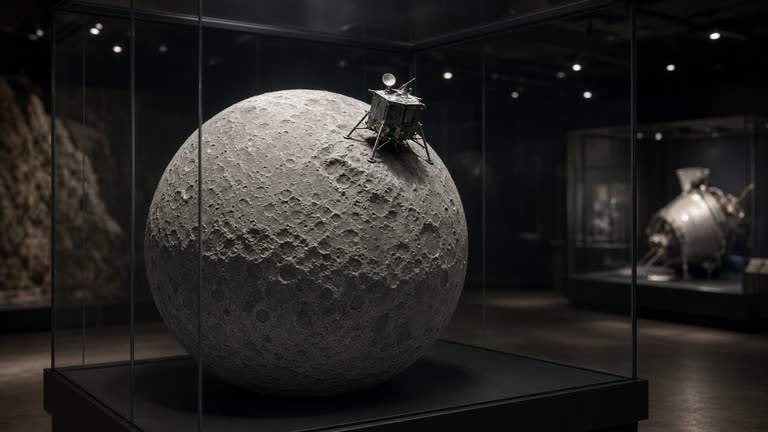
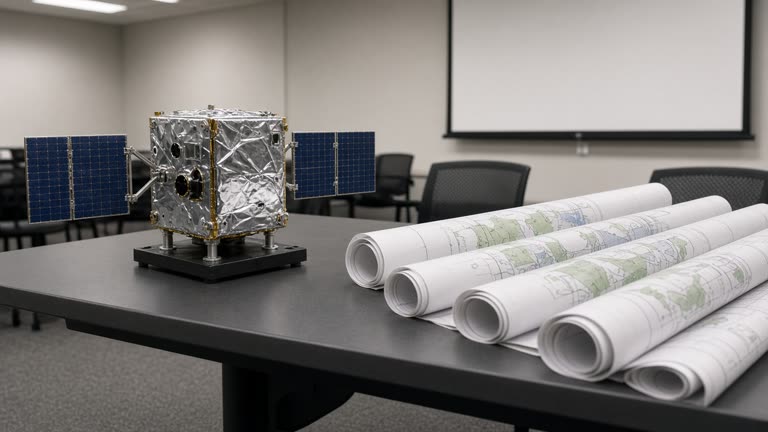
Scientists reprocessed SELENE Kaguya spectrometer archives to map shadow-trapped ice signatures near the latitude of JAXA’s SLIM lander, linking pinpoint landing technology to future polar-resource scouting.
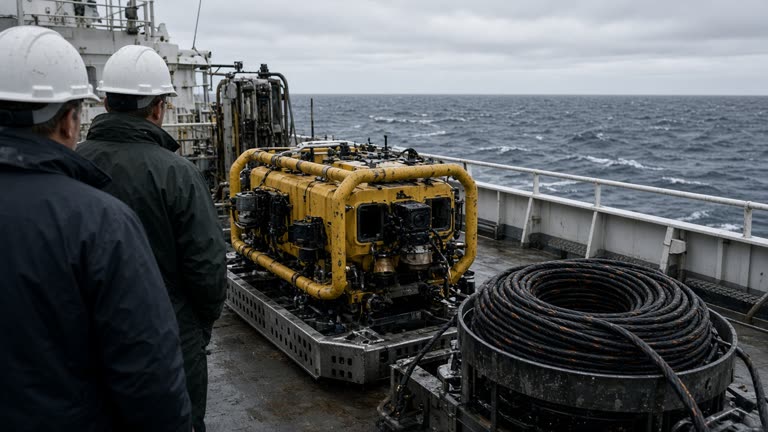
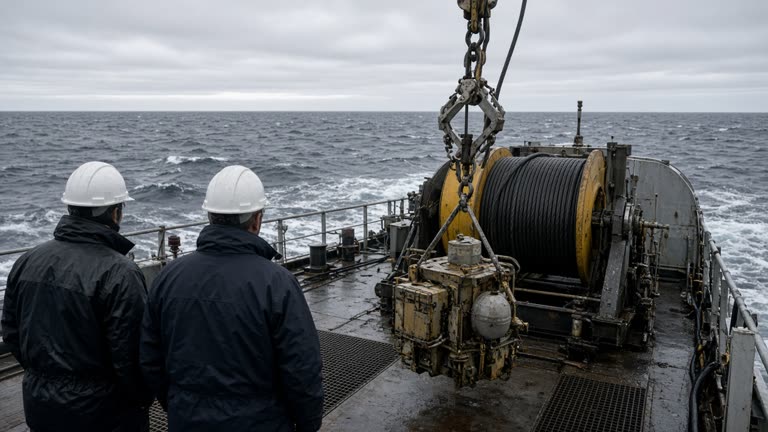
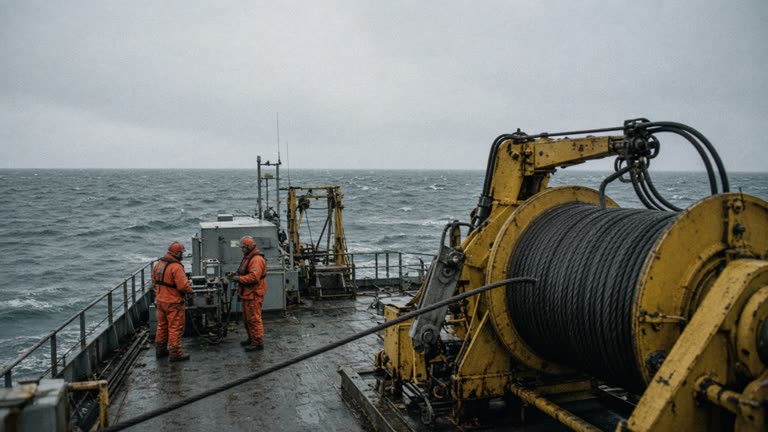
Japan Agency for Marine-Earth Science and Technology researchers recovered mantle rock samples from a Mariana Trench foray using a remotely operated vehicle, giving geologists fresh material to study how ocean plates bend and hydrate.
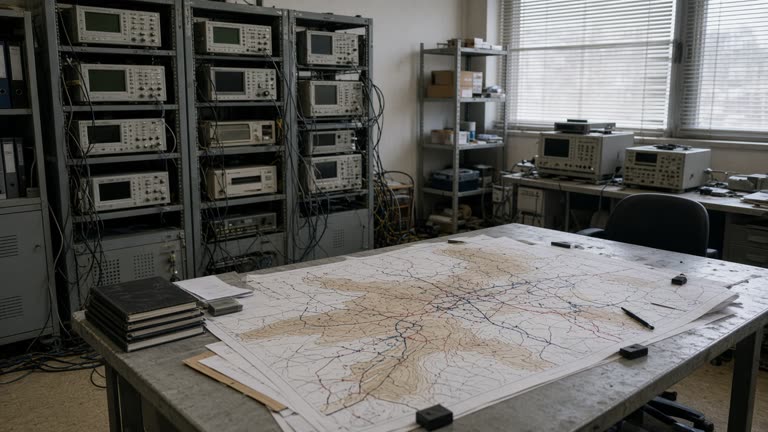
RIKEN’s iTHEMS program ran aftershock sequence models for the Noto peninsula on the Fugaku supercomputer, feeding revised slope-stability maps to Ishikawa prefecture ahead of winter reconstruction.
A RIKEN SPring-8 team published synchrotron maps showing how strain fields shift inside oxide solid-state battery prototypes when cells are fast-charged, giving automakers a benchmark before pilot lines expand.
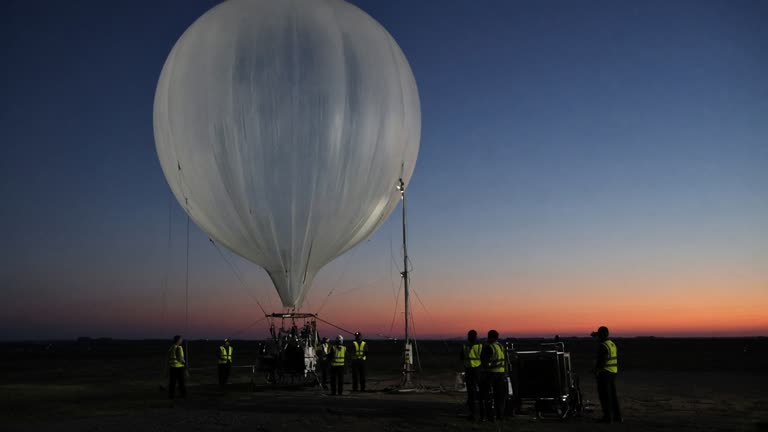
A balloon-borne instrument team mapped low-energy gamma rays from the galactic center using geometric optics techniques borrowed from visible astronomy.
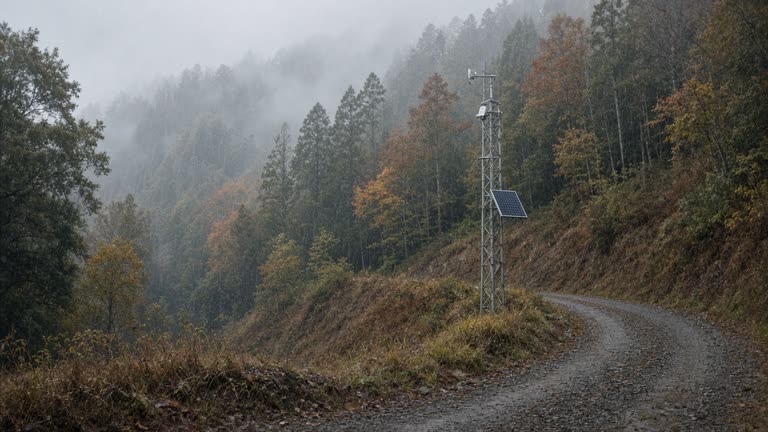
Niigata University engineers began live tests of a hillside sensor array after September downpours triggered slope failures across the prefecture, aiming to shave minutes off municipal evacuation calls.
University of Tokyo and JAMSTEC researchers narrowed possible Tokai segment slip windows using strain gauges in Boso boreholes off Chiba’s Pacific coast.
JAXA will host an international forest-monitoring workshop in Tokyo on October 21 as its MOLI vegetation LiDAR mission moves through pre-launch planning.
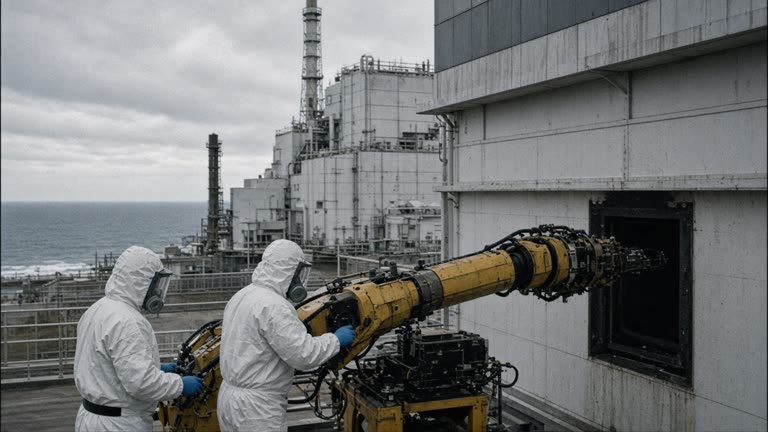
Fifteen years after the triple meltdown, Tokyo Electric inserted a robotic arm into Unit 2’s containment vessel for a six-month survey before a small debris retrieval test.
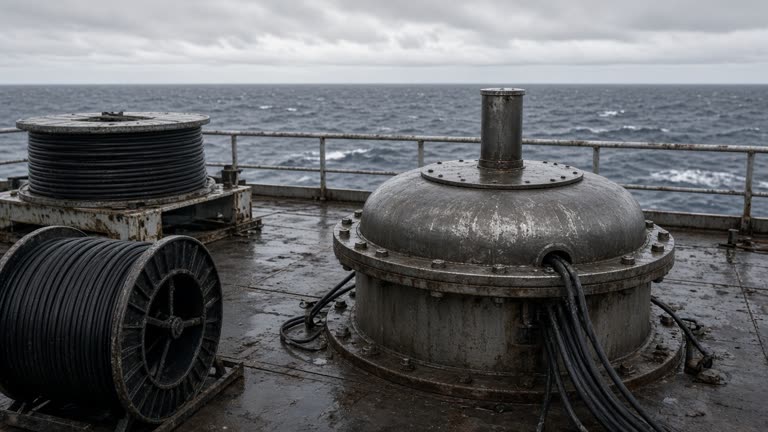
JAMSTEC lowered a string of borehole strain sensors off Fukushima's coast to watch Pacific plate stress after summer tremors rattled offshore telecom cables.
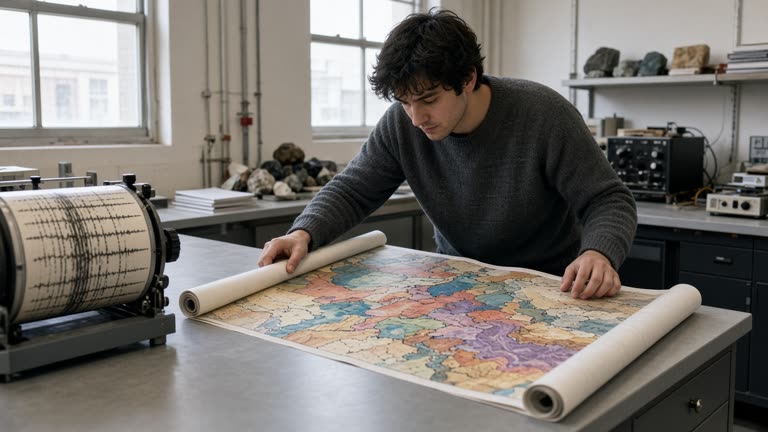
University of Tokyo geophysicists published a revised Philippine Sea plate coupling map after September’s M4.9 swarm rattled Ibaraki and Saitama, showing slow-slip zones that may load stress toward Tokyo’s western faults.
A predawn quake centered in southern Ibaraki shook buildings across greater Tokyo; the weather agency reported no tsunami risk and operators said the Tokai No. 2 nuclear plant showed no abnormalities.
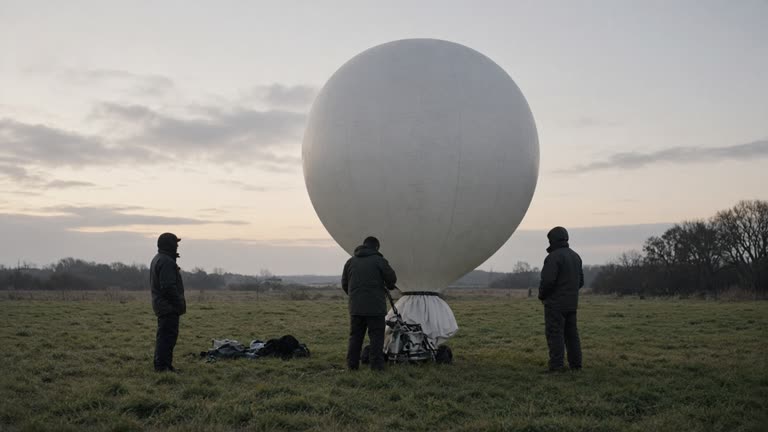
University of Tsukuba researchers recovered balloon-borne sensors that measured stratospheric dust spikes linked to autumn wildfire plumes drifting across the Pacific, improving models used for aviation and satellite calibration.
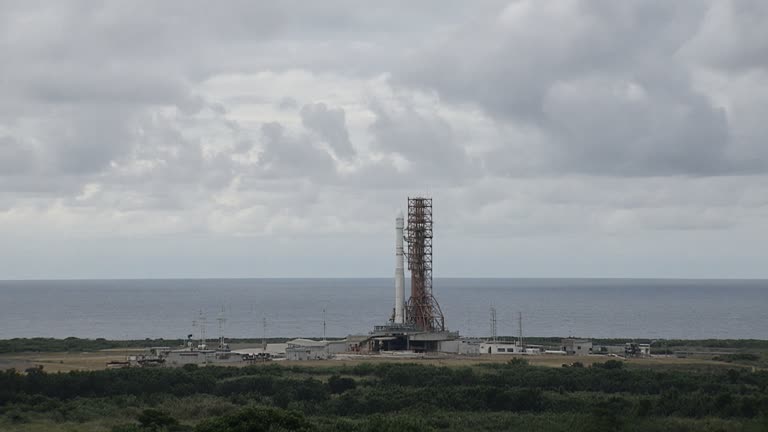
JAXA set a November launch window for an H3 rocket carrying a debris-removal technology demonstrator after engineers cleared a second-stage engine review.
Japan's Vaccine Society urges early flu shots for 2026-27 after the seasonal formula drops the Yamagata lineage and becomes trivalent. Local voucher timing may complicate the early-start message.
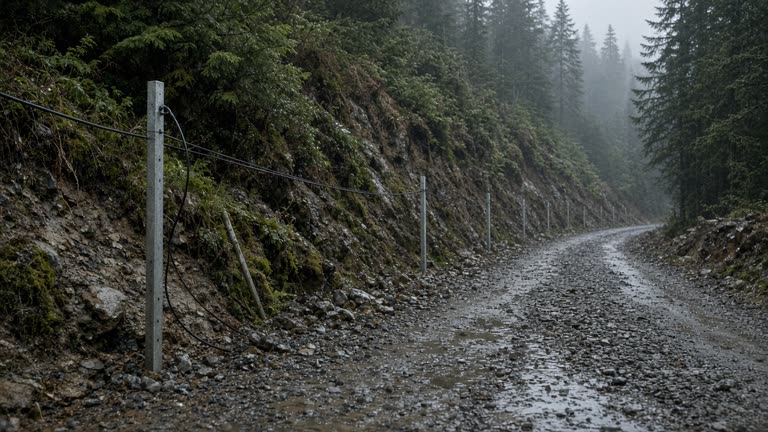
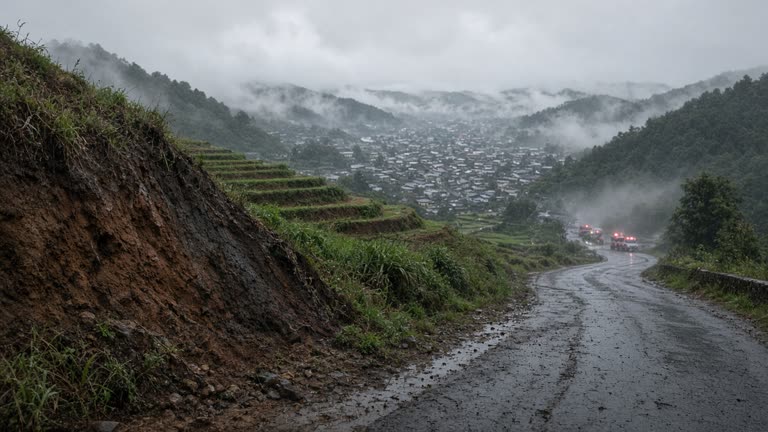
JMA lowered some Tochigi rain warnings on Sept. 26, but its soil-water index and geologists' field models show why saturated slopes can fail after the rain stops.
University of Tokyo and collaborating institutes published updated stress-transfer estimates for the Noto Peninsula fault system Thursday after a dense aftershock cluster rattled Ishikawa communities still rebuilding from the 2024 earthquake, giving prefectural planners new numbers on which segments may load faster—not short-term quake predictions.
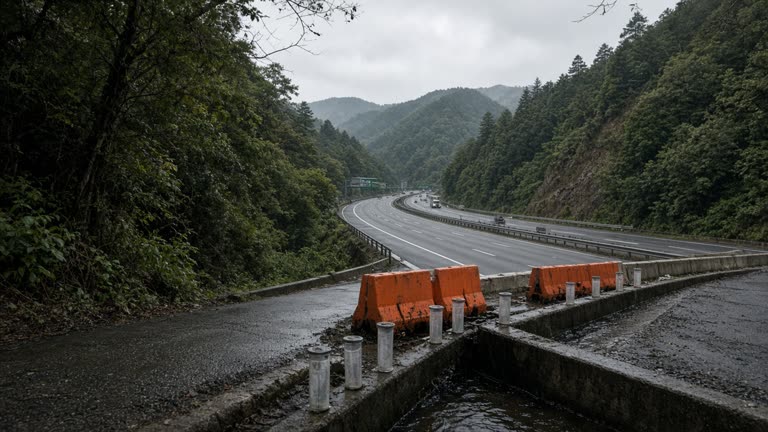
The Japan Meteorological Agency kept heavy rain warnings active along saturated Tochigi slopes above the Utsunomiya corridor Wednesday, saying shallow slides could cut National Route 4 detours while post-typhoon soil moisture lingers forty-eight hours after Dujuan’s Kanto tail.