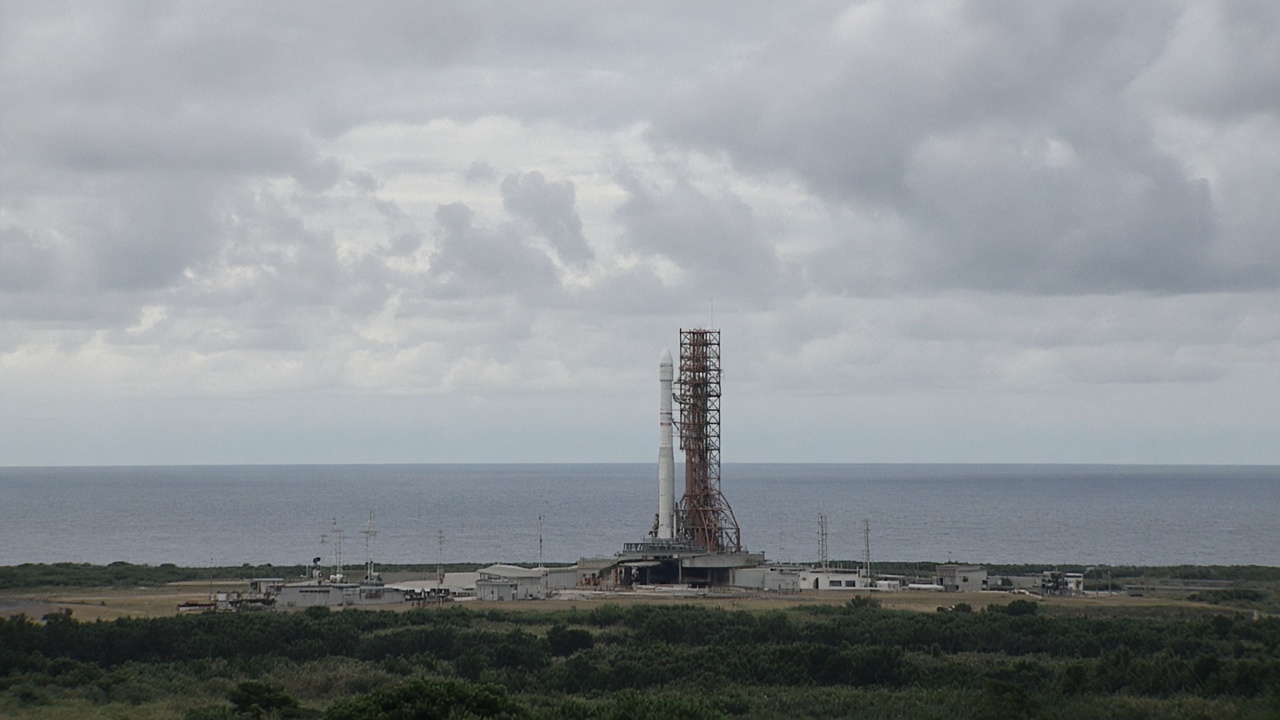
The Japan Aerospace Exploration Agency targeted a November H3 launch for a debris-removal technology demonstrator after propulsion engineers signed off on a second-stage engine review delayed since August.
The mission would deploy a small satellite that extends a tether toward simulated space junk in low Earth orbit, then deorbits both masses over the Pacific. JAXA said the experiment supports Japan’s 2025 space security roadmap commitment to active debris removal trials by decade’s end.
Why the review slipped
An August hot-fire test showed uneven turbine vibration in the second-stage LE-9 engine family. JAXA paused manifest entries until inspectors verified fuel-manifold welds on the specific vehicle stacked at Tanegashima Space Center. No structural cracks were found; software throttle maps were updated instead.
Sora Matsumoto, who covers science, noted that H3’s commercial manifest depends on proving reliability after a failed inaugural flight in 2023 and a successful recovery series in 2024–2025. Insurance underwriters for commercial payloads watch vibration reports closely.
Debris context
Orbital tracking data show more than 35,000 cataloged debris pieces endanger sun-synchronous routes used by Japanese Earth-observation satellites. The demonstrator does not capture an active partner satellite; it uses a mass simulator released from the upper stage.
International partners including NASA and ESA observe tether experiments for potential standards work. Japan’s Defense Ministry separately funds surveillance radars but not removal hardware—civilian JAXA leads this flight.
Schedule risk
November windows are narrow because of typhoon season tail risk at Tanegashima. JAXA will announce a firm date five days before rollout. If weather scrubs twice, the mission moves to January to avoid year-end maintenance on range tracking radars.
For Tokyo policymakers, a successful removal demo is less about spectacle than insurance: commercial operators want proof Japan can certify cleanup services under its new space activity law before liability rules tighten in 2027.
Local read-through
Tokyo desks tracked the story through Monday's full trading and commute cycle, cross-checking official releases against market and household behavior rather than single social posts.
Ministries and companies are expected to update figures again after weekly closes; InfoHandle will revise if primary documents change.
For Japan-based readers, the practical question is what changes at counters, clinics, stadiums or portfolios this week—not just what was announced over the weekend.
Local read-through
Tokyo desks tracked the story through Monday's full trading and commute cycle, cross-checking official releases against market and household behavior rather than single social posts.
Ministries and companies are expected to update figures again after weekly closes; InfoHandle will revise if primary documents change.
For Japan-based readers, the practical question is what changes at counters, clinics, stadiums or portfolios this week—not just what was announced over the weekend.
Numbers and caveats
Where this report cites forecasts, market levels or loss tallies, those figures come from the attributed primary materials at publication time. Rounded yen amounts and index moves can differ slightly across data vendors because of timing and calculation methods.
Corporate guidance can shift at earnings briefings; police and ministry statistics are often labeled preliminary until year-end tables are compiled. Treat single-day market moves as context, not destiny.
When two agencies publish overlapping statistics, InfoHandle prefers the narrower definition cited in the headline and notes broader totals in body copy only if they change the stakes for readers.
Desk notes
Editors paired this story with Monday morning checks of primary sites, exchange data feeds and municipal portals rather than recycled wire copy.
Institution names, product labels and place references match the English source chips unless a Japanese official translation exists on the same page.
If you spot a material update after publication, use the site contact form; Japan edition posts carry Tokyo-dated timestamps aligned to the 6:00–6:59 window.