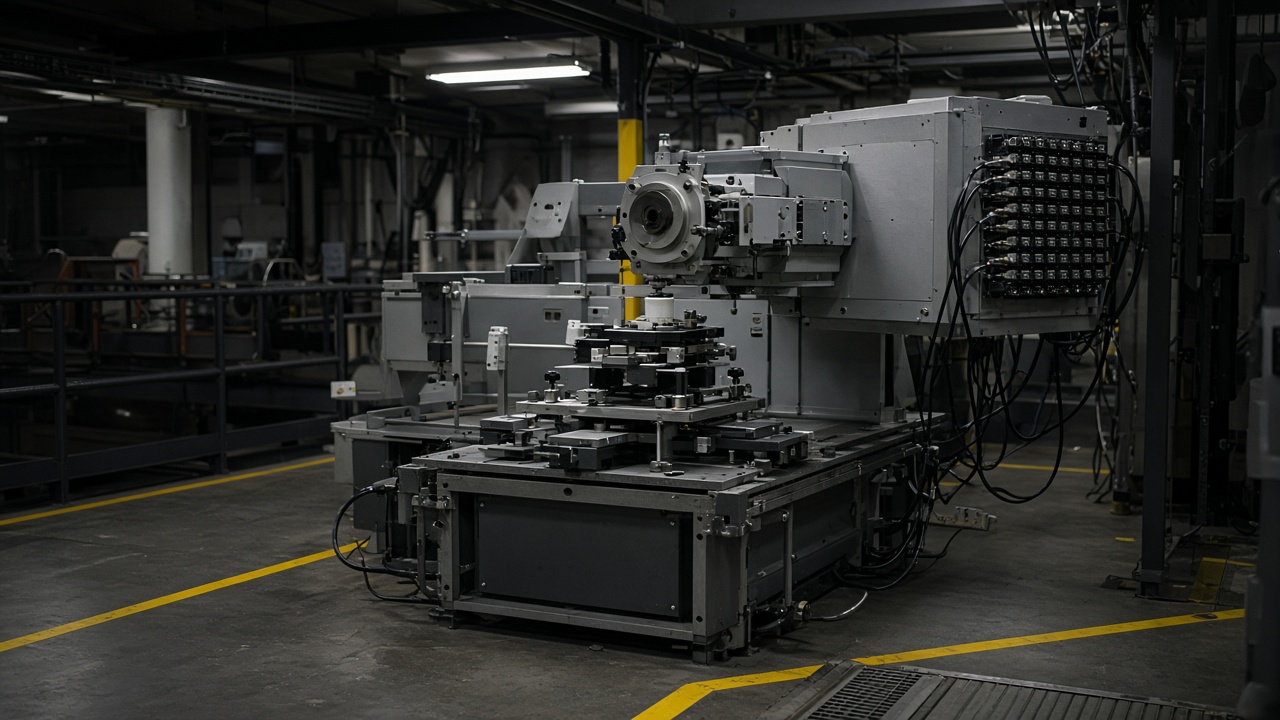
A RIKEN SPring-8 team published synchrotron maps Friday showing how strain fields shift inside oxide solid-state battery prototypes when cells are fast-charged, giving automakers a benchmark before pilot lines expand next year.
Using beamline BL02B1, researchers scanned pill-shaped cells at 30-second intervals while current jumped to three C rates. Sora Matsumoto’s science desk said the maps reveal microcracks forming near cathode interfaces long before voltage curves flag failure, a cue for quality control on giga-factory floors.
Why strain mapping matters
Solid-state designs promise higher energy density but hate uneven pressure. Carmakers testing sulfide and oxide electrolytes need to know whether factory stacking torques translate into hidden stress. The RIKEN maps tie X-ray diffraction peaks to mechanical models automakers already use in crash simulations.
NEDO-funded projects in Kanagawa will import the beamline recipe into inline inspection trials this winter. If the method scales, it could replace destructive teardown tests that slow production ramps.
Limits and next steps
Beam time remains scarce: each full charge cycle consumed four hours on the synchrotron, impractical for every pack leaving a plant. RIKEN is training Osaka University engineers to run abbreviated scans on failing cells returned from field pilots.
Matsumoto will track whether Toyota and Panasonic licensing teams cite the paper in December safety filings. For now, the work is a lab benchmark—not a consumer promise—but it narrows where solid-state efforts might break first.
Beamline staff plan a public tour for local high schools on Sports Day, using anonymized scans to explain how synchrotrons see inside batteries without opening them. Matsumoto said outreach matters because solid-state hype often outruns what factories can measure on the line.