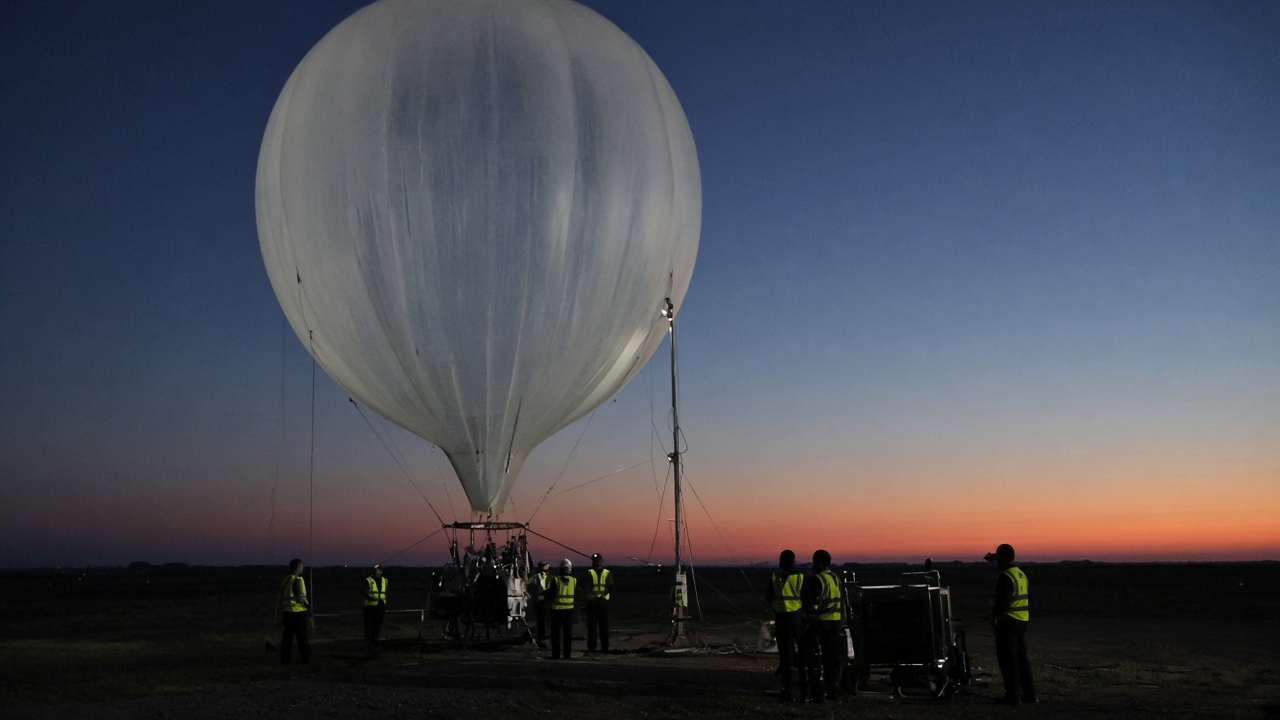
Researchers from JAXA, Kyoto University, and AIST said they produced the first geometric image of low-energy gamma rays emanating from the Milky Way’s center, using data from the SMILE-2+ balloon experiment flown before the instrument’s successor campaign.
Why MeV gamma rays matter
Positron annihilation in the galactic core emits a telltale 511-keV line that theorists have chased for decades. Balloon altitudes cut through atmospheric noise that ground telescopes cannot escape, while the team’s coded-aperture technique applies optical geometry to particle tracks.
Path to SMILE-3
JAXA is preparing a follow-on flight as a stepping stone toward satellite missions. Japanese groups lead MeV astronomy internationally, and Thursday’s release reminded domestic lawmakers funding science balloons—not only rockets—when they debate the next science budget.
Instrument heritage
SMILE-2+ flew on a stratospheric balloon launched from Australia’s outback, carrying an electron-tracking Compton camera developed at Kyoto. The team said geometric reconstruction cut background cosmic rays compared with earlier coded-mask-only analyses.
Funding for balloon campaigns competes with JAXA’s H3 rocket manifest, yet Thursday’s Nature highlight gives scientists added weight when they ask for continued mid-energy astronomy support in the fiscal 2027 science budget.