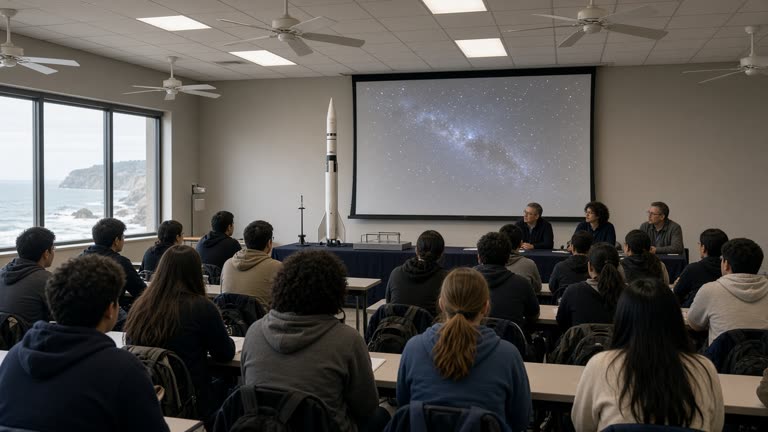
ISRO and the Indian Institute of Geomagnetism drew more than 200 students to a Port Blair outreach programme on 6–7 October, part of World Space Week’s Rocket Revolution theme across southern launch centres.
Bhabha Atomic Research Centre scientists used the Dhruva reactor’s neutron beam to trace lithium-sulfur cathode decay, aiming to extend cycle life for defence and grid-storage prototypes.
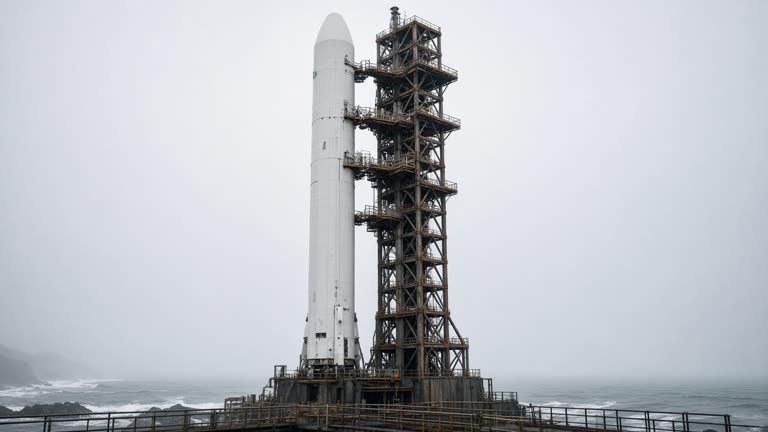
ISRO completed stacking of the GSLV-Mk2 first stage at Sriharikota as it targets a mid-October launch for NVS-03, the next second-generation NavIC navigation satellite awaiting lift-off.
ICMR’s influenza network reported that H1N1 accounted for roughly three-quarters of positive flu samples in recent surveillance, prompting hospitals to refresh isolation protocols.
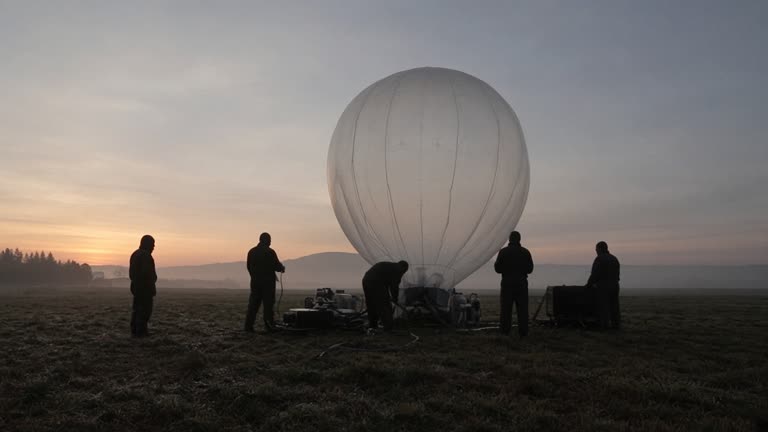
Tata Institute of Fundamental Research scientists recovered stratospheric ozone samples from a balloon launched near Hyderabad before winter overflight curbs grounded further flights until March.
Hyderabad-based TakeMe2Space said its MOI-1A satellite is processing workloads on Nvidia Orin hardware after launching on SpaceX’s Transporter-18 rideshare.
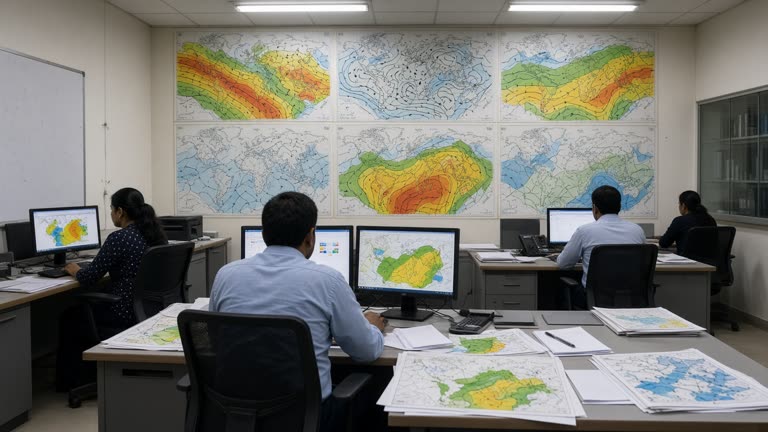
The India Meteorological Department’s extended outlook warns a Bay of Bengal circulation may form around mid-month while October rainfall stays below normal nationwide.
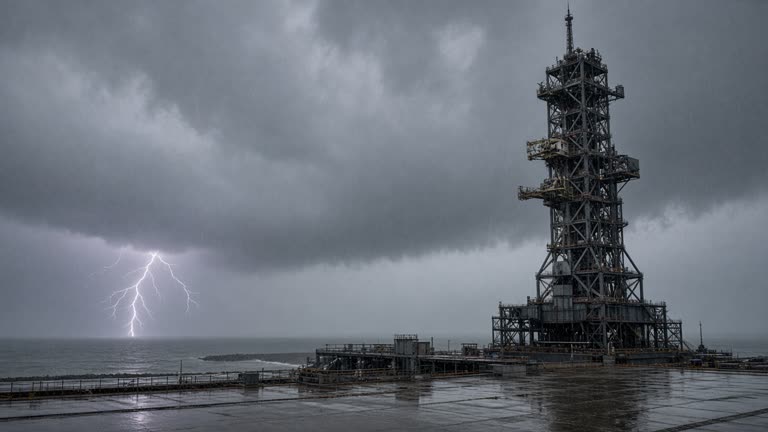
ISRO kept the PSLV-C61 countdown on hold after lightning sensors tripped a pre-launch constraint at Sriharikota, delaying an earth-observation payload that agronomists want before the rabi sowing window.
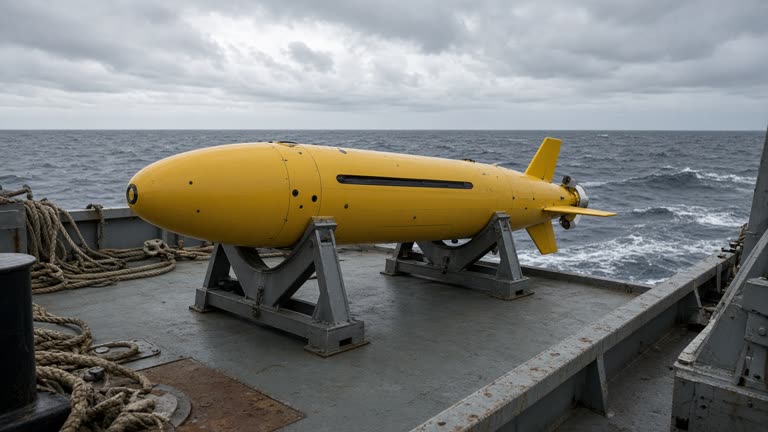
NIOT Chennai launched an autonomous underwater glider off Kochi to measure post-monsoon upwelling, feeding fish-stock models used by Kerala’s coastal zone managers.
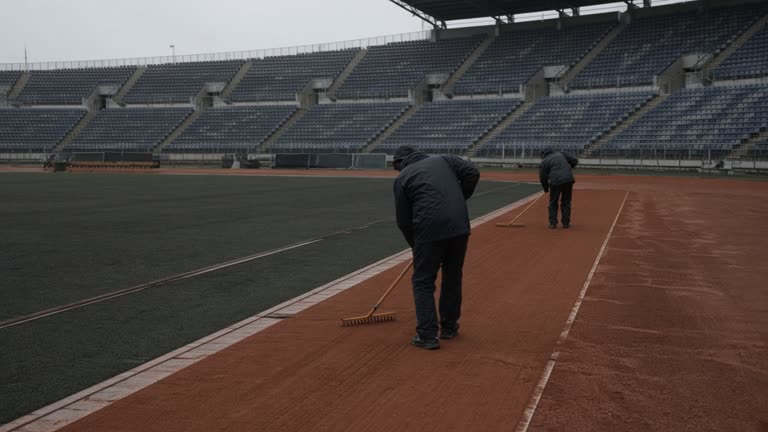
Asian Games organisers published Korogi stadium soil moisture readings before Monday’s javelin finals, giving athletes data on runway grip after rain delayed earlier field events in Aichi.
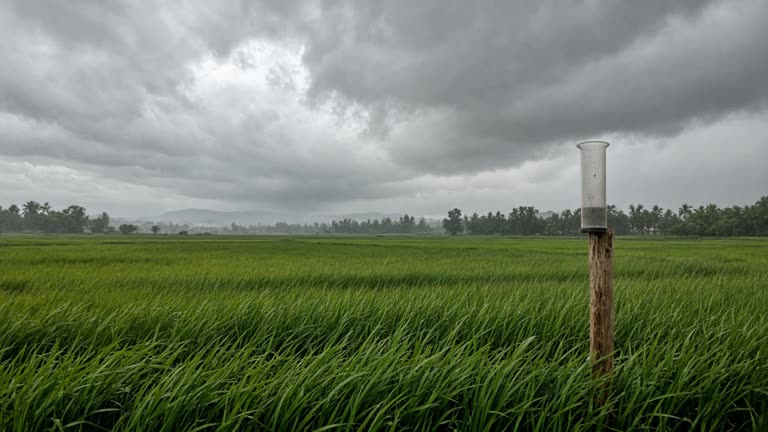
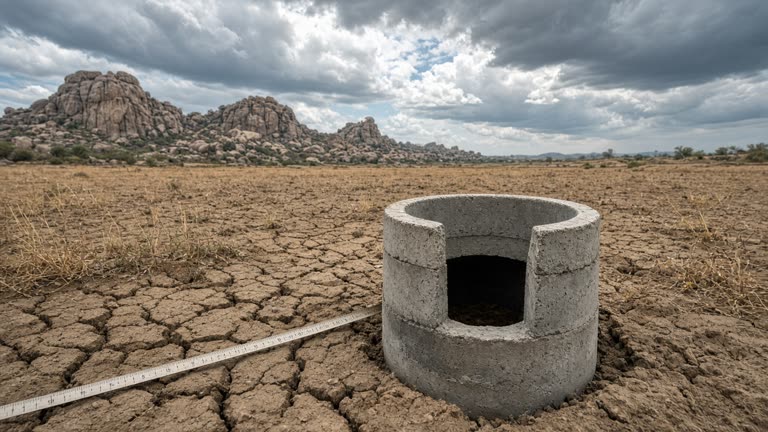
Andhra Pradesh's seasonal rainfall deficit narrowed from 43% to 22% after the late-September depression, but Rayalaseema's groundwater recovery will depend on infiltration into hard-rock aquifers rather than the headline total.
A September 9 acceptance firing of the CE20 cryogenic engine clears the propulsion path for LVM3-M7, putting NVS-03 in line for a mid-October window — and leaving the vehicle-level questions for flight.
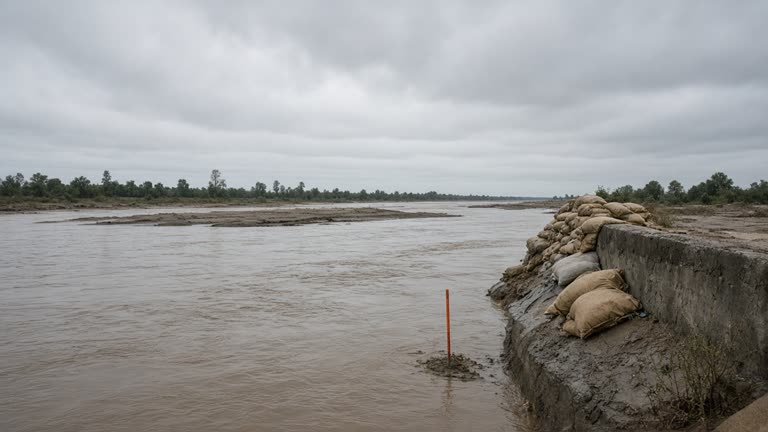
IIT Roorkee PhD work published in the Journal of Hydrology models Delhi’s July 2023 Yamuna flood with MIKE+ and ECO Lab, finding 63% of the simulated floodplain in high or very high hazard zones and linking E. coli loads to infection risks that can outrank depth-only evacuation maps.
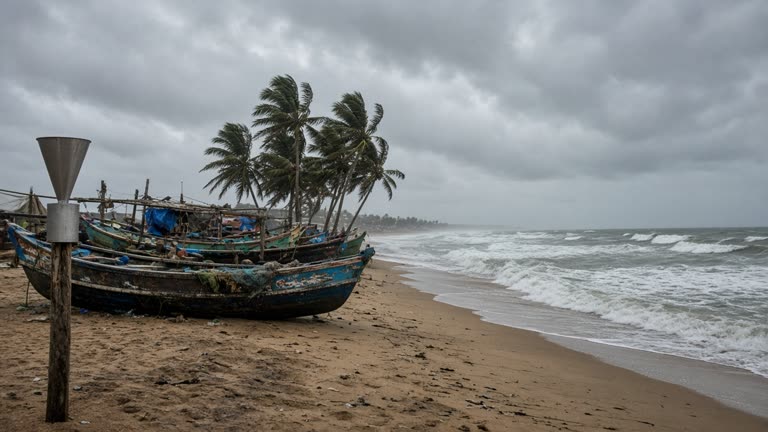
A deep depression crossed the north Andhra Pradesh–south Odisha coast near Kalingapatnam overnight on September 23–24, and IMD warned of isolated extremely heavy rain over Telangana through September 25 with squally winds across the Bay system.
The India Meteorological Department said the southwest monsoon withdrawal line crossed Nagpur on Tuesday as a late-season low-pressure system intensified over the Bay of Bengal, extending rainfall over Vidarbha and Odisha despite the official retreat marker moving west.
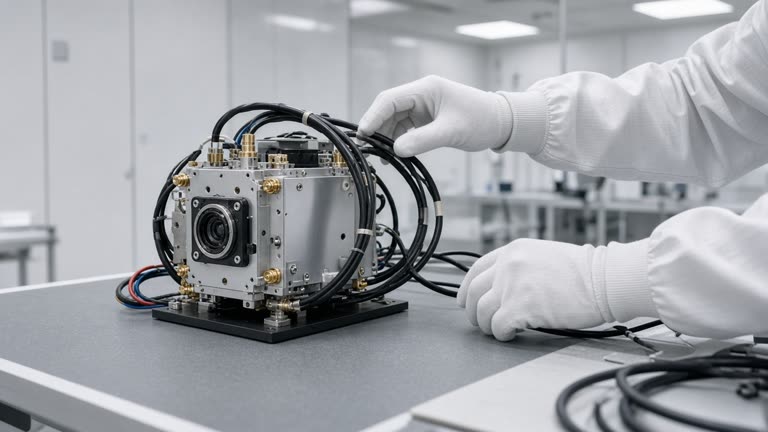
ISRO released Chandrayaan-4 lander thermal model datasets ahead of vacuum bench tests at VSSC, giving academic teams a look at predicted heat loads during lunar night survival experiments.
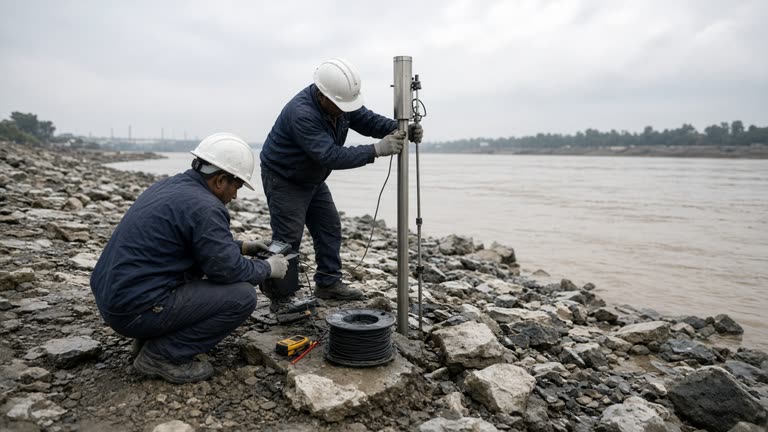
CSIR–National Physical Laboratory teams in Delhi calibrated reference gauges for Himalayan glacial melt runoff into the upper Yamuna basin, giving flood forecasters traceable stage data tied to Palla floodplain aquifer studies.
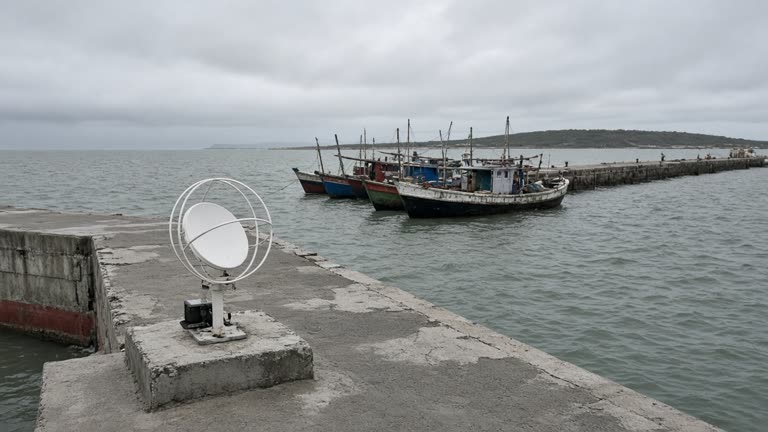
ISRO and the Lakshadweep administration expanded NavIC-enabled ground receivers so fisherman alert mesh nodes can broadcast cyclone and reef warnings without relying on patchy cellular backhaul.
Researchers at Tata Institute of Fundamental Research’s National Centre for Biological Sciences released open frog-call index maps covering Western Ghats massifs, giving forest departments a monsoon audit baseline built from acoustic surveys and rainfall-aligned timestamps.