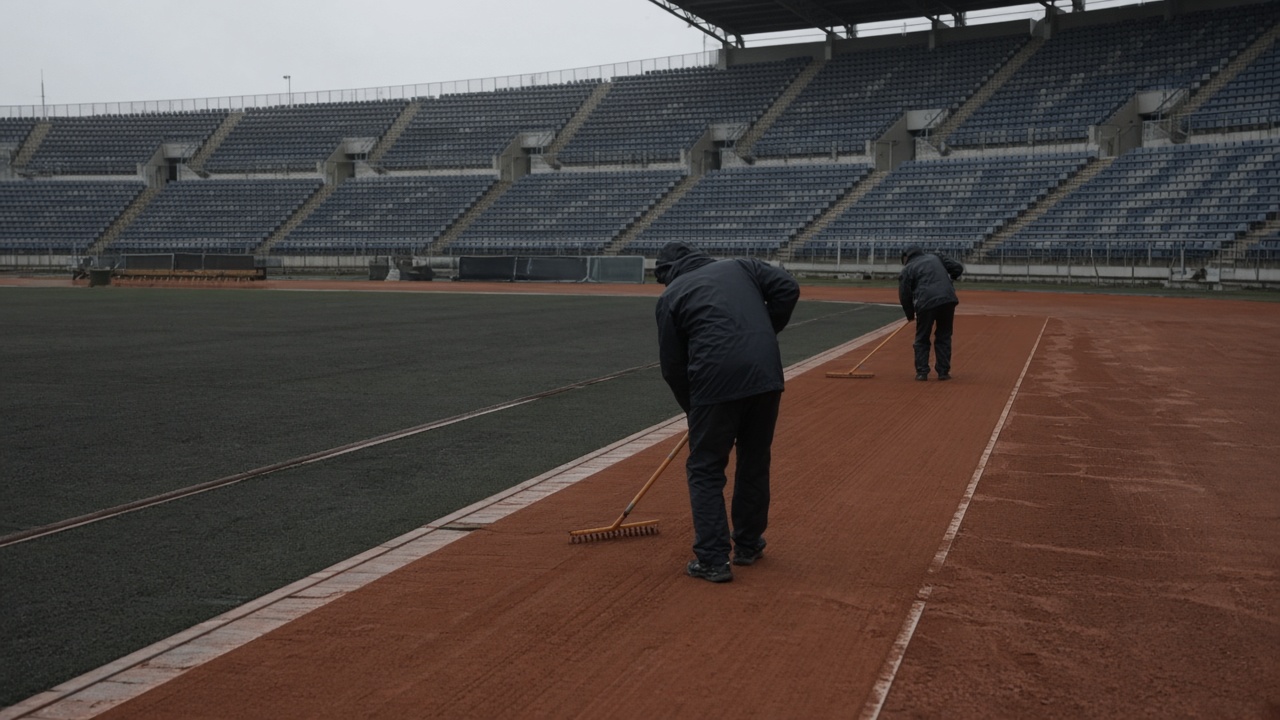
Organisers at the Aichi-Nagoya Asian Games released Korogi stadium soil moisture readings on Monday morning ahead of the men's javelin final block, giving throwers objective data on runway grip after rain interrupted earlier field programmes.
Equipment checks
Throwing cages received fresh sand rakes and drainage channel inspections before athletes arrived, with officials photographing baseline markers for protest review. Indian federations logged javelin serial numbers to comply with World Athletics inspection rules adapted for the Games.
Coaches from other delegations shared wind-meter readings through the technical delegates' group chat, a practice that grew after disputed conditions at prior continental meets.
Why moisture sheets travel with start lists
Javelin runways mix synthetic surfaces with drainage layers sensitive to overnight showers common in central Japan during September. Coaches requested numeric moisture percentages after Japan-Nepal baseball fixtures were shortened and Malaysia-Oman cricket matches saw covers deployed repeatedly.
India's Rohit Yadav and Yash Vir Singh appear in the start list published by Olympic channel schedules for 28 September, with the final window listed near late afternoon Japan time. Support staff downloaded the moisture bulletin alongside wind forecasts to adjust run-up spikes and glove resin use.
Cross-sport lessons from a wet week
Cricket quarter-finals at the same complex face separate drainage tests, but field events cannot rely on reserve days without compressing medal schedules. Organisers said they would publish updates every three hours while cloud bands persist.
Physiotherapists warn that damp run-ups increase hamstring load; Indian medics added extra activation drills during morning training blocks broadcast on host feeds.
Indian medal context
Neeraj Chopra's absence from the roster places weight on younger throwers to defend podium momentum from prior Asian Games cycles. Federation officials tracked bar velocities in practice throws Sunday, comparing them with moisture-adjusted expectations.
Broadcasters in India scheduled delayed telecasts aligned with final timings, pairing javelin coverage with cricket quarter-final windows later in the day.
Scientific transparency
Publishing soil moisture aligns with broader trend toward data-sharing in athletics after controversies over inconsistent runway reports at other multi-sport events. Independent statisticians archived the bulletins for post-event research on throwing distances versus surface conditions.
Sponsors supplying measuring probes said they calibrated devices at dawn using reference tiles stored under cover.
What's next on the schedule
If readings stay within acceptable bands, the final proceeds on time; persistent rain would shift throws to an alternate window listed in contingency appendices. Athletes emphasised that transparent numbers reduce arguments about fairness even when weather remains uncontrollable.