Apple is preparing its broadest Apple Intelligence rollout since the feature suite debuted last year, extending on-device models to additional iPhone and iPad hardware in the fall software update cycle, according to people briefed on release planning and documentation shared with carrier partners.
Which devices move up
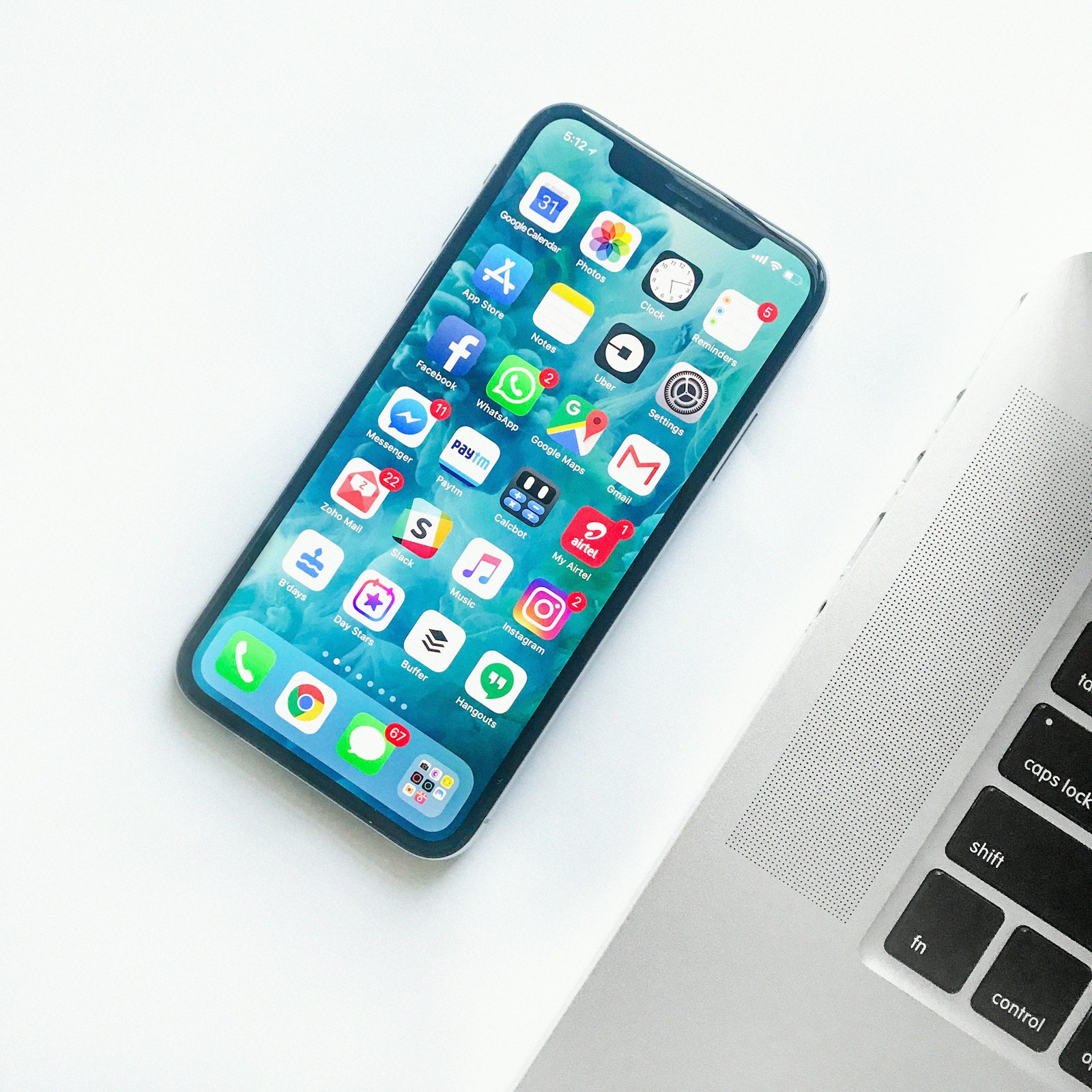
The expansion targets models that previously lacked the Neural Engine headroom Apple deemed necessary for private cloud compute fallbacks. iPhone 15 and iPhone 15 Plus are expected to gain the full set of writing tools, notification summaries, and Genmoji creation that shipped only on the Pro line in 2025. Several iPad Air configurations running the M2 chip will also qualify, closing a gap that frustrated education buyers who standardized on non-Pro tablets.
Apple has not publicly confirmed the list; spokespeople repeat that Intelligence features require specific silicon and memory bandwidth. Internally, engineers describe the fall push as a “coverage milestone” rather than a capability leap—the underlying models are refinements of versions shown at WWDC in June, not an entirely new foundation model tier.
On-device strategy in a pacing market
The timing lands as frontier cloud labs debate slower releases after agent security incidents. Apple’s pitch remains differentiation through local inference: Photos searches, Mail rewrites, and Siri orchestration that, in Apple’s wording, “doesn’t need your data to leave the device” for core tasks. Partners note that Apple still routes complex requests to Private Cloud Compute clusters, but the fraction of queries that qualify has shrunk as quantized models improve.
Carrier marketing decks seen by InfoHandle emphasize battery impact tests showing less than a five percent drain during typical Intelligence sessions on newly supported phones—a stat retail staff are trained to repeat amid questions about last year’s upgrade fatigue.
Features and limits
Users on expanded hardware should receive Image Playground, Clean Up in Photos, and systemwide Writing Tools in U.S. English at launch, with additional languages staged through the winter. Apple Intelligence integration in third-party apps remains API-gated; developers must adopt App Intents and declare data use before prompts surface in Spotlight.
Not everything crosses over. Visual intelligence camera queries that rely on server-side object catalogs may stay Pro-only, as will some video-generation experiments Apple has shown only to select creators. The company continues to block Intelligence in the European Union for products it says cannot yet meet Digital Markets Act interoperability rules—a sore point with regulators watching the fall release calendar.
Competitive context
Samsung and Google have marketed galaxy-wide AI bundles that do not distinguish base from premium phones. Apple’s staggered approach risked looking stingy in 2025; widening eligibility this fall is partly a response to churn data showing mid-tier iPhone owners delaying software updates when flagship features were out of reach.
Wall Street analysts expect the move to support services revenue indirectly: more devices running on-device models mean more iCloud subscriptions for backup and more App Store trials of Intelligence-enabled apps. It does not, by itself, revive hardware growth in China, where local assistants dominate and Apple has yet to announce a localized model partner.
Enterprise and privacy buyers
IT departments that blocked cloud LLM plugins are more willing to pilot Apple Intelligence when mobile device management policies can disable Private Cloud Compute routes entirely. Apple’s fall documentation adds new MDM keys for that purpose, according to a beta guide distributed to mobility vendors last week.
Privacy advocates remain skeptical of on-device framing when Apple still trains models on opt-in data and when Photo Clean Up touches sensitive imagery. Apple counters with audit reports on Private Cloud Compute and third-party security reviews published alongside the beta.
Rollout mechanics
As in prior years, Apple will seed release candidates to developers in late September, with public availability timed to new iPhone sales and holiday quarter guidance. Retail staff training modules obtained by InfoHandle stress demo scripts that avoid comparing Apple Intelligence to chatbots—“personal intelligence” is the mandated phrase.
If the fall push hits its coverage goals, more than eighty percent of active iPhones in the United States could access at least one Intelligence feature by December. The open question is whether users notice enough difference to upgrade early, or whether Apple must still sell the Pro line on camera hardware alone.