Public health officials are closing out the warm season with another reminder that heat-related illness does not vanish when schools reopen. Syndromic surveillance from the Centers for Disease Control and Prevention shows emergency-department visits for heat stress still running above typical late-September baselines across parts of the South and Southwest, prompting renewed outreach to outdoor workers and adults with cardiovascular disease.
What the trackers show
The CDC Heat & Health Tracker draws near-real-time data from the National Syndromic Surveillance Program, reporting heat-related illness visits per 100,000 emergency encounters by Health and Human Services region. Epidemiologists use the dashboard to time alerts when a heat wave outlasts forecast models.
County health departments in Arizona and Texas continued weekly reporting into mid-September, documenting dehydration and heat exhaustion among construction crews and agricultural workers. Clinicians note that humidity and overnight temperatures matter as much as afternoon peaks; when lows stay in the 80s, bodies struggle to recover between shifts.
Hospital strain
Heat-related hospitalizations—distinct from ED visits—lag syndromic signals by days. Tracking programs that compile inpatient diagnoses still show elevated counts in Sun Belt metros compared with the five-year average for September. Kidney injury and electrolyte disturbances remain common admission drivers.
Employers are distributing electrolyte packets and adjusting start times, but occupational medicine groups say many small contractors lack formal heat plans. Medicare Advantage plans said they are pushing hydration counseling during annual wellness visits for members on diuretics.
Research published the same week
While hospitals tally heat cases, two September studies highlight how targeted delivery tools could reshape other high-stakes care. In Science Advances, Adelaide University researchers described antibody-coated lipid nanoparticles that carry mRNA into tumor-associated macrophages, boosting chemokine signals that recruit cancer-fighting T cells in mouse models; Wired reported the team cut immunosuppressive macrophages by roughly 63 percent in those experiments.
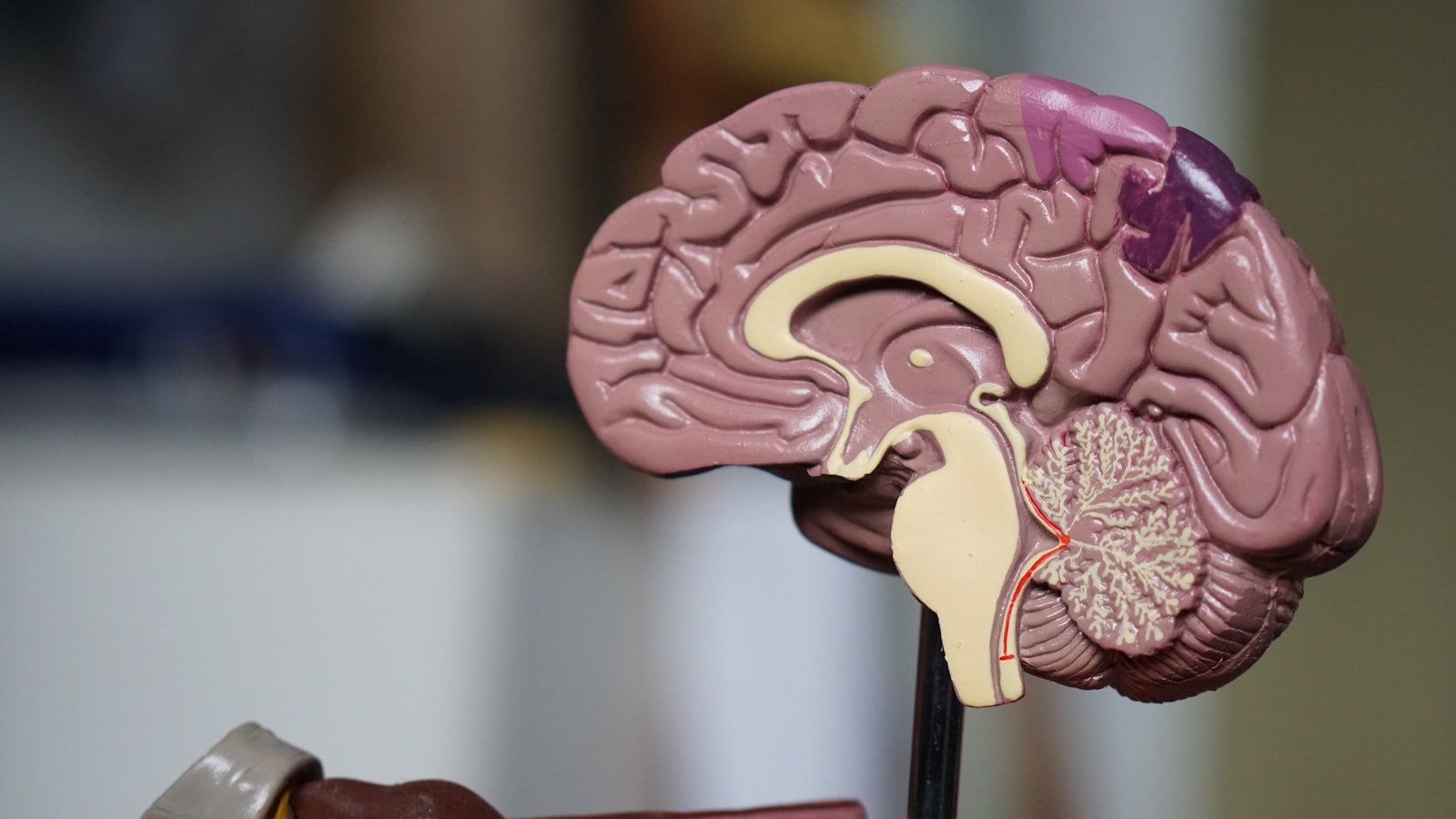
Separately, a Nature Neuroscience paper from UCSF’s BRAVO trial showed a single high-density electrocorticography implant decoding attempted speech and gestures at once, animating a personalized avatar for participants with severe paralysis. The work is years from clinic but underscores how precision interfaces—not generic wellness apps—are advancing parallel to summer public-health warnings.
Practical takeaways
For households, the late-summer surge is a prompt to check cooling centers, monitor medications that reduce thirst, and treat heat exhaustion before it progresses. For policymakers, syndromic data offer a faster trigger than mortality statistics, which can take weeks to compile.
CDC partners said they will keep publishing regional dashboards until overnight temperatures consistently fall. Until then, emergency physicians expect a steady trickle of heat cases alongside the usual early-autumn respiratory viruses—two seasons overlapping on the same stretch of calendar.