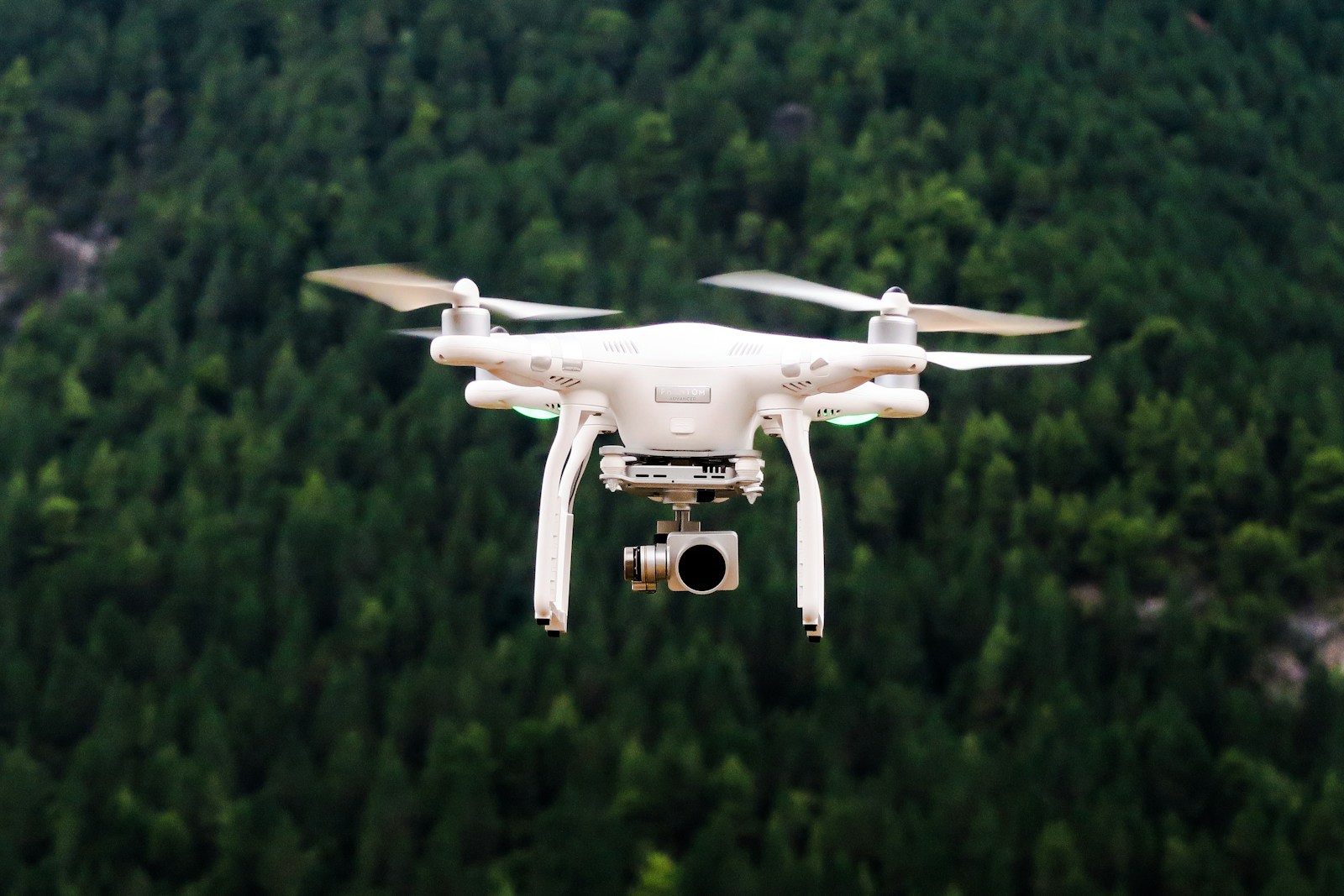
Saudi Arabia’s defense ministry said air defenses intercepted two unmanned aircraft approaching restricted airspace east of Mecca early Tuesday, triggering sirens in nearby municipalities and briefly halting departures at King Abdulaziz International Airport in Jeddah.
What Riyadh reported
A statement carried on state television described the objects as “hostile drones” launched from outside the kingdom, without naming a country. Debris fell in an unpopulated wadi, and no casualties were reported. The incident came six days after drone strikes damaged Petroline pumping infrastructure southeast of Medina, keeping the East-West pipeline largely offline and Brent crude above $106.
Two diplomats briefed on initial telemetry told InfoHandle that at least one track showed erratic altitude changes consistent with GPS interference before kinetic intercept. Saudi officials declined to confirm electronic warfare use, citing operational security.
Jamming versus hard kill
Gulf militaries have invested heavily in counter-UAS radars and Coyote-style interceptors since 2019 attacks on Abqaiq. Tuesday’s event revived questions about whether soft-kill jamming near pilgrimage routes is preferable to missile fragments over populated areas.
Analysts at the International Institute for Strategic Studies noted that jamming can push drones into fallback modes that ignore no-fly zones, while kinetic kills risk collateral damage near dense urban corridors. Mecca’s airspace restrictions during the annual hajj season amplify both concerns.
Airline and energy spillovers
Carriers including Saudia and Emirates diverted several departures for roughly 40 minutes while controllers cleared uncertainty. The scare followed Monday’s industry memo, reported by InfoHandle, urging crews to carry extra fuel when routing near western Saudi Arabia.
Energy traders watched the intercept closely. Petroline repairs are already estimated at three to five weeks; any suggestion that drone operators can probe near Medina or Mecca keeps war-risk premiums embedded in Brent spreads even when loading resumes at Yanbu.
Accusations and denials
Iran’s mission to the United Nations called the Saudi account “fabricated pretext,” repeating Tehran’s denial of involvement in the Petroline strikes. Iraqi militia channels praised “resistance aviation” without claiming Tuesday’s flights. U.S. Central Command said it was monitoring but did not report American assets engaged.
Washington has urged Gulf partners to share radar feeds through a joint cell established after the September 10 pipeline attack. Participation remains uneven; Tuesday’s dual tracks reportedly appeared on Saudi screens minutes before allied fusion centers received the same plots.
Technology gaps buyers cite
Defense contractors pitching directed-energy and high-power microwave systems said inquiries jumped after the Medina damage. Procurement officers privately complain that many systems struggle with swarms or cheap commercial quadcopters modified for one-way runs.
European suppliers marketing portable jammers warned that indiscriminate GPS denial near airports can disrupt civilian avionics—a tension Jeddah controllers highlighted in a closed briefing summarized to regulators.
What comes next
Saudi authorities promised a fuller investigation within 72 hours and said hajj security protocols would tighten further. For diplomats, the episode is another data point in a conflict that began with pipeline fires and is now testing protections around Islam’s holiest city.
Until Riyadh publishes debris analysis and flight paths, allies will debate whether Tuesday was a near miss stopped by layered defenses—or a probe that exposed jamming blind spots they cannot afford during peak pilgrimage weeks.
Pilgrimage security context
Interior Ministry officials said the Grand Mosque complex remained open, but loudspeaker announcements urged residents to report unfamiliar aircraft sounds. Hospitality operators in Mecca said group bookings held steady, though several European tour agencies asked for written assurances about air-defense coverage before chartering additional flights.
U.S. State Department travel advisories, updated Monday, already warned Americans to reconsider nonessential travel in western Saudi Arabia. Tuesday’s intercept is likely to keep those advisories at elevated levels even if Jeddah airport resumes normal schedules.
Private security firms hired by multinational employers said they are modeling alternate arrival airports and bus corridors for hajj groups, a logistical headache that feeds back into airline scheduling debates covered elsewhere in today’s edition.
Coalition officials said they would share updated intercept procedures with civilian aviation authorities by Thursday, hoping to shorten the diversion windows that disrupted Jeddah on Tuesday morning.
Analysts at Janes said the episode will likely accelerate procurement of integrated detect-and-defeat towers along the Red Sea coast, even as budgets strain from concurrent pipeline security missions inland.