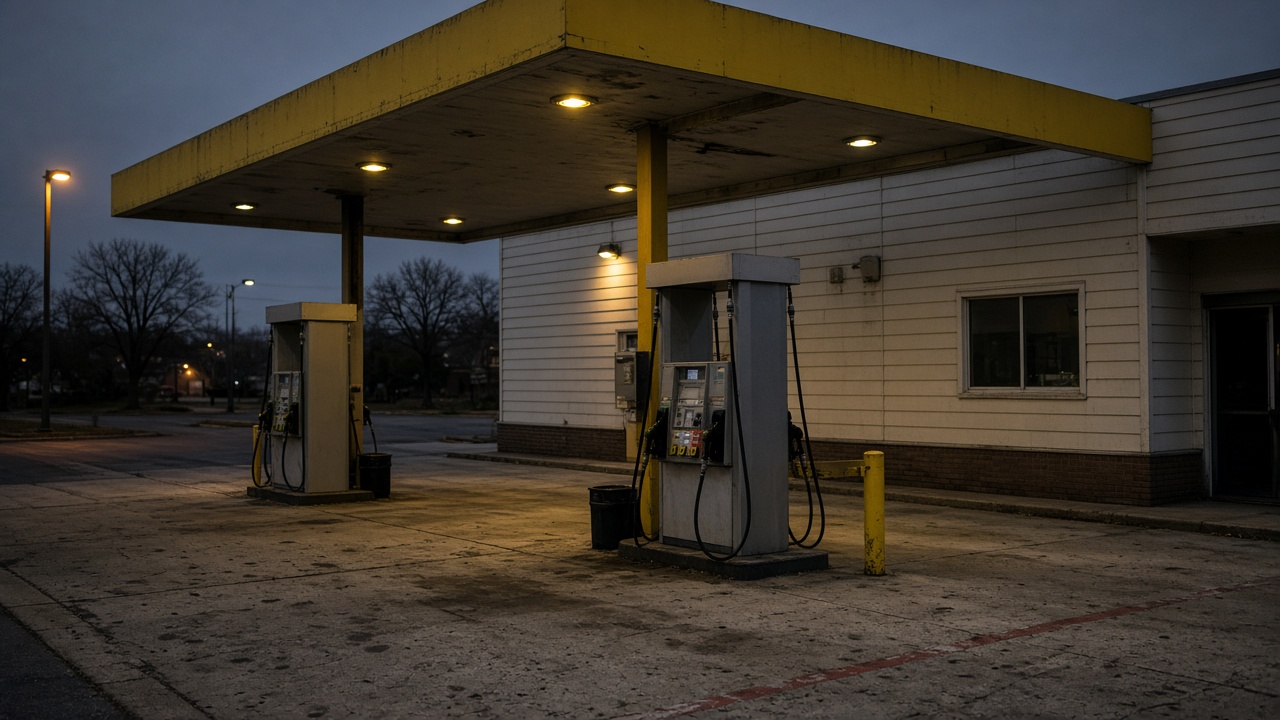
Store managers at two national convenience chains received the same blunt instruction by Monday night: stop enrolling new members in fuel discount clubs and cap loyalty redemptions at three cents per gallon until further notice. The emails, reviewed by InfoHandle, cited “wholesale volatility” tied to the Saudi Petroline outage and did not include a restart date—an unusual move for programs that normally reset weekly with rack indexes.
Who made the call
At 7-Eleven’s U.S. franchise operations, a regional director for the Midwest told district leaders that corporate fuel marketing had “paused stackable promos” after Gulf Coast rack gasoline jumped more than 40 cents in five trading days. Circle K’s parent Alimentation Couche-Tard circulated a similar hold on double-coupon weekends that had been scheduled for September. Both companies declined to comment on internal communications; public relations teams pointed to existing disclosures that fuel margin is managed locally.
Workers at a Couche-Tard-owned store outside Columbus, Ohio, said district managers held a 15-minute stand-up call Tuesday morning to explain that the company would honor existing loyalty balances but would not refresh app-based offers that shaved five to ten cents off street prices. “They told us not to promise the app price to regulars,” one shift lead said. “That’s new.”
Why wholesale moved faster than street prices
Rack gasoline in Chicago and Group 3 hubs repriced almost immediately after Brent settled above $108 on September 15, reflecting suspended loadings at Yanbu and traders’ fears that up to four percent of global supply could be delayed, as reported by Reuters and other outlets covering the East-West pipeline damage. Retail street prices lag rack moves by several days because stations hold inventory bought at prior averages and because brands fear being the first to break psychological $4 thresholds in swing states.
Convenience chains, however, buy closer to the rack when they manage fuel centrally. Their promotion engines—often tied to bundled coffee and snack purchases—assume a stable spread between wholesale and street. When diesel premiums widen at the same time, hauling costs for tanker deliveries rise, compressing that spread further. The Energy Information Administration’s weekly diesel snapshot showed national averages climbing faster than gasoline for the second consecutive report, mirroring what store accountants saw in invoice PDFs.
Strategy as a fight among people
Franchisees are not monolithic. One 7-Eleven owner in Texas said he ignored the corporate cap for six hours until his field consultant called, arguing that local competition was still discounting with grocery fuel points. Another owner in Minnesota welcomed the pause, saying he had been losing eight cents a gallon on loyalty gallons since Friday. The fight inside the chains is between marketing teams tasked with traffic counts and fuel desks tasked with cents-per-gallon margin.
Employees hear that tension in huddles. “Marketing wants bodies in the store,” a Circle K assistant manager in Indiana said. “Fuel guys want us to stop giving away margin on gallons we already paid too much for.” Corporate slides shown to managers this week reportedly separated “traffic drivers” (coffee bundles) from “margin protectors” (cigarettes and beer), signaling that food promos may continue even while fuel discounts freeze.
What investors already knew
Couche-Tard’s August earnings call already warned that U.S. fuel margins could narrow if crude rallied into hurricane season. The market did not need a war premium to test that guidance. Shares slipped modestly Tuesday, less on the promotion news than on broader consumer discretionary weakness, but sell-side notes flagged fuel profitability as a swing factor for September same-store sales.
Private equity-backed chains with heavier fuel exposure face a sharper choice. Some are experimenting with dynamic pricing tied to OPIS indexes, a strategy that angers customers when street boards jump overnight. Others are pushing prepaid fuel cards with locked discounts—a product that transfers risk to the buyer but creates support headaches when wholesale gaps widen mid-week.
What the shop does next
Until Yanbu loadings normalize or Strategic Petroleum Reserve rhetoric turns into barrels, expect fuel clubs to stay capped. Managers said corporate teams promised a midweek reassessment if Brent eases toward $104, as some desks reported Wednesday on alternate Saudi routing through Oman.
For shoppers, the practical effect is fewer stacked discounts at the pump and more pressure to buy inside the store, where margins are safer. For employees, it means explaining a corporate fuel freeze to drivers who still see headlines about oil spikes—and doing it without a script that mentions pipeline attacks by name.