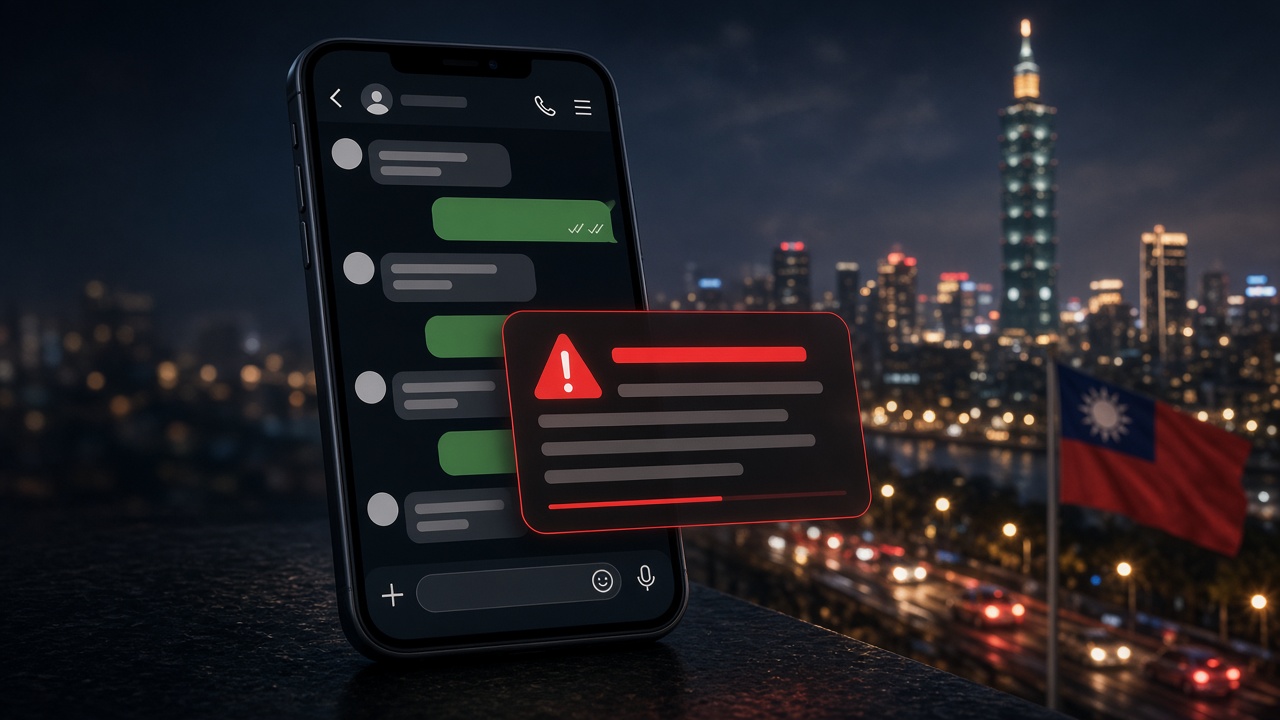
Taiwan’s Financial Supervisory Commission warned investors Wednesday about fake LINE “official” channels that promote cryptocurrency pools and impersonate securities firms, saying its tally of reported impersonation accounts reached 214 in the third quarter—up from 163 in the second.
Timeline
The bulletin described channels that reuse logos from licensed brokers and add phrases such as “VIP dividend group” or “holiday arbitrage window.” Scammers often ask targets to download secondary apps to “verify” identity before transferring funds to overseas wallets. The FSC said many campaigns accelerated after the central bank held policy rates steady last week, with fraudsters citing “rate-gap profits” that do not exist.
Investor complaints logged with the Securities Investors Protection Center rose in August, according to a center summary reviewed by InfoHandle. Analysts there said victims skew toward retirees who already use LINE for family chats and assume green verified badges are genuine.
Impact
The FSC did not publish aggregate losses. The National Police Agency’s 165 hotline said crypto-investment fraud reports accounted for 18% of financial scam calls in the first two weeks of September, a share that has climbed since spring. Because tokens move offshore quickly, recovery rates remain low; prosecutors have secured freezes in only a handful of cases this year.
Licensed brokers stressed they do not operate investment chat groups on LINE. Yuanta Securities and KGI issued client notices reminding users that account changes happen only through signed forms or authenticated apps.
Forensic vendors hired by two midsize brokerages said the latest channels rotate through disposable cloud storage links within hours, a tactic that outpaces manual takedown requests. The FSC bulletin urged investors to compare LINE IDs character by character against numbers printed on quarterly statements, not against screenshots forwarded by friends.
Response
LINE Taiwan said it removed 1,900 financial-impersonation accounts in August under a memorandum with the FSC, but acknowledged that rebrand-and-return cycles can take hours. The commission urged banks to flag outbound transfers above NT$500,000 to new crypto exchanges during holiday weeks.
The Investor Protection Foundation plans radio spots before Mid-Autumn Festival emphasizing that guaranteed returns violate securities law. FSC chairperson nominees appearing before the Legislature this month faced questions on whether messaging platforms should face fines for slow takedowns; no new statute has been introduced.
Securities firms said they are testing device fingerprinting on mobile trading apps to flag logins from phones that also host scam APKs, though privacy officers warned the feature needs clear consent language before launch.
Gaps
It is unknown how many impersonation pages originate outside Taiwan or use compromised influencer accounts. The FSC has not named exchanges that appear most often in complaint narratives. Whether telecom firms will filter known scam URLs at the network layer remains under discussion with the National Communications Commission.
Prosecutors in New Taipei said one September indictment involved a ring that laundered funds through convenience-store barcode payments before converting to stablecoins—a path the FSC highlighted to show why bank teller scripts now ask about crypto apps when elderly customers request large cash withdrawals.
Until enforcement catches up, the practical defense is boring: verify phone numbers on official websites, refuse APK installs, and treat holiday “last chance” token pitches as theft in advance.