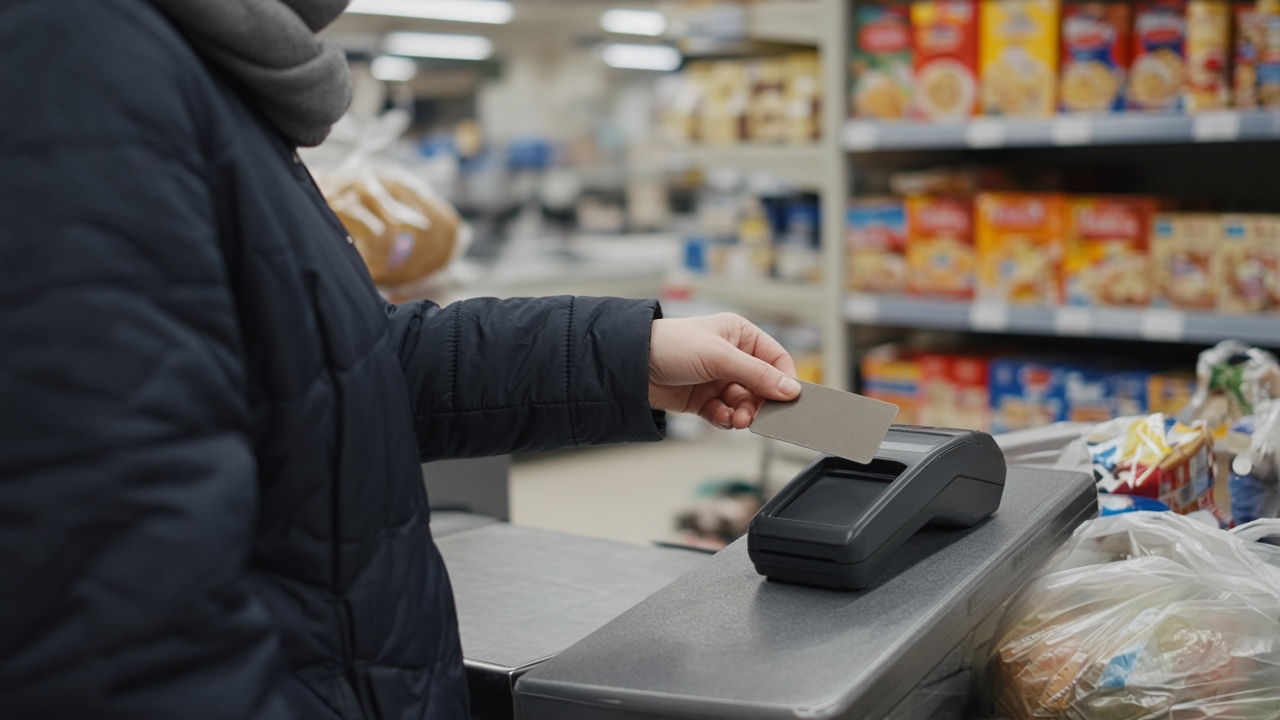
Cardholders opening issuer apps this week found gasoline bonus categories capped for the first time since the 2022 price spike, while grocery multipliers quietly rose. Chase, Citi, and Capital One did not issue press releases, but updated rewards terms seen by InfoHandle show monthly gasoline earn limits dropping from $1,500 to $1,000 in bonus categories on several popular cash-back products, with grocery earn boosted from three percent to four percent through December.
What changed for the person at the pump
If you drive a typical 12,000 miles a year and filled up twice a week at $3.80 a gallon before the Saudi pipeline outage moved rack prices, a five percent gas category returned roughly $95 annually on bonus spend. Cutting the cap by $500 of eligible spend removes about $25 of that upside before accounting for higher dollar volumes at the pump. The same household spending $600 a month at supermarkets gains an extra $72 a year from a one-point grocery bump—money issuers hope feels tangible while gasoline costs hurt.
Terms for popular Freedom Flex-style products and Citi Custom Cash analogues now display footnotes that gasoline stations may be classified inconsistently when warehouses attach pumps, a longstanding merchant code headache that becomes costly when every gallon is bonused.
What issuers gain
Rewards are a marketing expense booked against interchange and interest income. When wholesale gasoline jumps forty cents in a week, issuers paying five percent on uncapped gas spend face nonlinear costs: cardholders chase gallons, stack authorized user cards, and time large purchases before category resets. Grocery multipliers steer spend toward merchants with more predictable interchange and lower fraud rates.
Issuers also gain narrative cover. Customer service scripts reviewed by InfoHandle instruct agents to cite “market conditions affecting fuel promotions” without mentioning partner liability caps. The scripts pair caps with boosted grocery offers, framing the change as flexibility rather than retrenchment.
Diesel and the rack price readers do not see
Pump prices follow rack gasoline, but convenience stores and grocers with fuel islands pay delivery surcharges tied to diesel. When middle distillates outperform crude—as desks documented after Yanbu loadings paused—landed fuel costs rise faster than headline Brent charts suggest. Issuers modeling rewards off national average gasoline prices underestimated September spend velocity, according to two payments consultants who advise top-ten banks.
Cards marketed as “gas and grocery” bundles are especially exposed. Capital One’s updated FAQ for one such product now separates warehouse club gasoline from standalone stations for bonus eligibility, closing a loophole power users exploited with mixed merchant codes.
Who loses if balances carry
Caps matter less to transactors who pay in full; they matter more to households financing fuel at purchase APRs above 20 percent. A capped grocery multiplier does not help if the extra supermarket spend rotates onto a balance that accrues interest. The Consumer Financial Protection Bureau’s ongoing scrutiny of rewards marketing makes issuers careful to show annual dollar examples in updated terms, but those examples still assume payoff behavior many stressed borrowers do not follow.
Missed payments can forfeit entire quarter bonuses on some cobranded products. Readers juggling higher pump receipts should note due dates before optimizing categories.
What to watch on statements
September cycle closes will show whether issuers pro-rate caps mid-month or apply them forward only. Early indications favor forward application, angering cardholders who filled large tanks the week of the outage. Class-action firms monitoring rewards changes have already archived the new terms.
Until rack prices ease, expect issuers to compete on groceries, streaming credits, and drugstores—categories where cents-per-dollar marketing still beats uncapped gasoline wars they cannot afford when diesel premiums widen.
Co-brand partners
Gas station co-brands face a parallel squeeze: fuel retailers fund part of the bonus pool through marketing budgets that shrink when rack margins compress. Two major station networks told partners they would not fund incremental issuer promotions in September, pushing banks to fund grocery boosts alone. Cardholders loyal to a single station brand may see unchanged pump discounts at the register even as issuer app categories cap out.