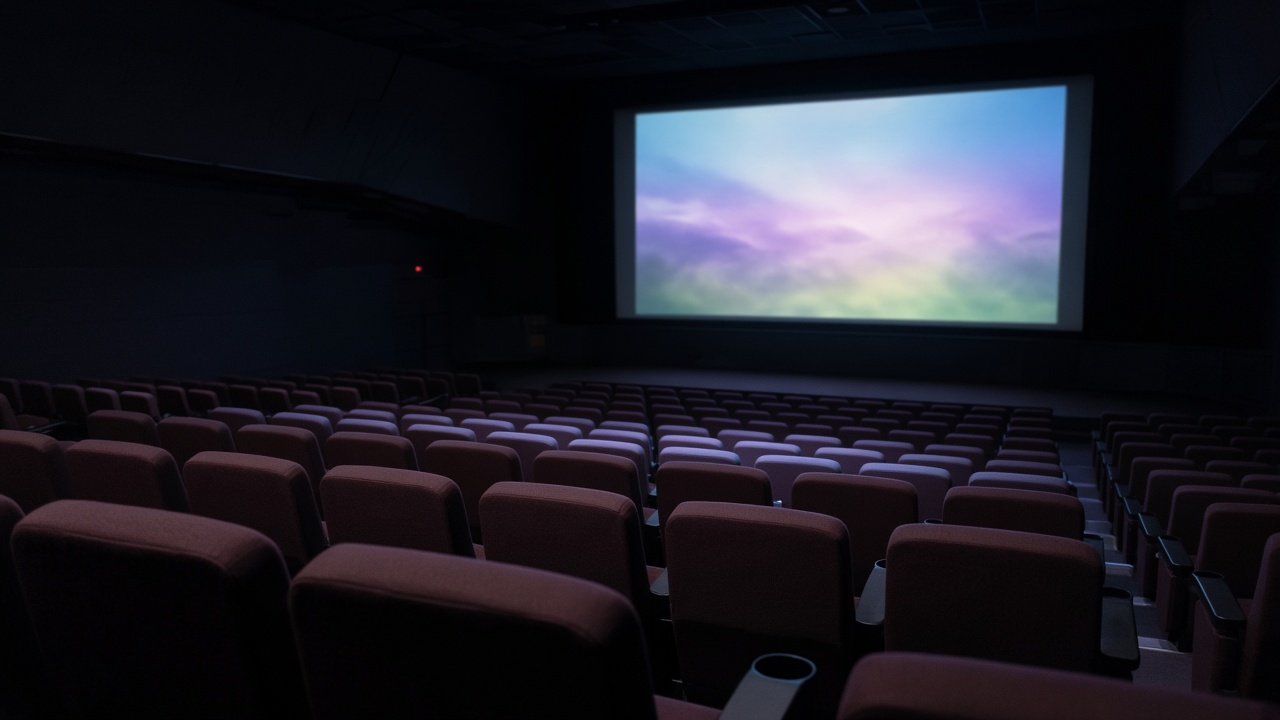
A multi-year renewal of Studio Ghibli's domestic streaming rights reignited Japan's fight over theatrical windows on Tuesday, as Toho Co. confirmed adjusted holdback periods for catalogue titles while insisting new releases would still spend at least eight weeks exclusively in cinemas before HBO Max Japan and partner platforms can stream them.
What the deal changes
Ghibli and distributor Toho did not publish contract terms, but executives at a joint briefing said the renewal covers roughly two dozen features and selected shorts, with staggered streaming debuts timed to school holidays. Older titles that previously waited 90 days after repertory screenings may arrive on streaming 60 days after a nationwide re-release ends, a concession streaming advocates wanted for catalogue rotation.
HBO Max Japan, operated through a local joint venture, remains the primary exclusive SVOD window; free ad-supported tiers and airline edits sit outside the core agreement. Toho stressed that international Netflix deals Ghibli struck years ago do not alter Japan's domestic sequence—Japanese viewers still see films in theatres first unless a title is a made-for-streaming exception, which Ghibli says it has none planned.
Exhibitors push back
The National Association of Theatre Owners of Japan told InfoHandle that shortening holdbacks on re-releases undermines mini theatrical events that keep suburban cinemas alive between Hollywood blockbusters. A Saitama multiplex manager said Ghibli marathons account for 12 percent of autumn ticket revenue when paired with concession bundles aimed at families preparing for Silver Week.
Toho countered that piracy spikes when windows stretch too long on beloved catalogue titles, citing internal telemetry on illegal camcording after 45 days on 2024 reissues. Cinemas want watermarking and day-and-date only for true flops; Ghibli films rarely qualify.
Creator economics
Ghibli producer remarks emphasized that theatrical runs finance restoration work and 4K masters used globally. Merchandise and art-book sales peak during cinema campaigns; streaming is treated as elongating tail revenue, not replacing opening weekends. Still, younger viewers discover Totoro on phones first—school teachers report classroom polls where fewer than half of middle schoolers saw a Ghibli film on the big screen before age 12.
Animators' unions asked for transparency on streaming residuals for in-between artists on re-mastered cuts. Ghibli's studio culture keeps many payments bundled in salary, but freelance colorists on recent 4K passes want line-item reporting when HBO Max refreshes thumbnail art that drives rediscovery.
Competitive streaming landscape
Netflix Japan, Amazon Prime Video, and Disney+ bid aggressively when the last Ghibli pact neared expiry in 2024; Warner Bros. Discovery's regional team kept HBO Max Japan by promising festival tie-ins and IMAX replays co-funded with Toho. Rivals now lobby the Fair Trade Commission to scrutinize whether exclusive holdbacks count as anti-competitive when Toho also owns theatres through Toho Cinemas.
Regulators have not opened a formal case, but a 2025 report on vertical integration in exhibition cited Ghibli as a "bellwether" title whose window sets norms for anime reissues industry-wide.
International parallels
Hollywood studios shortened windows during the pandemic and partially walked them back; Japan's exhibition market recovered slower, making anime holdbacks politically sensitive. French cinema owners' strikes over 17-day windows made headlines in Europe; Japanese exhibitors argue their geography—dense cities plus rural single screens—requires longer exclusivity outside Tokyo and Osaka.
Ghibli's overseas strategy remains separate: Max streams in several territories while Japan waits. Tourist agencies marketing "pilgrimage" routes to Ghibli Park in Aichi worry that instant streaming after short runs could cool repeat theatre visits from inbound fans.
What audiences should expect
Families planning Silver Week outings should still expect new prints or restored versions on marquee screens through October, with streaming banners advertising "coming soon" only after the eighth week on new titles. Catalogue surprises—Spirited Away or Howl's Moving Castle—may hit HBO Max Japan faster when Toho schedules quick repertory bursts.
Until numbers leak, the renewal is less about which platform won than about how Japan defines a film's first home: the theatre seat, or the commuter phone. Ghibli's answer remains both, but the clock on "later" just ticked shorter for classics.
Box-office data
Motion Picture Producers Association weekly charts show Ghibli reissues still open above ¥200 million on opening weekends when marketed to parents. Toho investors were told streaming advances help finance marketing co-pays for rural screens that cannot afford national TV spots alone.
Independent exhibitors in Shikoku said they want profit-sharing on streaming debut weeks, arguing their autumn marathons seed social-media buzz that platforms capture. Toho has not agreed, but the renewal briefing left a door open for regional revenue pools on a trial basis next fiscal year.