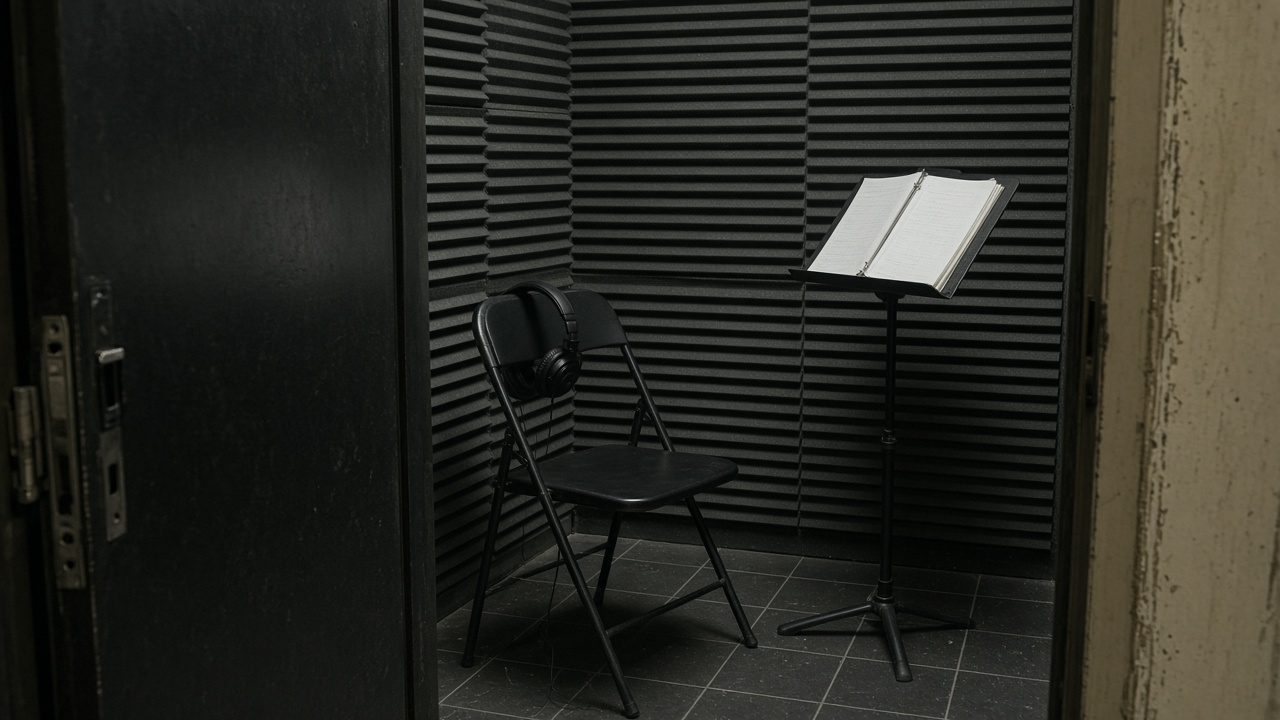
Hollywood labor negotiators reopened a narrow set of talks this week over how residual formulas should treat AI-assisted dubbing and synthetic voice matching, as studios race to localize backlog titles for streaming markets without paying traditional looping sessions for every language.
What shipped—and what studios want next
Major platforms have already released catalog series with machine-translated subtitles; the fight is over whether foreign-language audio tracks can use voice models trained on actors’ prior performances. Studios argue synthetic dubbing trims costs and speeds launches in Latin America and Southeast Asia. Unions counter that the savings come from reusing vocal likeness without new session fees or consent windows spelled out in expired contract side letters.
SAG-AFTRA’s performance-rights team circulated a draft clause requiring separate compensation when a member’s voice signature is used to generate more than a threshold of dubbed minutes. IATSE’s postproduction locals want jurisdiction over any booth work that still requires human editors to align lip flap and emotional timing after AI first passes.
Who owns the pipeline
Netflix, Disney, and Warner Bros. Discovery each rely on a mix of in-house localization vendors and third-party AI shops. None have published uniform residual tables; instead, project-based deals govern whether a synthetic track triggers reuse fees. Union researchers said that opacity makes it impossible for performers to audit whether their voices appear in territories they never booked.
The Copyright Office’s ongoing AI study has not resolved whether voice timbre alone enjoys the same protections as scripted dialogue, leaving contract language as the primary guardrail for now.
Audience being sold
Streamers market “day-and-date” global drops to investors, but quality control varies. Test screenings in bilingual markets show viewers tolerate synthetic dubbing on reality and unscripted formats more than on prestige drama, where mismatched breath sounds break immersion. That split gives unions leverage on scripted tiers while leaving reality crews exposed.
Voice actors who record scratch tracks for animation said studios increasingly ask them to sign broad likeness releases up front, before knowing whether AI vendors will clone those sessions for foreign markets. Agents are pushing back with riders that cap territories and require renegotiation after five years.
Strike talk without a full work stoppage
Leaders stressed these are targeted bargaining sessions, not a return to the 2023 dual strikes. Still, ADR coordinators reported holdouts on new episodic series until producers sign memoranda acknowledging human “finishing” hours even when AI generates first-pass audio.
What happens next: if no agreement lands before fall pilot season, expect showrunners to budget traditional dubbing for awards contenders while experimenting with synthetic tracks only on library revivals—creating a two-tier catalog that guilds may challenge as discriminatory among members.
International guild affiliates are watching closely: dubbing residuals in Canada and the United Kingdom use different collective agreements, and U.S. settlements could become a template—or a loophole studios exploit by routing AI work through offshore vendors.