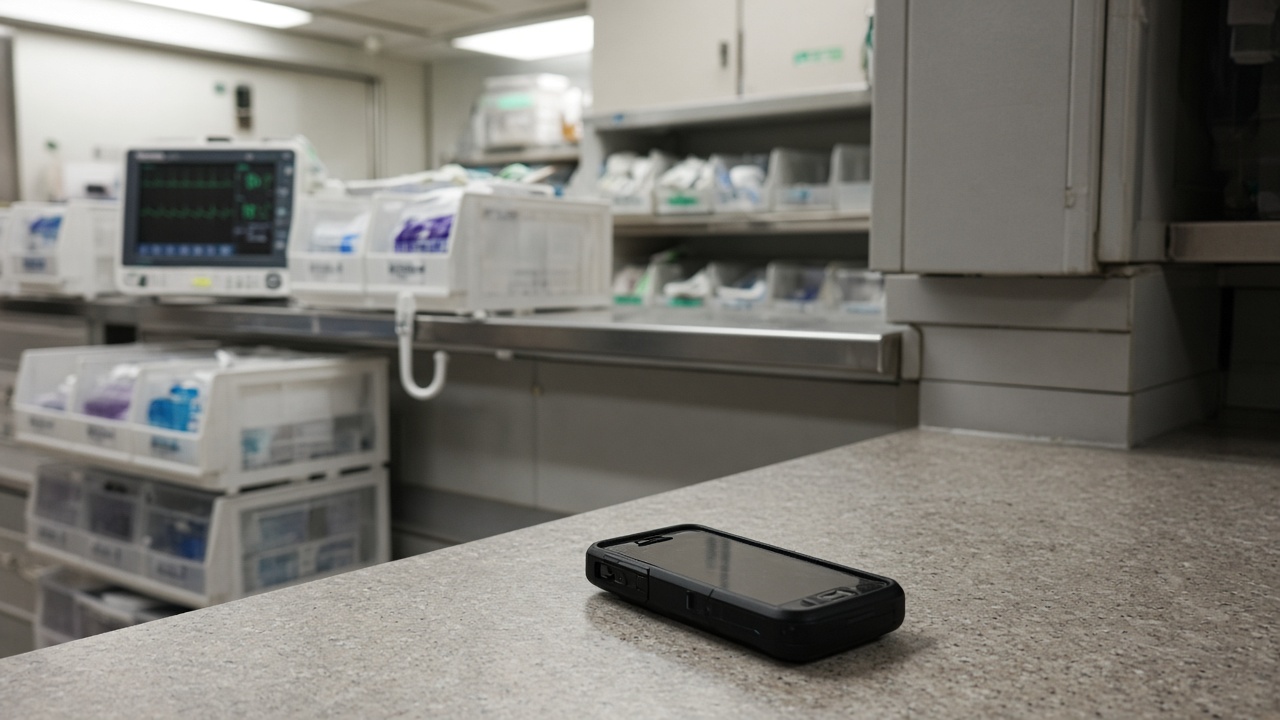
Three U.S. hospital systems began piloting on-device triage models in emergency departments this quarter while HIPAA auditors scrutinize how patient data stays on secured handsets, according to compliance officers and clinical informatics leads interviewed by InfoHandle.
What runs on the phone
The pilots use FDA-cleared software that scores chief-complaint text and vital signs locally, suggesting acuity bands before a nurse confirms placement in the queue. Models ship as encrypted bundles updated monthly over hospital VPNs; raw free-text notes never leave the device for cloud inference during the trial phase.
Clinicians at a Midwest academic center said the on-device path cut median time-to-triage documentation by forty seconds per patient during overnight shifts, when attending coverage is thin. Gains are modest in aggregate minutes but meaningful when ambulances stack in the bay.
Why HIPAA auditors care
Office for Civil Rights examiners added questions about edge AI in their 2026 audit protocol. Investigators want proof that deactivated phones wipe model caches, that backup images exclude patient identifiers, and that vendor support technicians cannot silently enable cloud fallback.
One health system’s privacy office produced a data-flow map showing inference occurring inside an ARM secure enclave with keys tied to hospital-managed hardware attestation. Auditors accepted the diagram but requested penetration-test reports demonstrating that misconfigured Wi-Fi cannot exfiltrate embedding vectors derived from names or dates of birth typed into triage forms.
Claim versus bedside reality
Vendors market “zero cloud” architectures, yet integration layers still ping enterprise identity servers for clinician login. Hospitals distinguish between PHI processed on-device and metadata sent to SIEM tools for security monitoring—a nuance compliance trainers now cover in annual HIPAA refreshers.
Emergency physicians caution that models trained on suburban demographics mis-score pain presentation in some populations. Pilots mandate nurse override buttons with logged reasons, creating feedback loops vendors promise will inform the next on-device bundle without uploading identifiable charts.
Procurement and liability
Contracts allocate malpractice tail risk: hospitals retain clinical authority; vendors warrant software only for FDA-indicated uses. Legal teams inserted clauses requiring vendors to notify customers within seventy-two hours if a model update changes risk thresholds materially—a response to a 2025 incident where a silent update shifted pediatric fever protocols at a unrelated site.
Insurers asked whether on-device triage counts as practicing medicine via algorithm. Hospital counsel answered that tools remain decision support, with RNs signing orders. Underwriters accepted that framing for pilot premiums but reserved repricing if auto-escalation features expand.
IT operations and six-month support
Biomedical engineering now stocks spare rugged phones with preloaded models because emergency departments cannot afford downtime while IT reimages devices. Battery swaps and cracked screens became triage bottlenecks in one pilot until clinics issued shared carts with hot-spare handsets.
Help desks trained on a new playbook: if inference latency spikes, reboot the enclave driver before opening a vendor ticket. That first-line step reduced overnight pages to AI vendor SREs by half, according to an informatics director.
What evaluators still cannot verify
External researchers cannot independently audit proprietary on-device weights without hospital partnership. Published fairness metrics cover benchmark charts, not every dialect patients use in spoken intake translated to text. NIST-aligned safety harnesses for clinical LLMs exist, but ED triage models use smaller classifiers outside those bundles.
Systems expanding pilots to urgent-care satellites next year will need repeatable audit evidence that each site’s device fleet matches the approved configuration baseline—a paperwork burden sources say will determine whether on-device triage scales past demonstration grants or stalls in compliance committees.
Rural and community hospitals
A community hospital coalition in the Mountain West joined one pilot to see whether on-device models reduce transfers to tertiary centers. Early data show fewer low-acuity helicopter flights, but sample sizes are small and auditors want six months of logs before endorsing wider rollout.
Telehealth vendors offered cloud triage overlays; hospitals declined, citing OCR guidance that business associates cannot process PHI through unapproved inference paths even if latency is lower.
Staff training load
Nursing leaders added four-hour modules on interpreting model suggestions and documenting overrides. Union representatives insisted compensation for training time, settling on stipends tied to completed simulations rather than hourly overtime—a template other systems may copy if pilots expand.