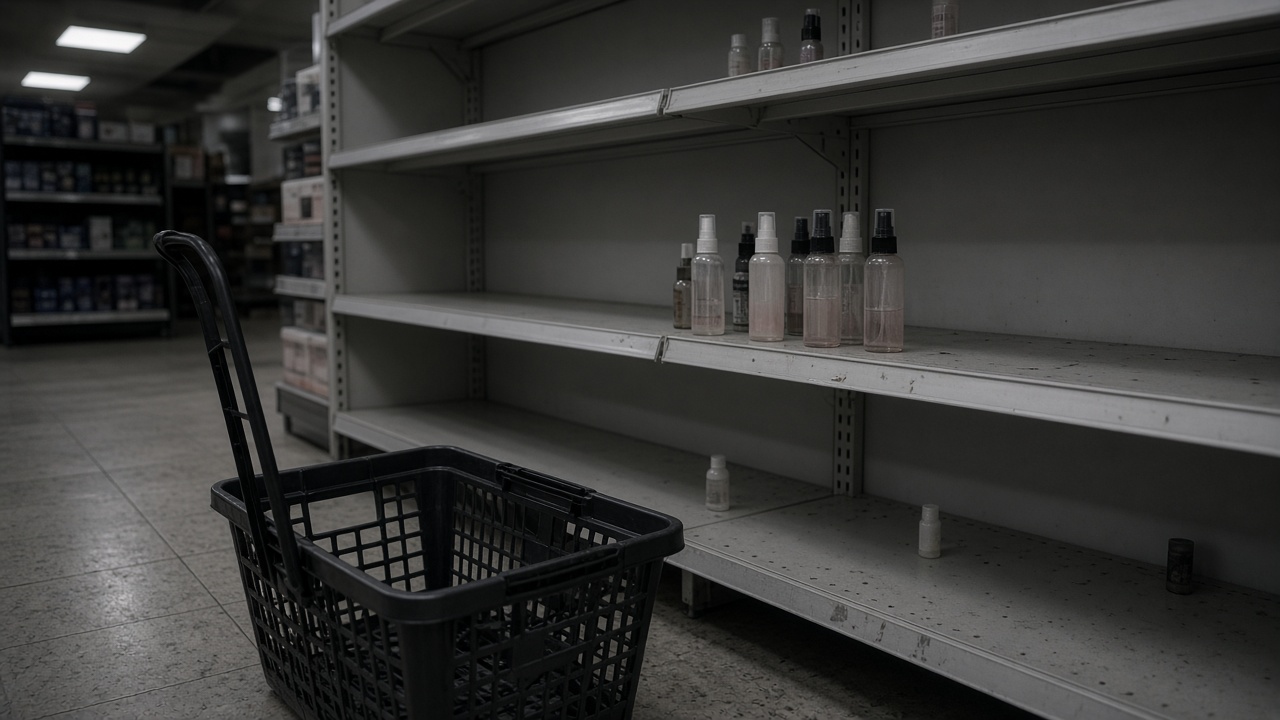
Humidity-proof makeup SKUs cleared from Target, Ulta, and regional grocers across the Southern heat belt this week as heat indexes topped triple digits and commuters searched for products that would not slide off during outdoor work and school pickup lines.
What is in the bottle
Retailers said the fastest movers combined silicone-heavy primers—often dimethicone or cyclopentasiloxane up front on ingredient labels—with film-forming polymers in setting sprays marketed as “grip” or “shield” finishes. Those formulas create a water-resistant layer on top of pigment, which chemists say helps until mechanical friction or heavy sweating breaks the film.
“Oil-free” claims on labels do not mean irritation-free; the Food and Drug Administration regulates cosmetics for safety and labeling but does not approve products before sale. Dermatologists note that occlusive layers can trap sweat and worsen breakouts for acne-prone users in humid climates.
Who sold the claim—and what evidence exists
Brand campaigns cite consumer perception studies and before-and-after photography under studio lights, not randomized trials in 90-degree parking lots. The American Academy of Dermatology recommends broad-spectrum sunscreen as the base layer; makeup with SPF often under-delivers because users apply too thin a coat.
Influencer haul videos drove spikes for two indie brands that emphasize “Southern humidity tests,” but ingredient decks largely mirror mass-market formulas at higher price points.
National Weather Service heat advisories across Louisiana, Mississippi, and Georgia coincided with the sellouts, reminding readers that makeup performance is secondary to hydration and shade when heat indexes exceed safe outdoor work thresholds.
Who this is for
Outdoor workers, wedding parties, and marching-band parents are the practical audience—not people seeking all-day coverage without reapplication. Pharmacists in Houston and Atlanta said customers asked whether setting sprays interact with prescription retinoids; clinicians advise applying medication first, waiting for skin to dry, then using lightweight gels rather than heavy silicone stacks if peeling is a concern.
Beauty counters in Birmingham and New Orleans reported wait lists for shade-matched tinted moisturizers with the same polymer technology as setting sprays, suggesting buyers want lighter coverage that still survives commutes from parking lots to air-conditioned offices.
Supply catching up
Distributors told InfoHandle that replenishment trucks are prioritized to Gulf Coast ZIP codes before fall fashion resets ship to northern stores. Until stock normalizes, dermatology groups suggest carrying blotting papers and a single cream product instead of layering multiple long-wear claims that clog pores when humidity keeps sweat from evaporating.
Store managers said they are capping online orders for the most viral sprays to keep walk-in customers from facing completely bare shelves, a retail tactic more common during holiday toy runs than cosmetics aisles.
Clinicians repeated that no cosmetic film replaces sun-protective clothing and scheduled breaks when heat advisories are in effect, regardless of how long a primer claims to hold.