MisoCell, a Kyoto fermentation startup, said Monday it shipped its first EU-bound pallets of cultured soy sauce produced without multi-year koji aging, after Dutch regulators accepted a novel-food notification for restaurant trials in Amsterdam and Rotterdam.
What cultured soy sauce means here
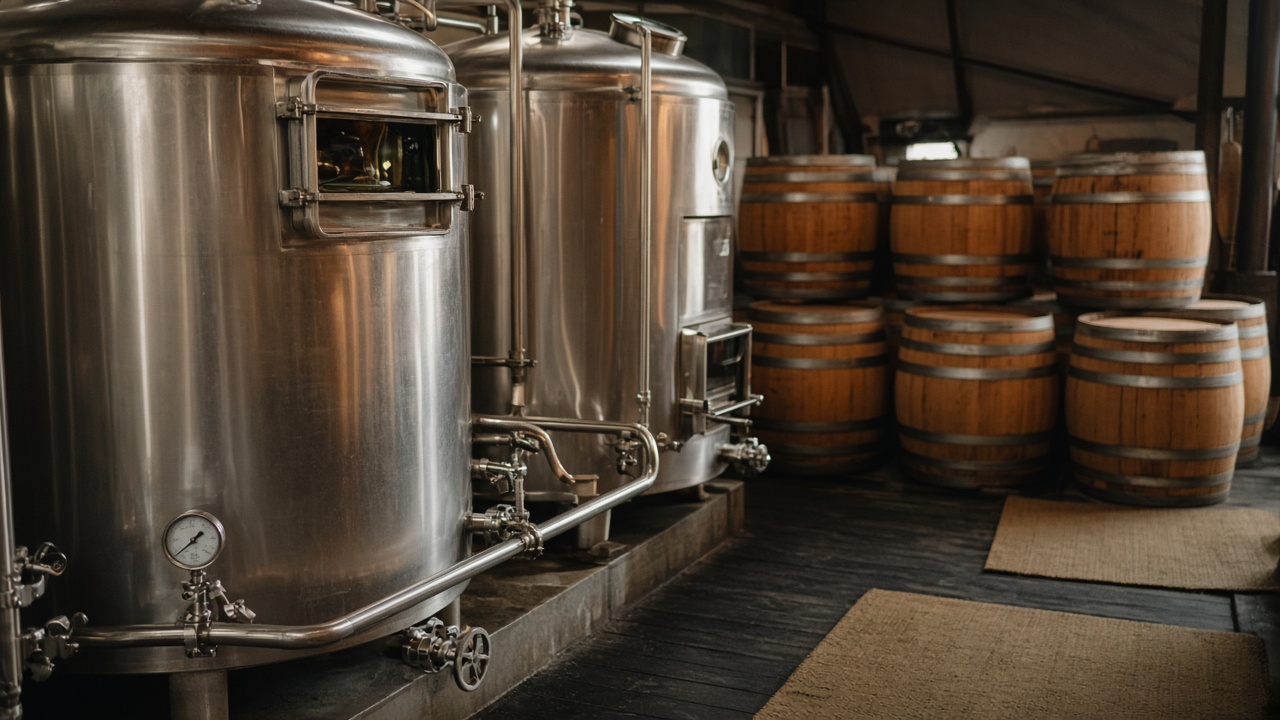
Traditional shoyu relies on Aspergillus oryzae mold breaking down soy proteins in cedar vats over seasons. MisoCell instead cultures soy peptides in stainless bioreactors with a consortium of lab-selected microbes, hitting target amino nitrogen levels in days rather than months. The resulting liquid is pasteurized, filtered, and blended with salt brine to match koikuchi flavor profiles chefs expect in kaiseki broths.
Chief fermentation officer Dr. Yui Nakamura said the process uses 68 percent less water than small-batch wooden barrel lines the company studied in Fushimi, important as Kyoto prefecture tightens industrial water draws during drought summers.
Regulatory path into Europe
EU novel-food rules treat ingredients without significant pre-1997 consumption history as notifications requiring safety dossiers. MisoCell filed through a Rotterdam importer partner, submitting allergen panels, heavy-metal screens, and three-month rat feeding summaries accepted under simplified procedures for fermentation-derived sauces.
Shipments are labeled “cultured soy seasoning” until full trademark marketing clears; restaurants may not retail bottles to consumers without another label revision. MAFF’s export hygiene certificate accompanied the pallet, citing HACCP controls audited in June.
Customers and positioning
Initial buyers are Nordic-Japanese fusion kitchens and a ramen chain testing double broths where fermented depth must stay consistent despite variable EU wheat prices. Nakamura said chefs care more about glutamic balance than heritage storytelling, though Kyoto Prefecture’s industry bureau lists MisoCell in a food-tech export catalog handed to JETRO trade missions.
Domestic incumbents like Kikkoman and Yamasa declined comment, but a Kyoto cooperative brewery that supplies koji spores privately warned that calling the product “soy sauce” on menus could confuse diners seeking PDO-style craftsmanship.
Production scale and economics
MisoCell’s pilot plant in Uji can output 12,000 liters per month, tiny compared with industrial giants yet enough for specialty distribution margins. The EU shipment totals 4,800 liters in flexitanks—about one sea container—priced at a premium to commodity imports from Southeast Asia.
Investors from Coral Capital and a Kyoto University venture fund backed a ¥480 million Series A in spring 2026 to add a second bioreactor train and to fund sensory panels comparing cultured batches against aged references from local brewmasters who signed nondisclosure agreements.
Sustainability claims under scrutiny
Life-cycle analysts hired by the startup estimate 41 percent lower greenhouse gas intensity versus barrel-aged shoyu, mostly from shortened curing and reduced firewood used to heat traditional breweries. Third-party verification is scheduled for 2027; EU buyers asked for the report before expanding beyond trial menus.
Water recycling loops capture condensate from sterilization to rinse tanks, a detail Kyoto’s environmental department highlighted in a subsidy application for green food manufacturing.
Risks on the horizon
Currency swings matter: euro receipts help hedge yen costs, but a stronger yen could erase margin on the next shipment. Microbial drift in bioreactors is another engineering worry; MisoCell sequences batches weekly and pauses exports if allele frequencies shift beyond control charts.
If restaurant trials succeed, grocery listings will require additional EU label claims and possibly separate UK approval post-Brexit. Nakamura said the company will not chase supermarket aisles until chef endorsements solidify.
What success looks like
MisoCell wants ten Amsterdam-area restaurants serving cultured shoyu through winter menus, with blind taste scores within ten percent of premium imported koikuchi. Kyoto officials hope the shipment signals that fermentation IP can export without cloning century-old wooden vats—provided regulators and chefs agree the flavor belongs in the soy sauce conversation at all.
For EU diners, the first proof will be a ramen bowl, not a press release: whether cultured seasoning carries the umami depth of a Kyoto morning market without waiting three summers in cedar.
Domestic channel plans
MisoCell will keep selling tasting sets through Kyoto hotel gift shops while EU trials run, using the same bioreactor lots with different label claims. Nakamura said export volume will not divert domestic supply because the Uji plant’s second train comes online in November, doubling capacity without expanding the building footprint—a constraint imposed by the city’s heritage zoning near tea fields.
Food safety lawyers noted that cultured sauces still face Japan’s Food Labelling Act debates over whether “醤油” belongs on bottles without koji aging; the startup uses “fermented soy seasoning” domestically until the Consumer Affairs Agency finishes a working group report expected in 2027.