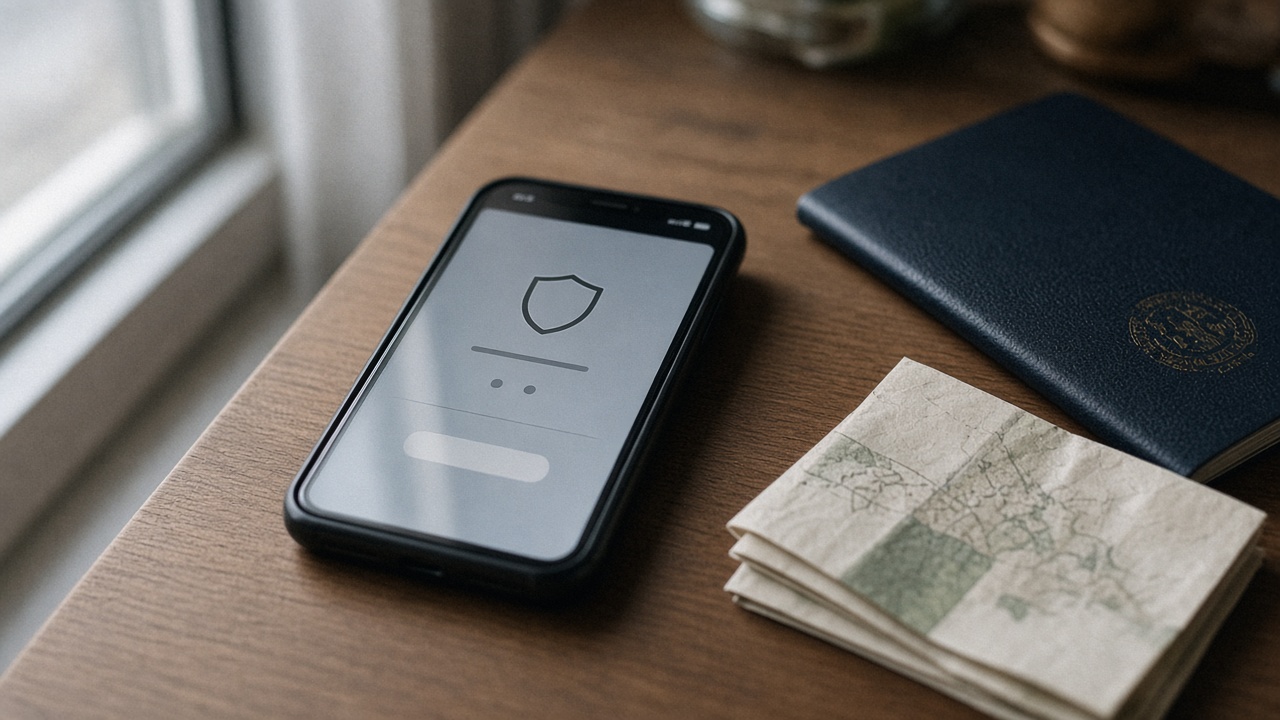
Rakuten Card Co. is tightening step-up authentication rules for overseas e-commerce transactions starting September 19, two days before Respect for the Aged Day kicks off Silver Week travel. The change follows a summer surge in card-not-present fraud where stolen credentials were used on hotel aggregators, airline add-on fees, and duty-free preorder sites popular with Japanese shoppers.
What cardholders will notice
Transactions flagged by Rakuten’s risk engine—often mid-sized purchases in euros or U.S. dollars from merchants without strong 3-D Secure participation—will trigger push notifications in the Rakuten app requiring one-tap approval or a one-time password. Declines will rise temporarily for autopay subscriptions abroad unless cardholders whitelist merchants in advance.
Customer service scripts shared with call-center partners emphasize that the rules are seasonal but not temporary: Silver Week is a fraud peak because consumers book travel while distracted and because phishers mimic holiday bonus campaigns. Rakuten is not lowering point accrual on overseas spend; it is adding friction only where models score elevated loss rates.
Fraud patterns the NPA has flagged
National Police Agency cybercrime summaries show online payment fraud reports climbing year on year, with overseas merchant IDs appearing more frequently in September cases linked to fake travel deals. Criminal groups test card numbers bought on dark markets against weakly protected checkout pages, then rush luxury goods shipments before issuers catch up.
Rakuten’s fraud team cooperates with industry forums organized by the Japan Credit Association, sharing merchant category codes that spiked in August. Airlines and OTAs with robust 3-D Secure see fewer false positives; boutique hotels sometimes do not, which is why Rakuten’s new rules target merchant tiers rather than countries alone.
Regulatory backdrop
Financial Services Agency payment-settlement guidance encourages issuers to adopt risk-based authentication without choking legitimate inbound and outbound tourism spend. Rakuten briefed the FSA on its parameter changes last week, according to a person familiar with the meeting. No formal order was required; the move is issuer-led.
Consumer Affairs Agency advisories this month warned about phishing SMS pretending to be parcel redelivery notices ahead of holidays—another vector that yields card data when victims click through to fake payment pages. Rakuten’s app alerts now cross-reference device fingerprints with recent SMS scam reports in Tokyo and Osaka.
Impact on Silver Week spending
Travel agencies expect a minority of bookings to need manual approval at checkout, potentially frustrating late-night hotel upgrades. Rakuten is staffing its fraud operations center through the holiday week and promises median review times under three minutes for flagged transactions.
Point-heavy customers who stack Rakuten Card with marketplace purchases may notice more prompts when buying foreign SIM cards or rail passes online. In-store contactless spending overseas is unchanged if the terminal supports chip PIN or issuer tokenization.
Competitive positioning
Other major issuers—Mitsubishi UFJ NICOS, Sumitomo Mitsui Card, and JCB—have run similar seasonal risk campaigns without publicizing merchant-tier changes. Rakuten’s transparency may win praise from regulators even if social media complains about false declines spike briefly.
Merchants in Rakuten’s own travel marketplace already use unified login, giving the issuer more signal than standalone OTAs. The company hopes cross-ecosystem data cuts fraud losses without reducing overseas interchange revenue, which grew as yen weakness encouraged shopping on U.S. sites.
Practical tips for travelers
Cardholders should update app permissions, enable travel notices in profile settings, and avoid entering card numbers on links from unsolicited messages. Whitelisting recurring merchants before departure reduces checkout friction at airports.
If a legitimate purchase is declined, Rakuten’s English-language helpline can override holds after verbal identity checks. The issuer said overrides will not disable the new rules permanently—they reset after the holiday window when fraud models relax thresholds.
What metrics investors watch
Rakuten Group reports card segment profit quarterly; fraud charge-offs are a small line but affect marketing budgets for point campaigns. Lower loss rates support richer Super Sale events in November. For now, the story is protective tightening before Japan’s busiest autumn travel stretch, not a change to credit limits or foreign transaction fees.