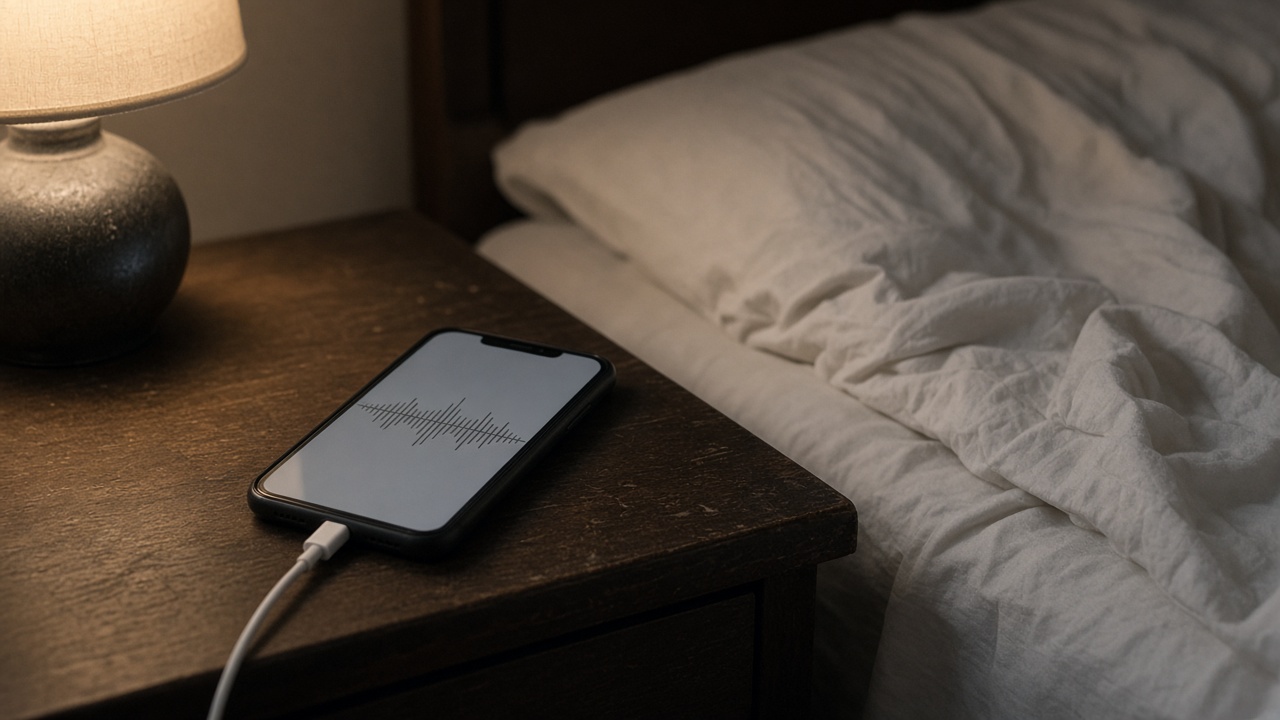
Long-distance couples said they are leaning on asynchronous voice notes to stay connected when breaking news alerts derail scheduled video calls, a pattern relationship counselors report more often this month as conflict coverage spikes screen time on both coasts.
Who these couples are
The arrangement is common among dual-career partners—travel nurses, offshore energy schedulers, graduate students on different academic calendars—who already juggled time zones before headlines added a second clock. They are not seeking therapy on an app; they are trying to preserve intimacy when one partner doomscrolls pipeline attack updates while the other is in a client meeting.
What institutions sit on them
Employers’ return-to-office mandates shrink the windows when partners can talk live. Military and contractor households face operational security rules that forbid discussing deployment details on open video links. Newsroom push alerts from major outlets and government travel advisories arrive on the same devices couples use for good-night messages, blurring urgency between geopolitics and relationship maintenance.
What they tried—and what failed
Several pairs told InfoHandle they abandoned “read receipts” on messaging apps because seeing a partner online but not replying during a crisis felt worse than delayed audio. Voice memos let them narrate worry without demanding an immediate response, preserving tone that flat text strips away.
Scheduled Sunday calls still collapsed when one partner stayed glued to cable coverage of congressional war-powers votes. Attempts to share a single news digest devolved into debates over sourcing rather than emotional check-ins.
Pew Research surveys on news habits show many adults feel worn down by constant alerts yet still believe staying informed is a civic duty—tension that lands hardest on households split across time zones when crises unfold overnight for one partner and during breakfast for the other.
What is not universal
Therapists caution that voice notes can become monologues if couples never sync live for hard conversations. The American Psychological Association recommends naming media boundaries—not banning news, but agreeing on a “captain” who summarizes major developments once daily.
Developers of couple-focused apps report higher completion rates on short audio prompts than on journaling features, yet data is self-reported and skews young. This is a coping tactic for alert-saturated weeks, not proof that async audio fixes deeper trust issues.
Next steps couples describe
Some created shared playlists and separate group chats for news links, keeping their private thread for mundane logistics and affection. Others set phone focus modes during dinner hours, accepting that they will catch up on headlines later rather than interrupting each other’s work shifts with partial information.
Counselors who specialize in military families said voice notes also help when one partner cannot discuss deployment locations on video; audio can be listened to with headphones without broadcasting sensitive context to a shared apartment.