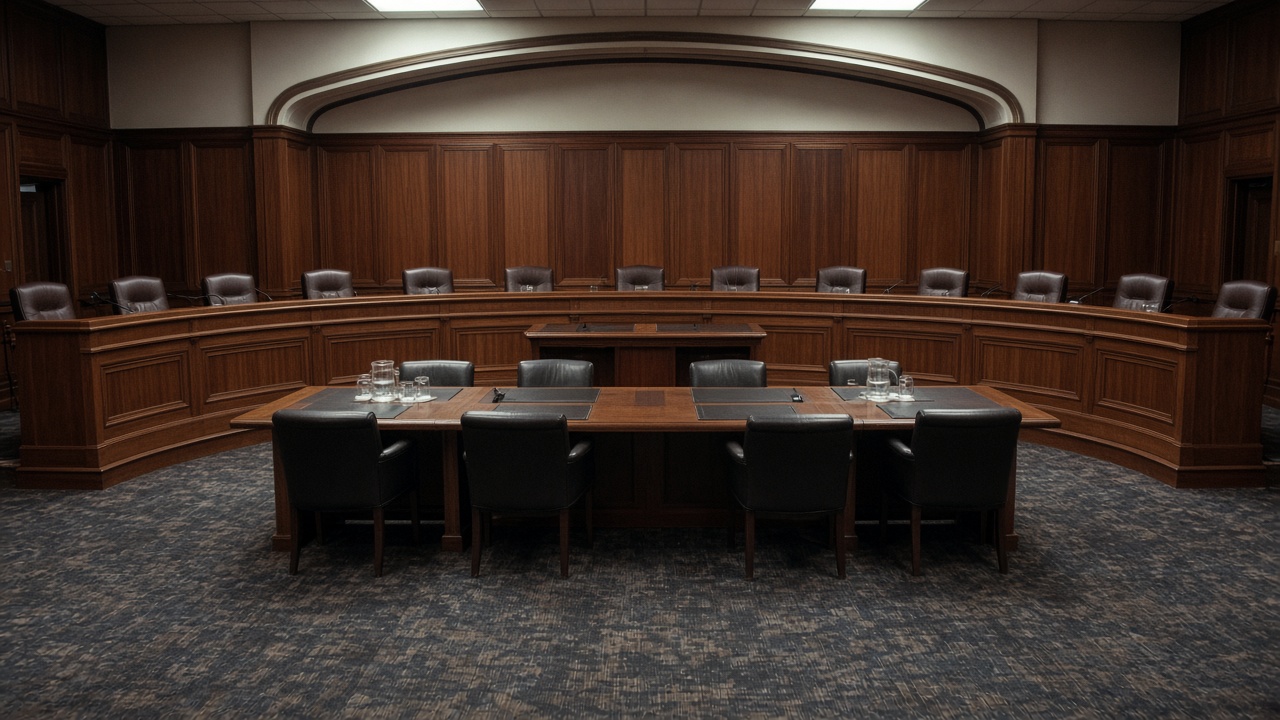
The Senate Banking Committee set a September 24 hearing on energy pass-through pricing, putting fuel retailers, payment networks, and consumer advocates under oath to explain why wholesale Gulf spikes reach pump signs within days while Brent retreats can take weeks to show up.
What prompted the calendar slot
Chair staff cited this month's Petroline outage, diesel scarcity talk, and complaints from regional banks financing convenience-store chains that saw margin calls when rack prices jumped overnight. Democrats on the panel paired those stories with credit-card issuer moves—also reported in this edition—to cap gas rewards while boosting grocery multipliers.
Republicans signed onto the hearing notice but framed it as oversight of "price gouging narratives," not new price controls. Either way, the vote calendar matters: the session lands days before fiscal-year funding deadlines when gasoline anecdotes dominate town halls.
Questions witnesses will face
Staff questionnaires ask retailers to document how often posted street prices change relative to local wholesale boards, and whether franchise contracts slow decreases. Payment networks must explain interchange and fraud fees on high-ticket fill-ups during crisis weeks when chargebacks also rise.
Consumer Financial Protection Bureau liaisons were invited to describe complaint trends even though fuel pricing sits outside direct CFPB rulemaking—an jurisdictional tension likely to surface in opening statements.
Whip count and outcomes
No legislation is scheduled for a markup alongside the hearing. Sponsors nonetheless floated disclosure bills requiring stations to post the timestamp of their last rack purchase—a transparency play modeled on airline fare rules. Industry lobbyists said unified GOP opposition would kill binding mandates this Congress, but subpoena power alone could shift settlement talks.
Majority Leader John Thune has not endorsed those disclosures, focusing instead on export-ban messaging that our opinion desk critiqued today. Banking staff say they want a factual record before linking pass-through fights to distillate export politics.
Concrete district effects
Aides highlighted Iowa and Georgia corridors where truck stops anchor small-town tax bases; when wholesale diesel touched scarcity premiums, some owners stopped promotional coffee bundles not because beans cost more but because cash flow went to tanks. Community banks financing those operators faced covenant reviews—a ripple Senate staff will put in the record.
What changes after testimony
Even without a bill, prior Banking hearings on swipe fees preceded voluntary network concessions. Fuel pass-through may follow that pattern if chains fear brand damage going into a high-mileage election autumn.
For now, the hearing is a procedure on the calendar with real money at stake: who captures the lag between Yanbu headlines and the numbers on corner signs. Senators who show up asking for timestamps—not slogans—will determine whether the session is theater or leverage.
Document requests
Committee staff sent document requests to three national chains and two payment networks ahead of the hearing, seeking internal emails about pricing algorithms during the Yanbu outage week. Responses are due before public testimony, giving members ammunition even if no bill advances.
State attorneys general in the Southeast said they may parallel the inquiry under consumer protection statutes, a federal-state overlap retailers hoped to avoid. Banking jurisdiction does not preempt every price transparency push.
Witness lists remain fluid, but staff confirmed at least one regional banker and a fleet fuel buyer will appear alongside trade association counsel. Their anecdotes will anchor whip counts more than macro oil slides.