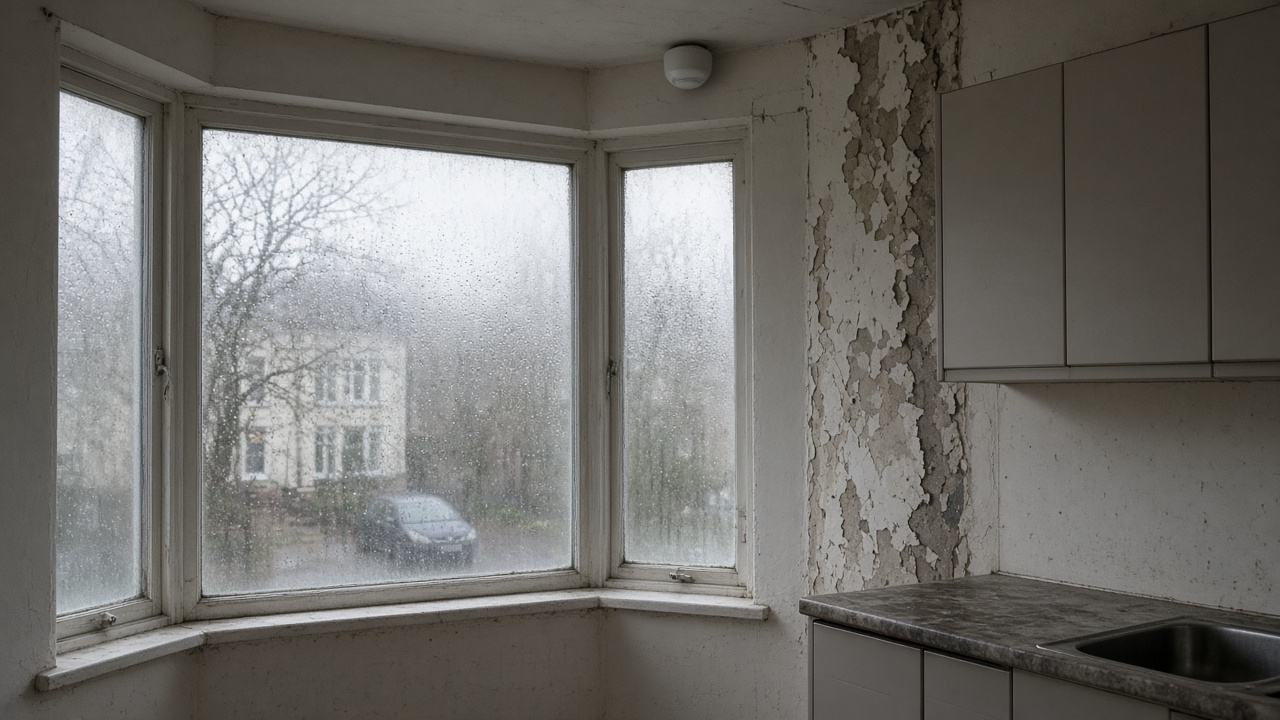
Cardiff proptech firm DampSense closed a £1.2 million angel round led by Welsh angel network TechSeed to deploy humidity and mould-risk sensors in privately rented flats across south Wales, the company said Thursday, betting that landlords will pay for telemetry before Awaab’s law timelines force faster remediation. The hardware pairs wall-mounted nodes with a dashboard that flags sustained relative humidity above sixty percent and temperature deltas that predict condensation behind furniture.
What the product does
Each node samples air every five minutes and uploads via LoRaWAN gateways installed in bin stores or hallways so tenants do not share landlord Wi-Fi passwords. Algorithms weight bathroom spikes after showers against background ventilation, producing a mould-risk score rather than raw graphs landlords might misread. When scores stay red for seventy-two hours, the system prompts contact with approved drying contractors; optional integrations email council environmental health teams if landlords ignore escalations.
Founders began prototyping after Cardiff Bay flat viewings showed black mould behind wardrobes that visual inspections missed until move-in day. They argue paper damp logs fail because tenants fear retaliation if they complain too often.
Who invested
TechSeed syndicates contributed most of the round alongside angels from Bristol property management firms and a former Savills regional director. DampSense did not disclose valuation but said pre-money figures stayed below eight million pounds, typical for pre-Series A Welsh hardware plays. Grants from Innovate UK’s previous smart housing competitions topped up R&D for firmware that works in stone Victorian terraces with thick walls that attenuate radio signals.
Competitors include London startups selling consumer-facing air-quality pods; DampSense targets portfolio landlords with twenty to two hundred units who need audit trails for compliance officers.
Regulatory tailwinds
Awaab’s law, named after two-year-old Awaab Ishak who died after prolonged mould exposure, sets deadlines for social landlords to investigate hazards and begin repairs. Ministers extended consultation on applying similar duties to private rentals under the Renters’ Rights Bill. Welsh ministers already expect private landlords to meet the Welsh housing quality standard, which Cardiff Council enforces through licensing schemes requiring self-declared fitness—paper DampSense wants to replace with sensor evidence.
Solicitors caution sensors do not substitute legal notices: tenants still must report issues, and landlords retain repair covenants even if dashboards look green after a dehumidifier runs.
Privacy and tenancy politics
Tenant unions asked whether continuous monitoring intrudes on household life. DampSense said devices measure humidity and temperature only—no cameras or microphones—and tenants can view the same dashboard as landlords under Welsh data protection guidance. Leases must spell out data controllers; the startup provides template clauses reviewed by Cardiff law clinic students.
Plaid Cymru councillors want citywide pilots in Plasnewydd and Roath where student HMOs overcrowd drying space; DampSense offered discounted installs if the council brokers landlord meetings.
Rollout this winter
The company will install five hundred nodes by December, focusing on Victorian conversions with external bathrooms. Installers drill minimal holes, using adhesive mounts where listed-building consents forbid penetration. Landlords pay a monthly SaaS fee per flat plus hardware deposit; angels bet arrears-sensitive portfolios will accept the cost versus compensation claims after mould-related disrepair cases rose in county courts.
If humidity alerts cut emergency callouts, DampSense plans a Series A to expand to Bristol and Liverpool terraces with similar stock. For renters, the immediate hope is earlier fixes before spores spread to bedding—not another app promise, but a paper trail councils can act on when landlords stall.
Installer network
DampSense hired three Cardiff electrical contractors certified under the government’s trustmark scheme so landlords can book same-week mounts. Nodes ship with tamper-evident seals so tenants know when landlords relocate sensors away from problem walls.
Housing associations watching the pilot said they may co-fund installs if dashboards export CSV histories compatible with existing repairs ticketing systems, avoiding yet another siloed portal for overstretched maintenance desks.
Energy advisers note poorly ventilated flats often spike humidity when residents underheat to save bills; DampSense dashboards include tariff reminders so landlords see when low thermostat settings correlate with mould risk rather than blaming tenants alone.