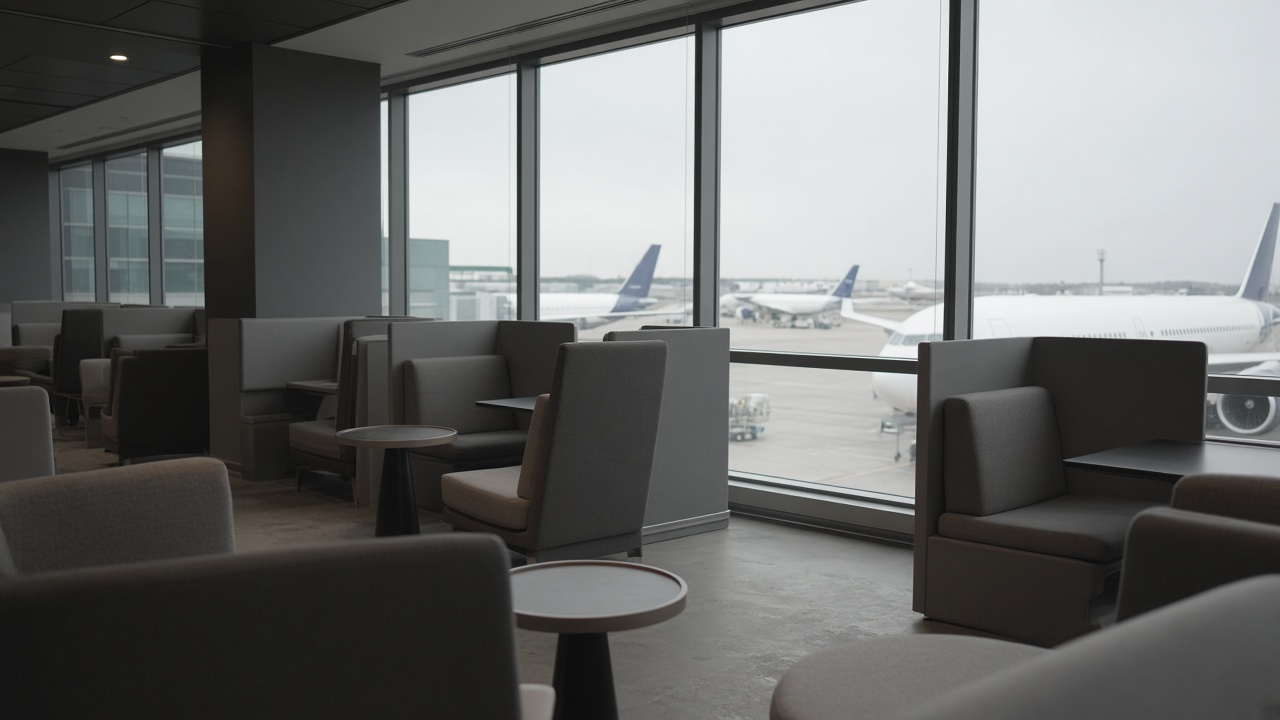
Chase Sapphire Reserve cardholders entering their first renewal at the $795 annual fee this month are meeting a lounge network that is broader on paper and tighter at the door, as Chase rolls out capacity controls at Sapphire Lounges while trimming some Priority Pass restaurant benefits.
What changed on the fee line
Chase raised the primary card fee from $550 to $795 in its June 2025 refresh, applying the new price to applicants immediately and to existing customers on anniversaries after October 26, 2025. Authorized users pay $195. Marketing materials emphasize expanded statement credits—travel, dining, StubHub, DoorDash, and partner hotel programs—but cardholders who never activate those tabs experience the increase as a straight lounge tax.
Lounge access gets more conditional
Sapphire Reserve still includes Chase Sapphire Lounges by The Club plus Priority Pass Select for 1,300+ locations, generally with two guests on the primary card. Chase’s public terms note that lounges may deny entry when at capacity and that digital wallet cards alone do not satisfy entry requirements—details that matter when Boston, LaGuardia, and Philadelphia locations draw peak crowds. The issuer also ended Priority Pass restaurant credits on Chase-issued memberships, pushing dine-in benefits toward its own lounge footprint and away from airport concessions that cardholders used to offset fees.
Travel bloggers documented waitlists at newer lounges during summer Fridays; Chase has not published numeric caps, but gate agents now issue time-limited boarding passes for overflow seating areas when main rooms fill. For a card sold on exclusivity, “access subject to capacity” reads like a benefit haircut even when the annual fee rises.
Who the product is for now
Interviews with cardholders suggest three cohorts: road warriors who can burn through hundreds of dollars of credits, hybrid travelers who value Chase’s transfer partners more than lounges, and status chasers debating whether Amex Platinum’s broader lounge coalition wins at a similar price point after Amex’s own fee increases. The first cohort can still net positive value; the second may downgrade to Sapphire Preferred at $95; the third is shopping annual fee waivers through private client relationships.
Chase gains when customers fail to use credits but still pay fees—it earns interchange on spend while unused credits expire. Tighter lounge capacity reduces per-visit subsidy costs at a time when airport real estate and staffing inflation pressure lounge P&L.
What to watch on your statement
Cardholders renewing in September and October should confirm which credits reset on calendar year versus cardmember year cycles; Chase’s refresh mixed both conventions. Missing a renewal notice does not grandfather old fee levels—anniversaries after October 26 lock in $795 regardless of when the card was originally opened.
For U.S. travelers, the story is not whether Sapphire Reserve is “worth it” in the abstract; it is whether tighter doors at Chase-owned lounges arrive exactly when the fee step-up hits renewals. Issuers are betting credits can distract from capacity limits. Cardholders who live in Priority Pass restaurants may disagree.
Business card parallel
Chase also markets a Sapphire Reserve for Business product at the same $795 price point with overlapping lounge rules, meaning small-company owners face identical capacity constraints without the consumer card’s household authorized-user workaround. Travel managers at mid-size firms said they are re-running lounge access audits because employees arriving late to capped rooms generate help-desk tickets that cost more than the lounge visit saved in airport food spend.
Chase said it continues to open new Sapphire Lounge locations, including planned Dallas and Los Angeles rooms in 2026, but cardholders counter that new doors do not help if their home airport already runs at capacity on Monday mornings. Points bloggers advising downgrade paths to Preferred cards said traffic to those guides jumped after Labor Day, a seasonal signal issuers watch when fee increases roll through renewal cohorts.
Customer service representatives at Chase travel benefits lines reported longer hold times since the fee increase took effect for early renewals, mostly from cardholders asking whether guest limits changed when lounges fill—a detail buried in updated FAQ pages rather than renewal letters.