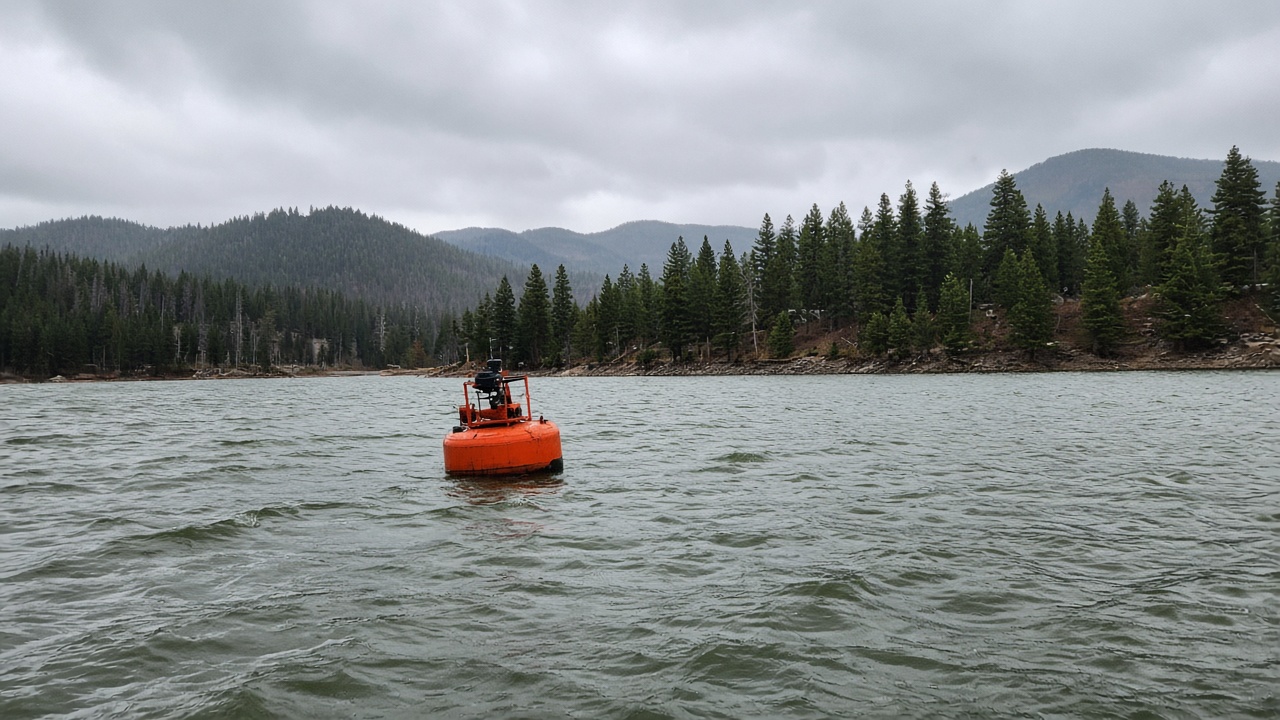
ReservoirPulse, a Denver water-tech startup, closed a $4.2 million seed round led by a Front Range climate fund and two municipal utility strategics to scale algae-bloom forecasting for Colorado reservoirs, combining buoy-mounted fluorometers with dispatch dashboards that pilot customers said beat generic satellite alerts by three to five days, according to term sheets and utility pilot summaries reviewed by InfoHandle.
What the round actually bought
The seed is priced common equity with a single board observer seat for the lead fund—not a SAFE with uncapped MFN language. Founders retained majority voting control but granted utilities pro-rata rights if they hit deployment milestones on two reservoirs outside Denver Metro.
Cash targets manufacturing of rugged buoys, cloud ingest fees for the 2027 season, and three field technicians who service sensors before runoff peaks—not a national sales team yet.
Who got diluted
Prior angel notes converted at a 20 percent discount to the seed price, diluting founders by roughly nine points on a fully diluted basis, people familiar with the cap table said. Employee option pool refreshed to 12 percent post-close, standard for infrastructure software but tight for hardware-heavy startups competing with legacy SCADA vendors.
The business in one sentence
ReservoirPulse sells subscription forecasts that tell treatment plant operators when to switch intake depths, adjust powdered activated carbon doses, or warn recreation managers—translating chlorophyll density and temperature stratification into shift-level actions.
Why utilities paid attention
Denver Water piloted the system on a foothills reservoir after 2025 taste-and-odor events triggered customer complaints despite clear regulatory compliance on pathogens. Operators said satellite bloom maps lagged local wind shifts; buoys texted alerts to on-call phones before scum lines reached intakes.
Colorado Department of Public Health and Environment staff watched the pilot but has not endorsed the product; regulators still require lab-confirmed toxin tests before public beach closures.
Hardware and model risk
Buoys lose connectivity when ice forms; winter revenue is mostly storage and model retraining on historical USGS flow data. Competitors argue generic ML on public weather feeds is enough; ReservoirPulse claims site-specific calibration cuts false positives that desensitize operators.
If the next round fails, founders said they can break even on services contracts servicing buoys for three paying districts—a fallback that sounds like consulting dressed as SaaS multiples investors will scrutinize.
Governance and data ownership
Utilities own raw sensor streams; ReservoirPulse licenses models back on annual subscriptions. Contracts let districts export parquet histories if they switch vendors—a clause Denver Water lawyers insisted on after bad experiences with locked SCADA analytics.
Insurance underwriters asked whether bloom forecasts create liability if a beach opens on a green dashboard day and toxins spike overnight; policies now cap consequential damages—a risk startups in physical world monitoring increasingly face.
What investors still do not know
Series A timing depends on closing two out-of-state pilots in Arizona and Utah scheduled for spring 2027. Until then, the story is a small seed, real dilution, and hardware that must survive hail—not a billion-dollar platform narrative.
Competitive landscape
Legacy SCADA vendors sell bloom modules as add-ons; ReservoirPulse prices standalone SaaS lower than full SCADA replacements but higher than academic models universities give away. Sales cycles run 18 months because procurement ties purchases to bond measures voters must approve.
Field operations
Technicians calibrate buoys after boat wakes tilt sensors; the startup hired former Denver Water field staff who know which coves accumulate agricultural runoff after late-summer storms—the local knowledge generic satellite vendors lack.
Revenue recognition
Accountants split hardware deposits from subscription revenue to keep SaaS multiples credible for Series A conversations. Auditors at one strategic investor insisted on that separation before wiring the check—a governance detail founders said slowed close by ten days but prevented messy restatements later.
Customer support model
Utilities get a shared Slack channel with field techs during bloom season; off-season support drops to email with 48-hour SLAs—a cost structure founders said keeps gross margins above 60 percent if churn stays below five percent annually.
Climate finance angle
The lead climate fund marketed the deal to LPs as adaptation infrastructure, not cleantech hardware, because revenue ties to operational savings at water districts rather than carbon credits—a framing that cleared investment committee objections about speculative offsets.