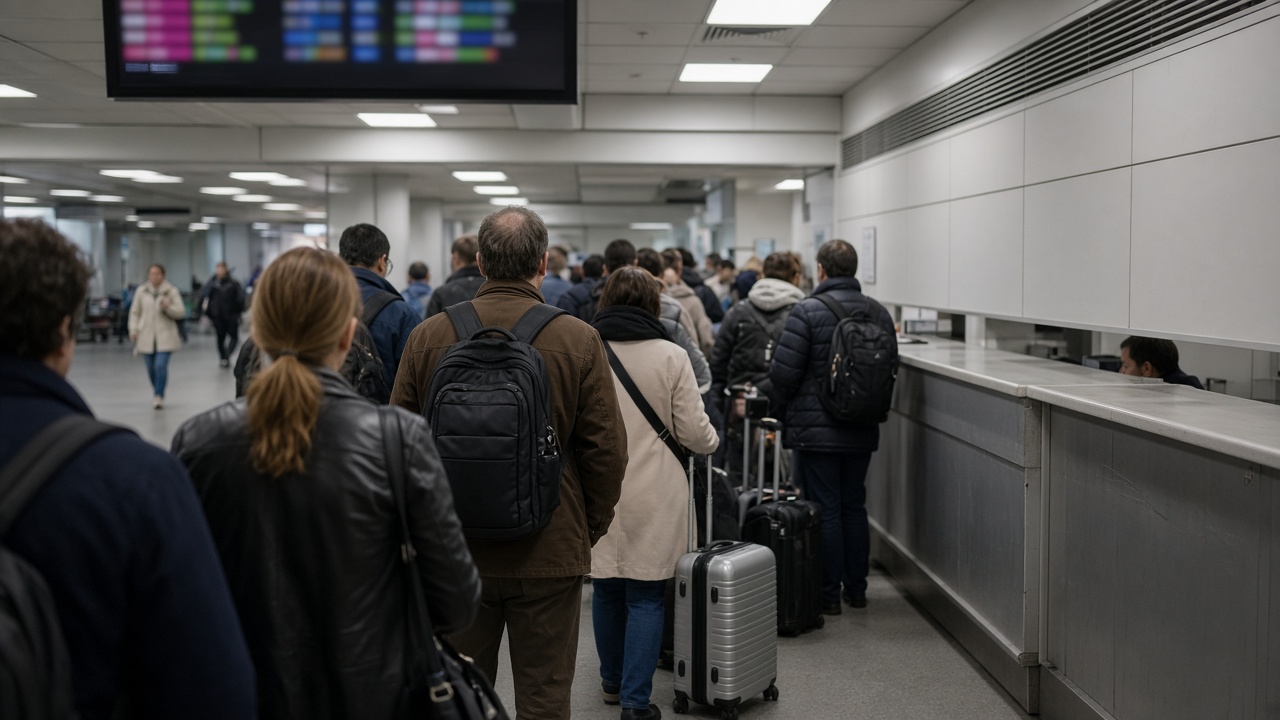
Business travelers trying to reach Houston, New Orleans, and Mobile on short notice found most Friday afternoon connections through Dallas/Fort Worth and Atlanta sold out this week, after American Airlines and Delta Air Lines rerouted capacity away from Gulf-facing spokes while still advertising through-tickets on partner schedules.
What changed on the schedule
Carriers trimmed several midday frequencies that normally feed Gulf Coast business markets when corporate travel rebounds after Labor Day. Operations teams said crew repositioning and spare-aircraft limits after summer storms left fewer 737 and A321 tails available for DFW bank three and Atlanta bank four, the afternoon waves that typically carry lawyers, energy traders, and insurance adjusters south.
Inventory systems showed single-digit seats on Houston Hobby and George Bush Intercontinental connections after 2 p.m. Central, with Atlanta–New Orleans legs clearing wait lists by Thursday night. Travel managers at Dallas energy firms reported paying walk-up fares above $900 for round trips that usually price near $400 when booked two weeks out.
Hub math versus local demand
DFW remains American’s primary connecting factory, but the hub optimizes for bank tightness, not every spoke’s last seat. When a inbound delay from the West Coast misses a 45-minute connection, the system often rebooks passengers onto Saturday morning flights because Gulf frequencies were already consolidated.
Delta’s Atlanta hub faced a similar squeeze on Mobile and Pensacola tags, routes that rely on regional jets with fewer seats than mainline jets serving Florida leisure markets. Corporate contracts with fare caps left some road warriors stranded until Monday because policy forbids buying premium economy without vice-president approval.
Why Gulf reroutes matter now
Energy and logistics firms keep contingency staff in Houston and Louisiana even when headquarters sit in Dallas or Atlanta. Hurricane-season insurance audits, port security drills, and pipeline maintenance windows cluster in September, a travel pattern distinct from beach tourism.
When connections sell out, firms dispatch charter shuttles or drive rental fleets—a cost line item that does not show up in airline on-time statistics but shows up in expense reports within days.
What travelers are doing
Travel agencies said clients are splitting itineraries: flying to Gulf hubs on Thursday night and holding refundable hotel rooms rather than betting on Friday banks. Others are routing through Orlando or Tampa with rental cars north, accepting four-hour drives when direct seats vanish.
Mobile apps that alert on seat openings helped some passengers grab cancellations, but TSA checkpoint data still showed elevated Friday volumes at DFW Terminal C and Atlanta Concourse B, suggesting many travelers simply showed up hoping for standby luck.
What happens next
Airlines told corporate account managers that additional Gulf frequencies may return after mid-September if crew training backlogs ease. Until then, the actionable read for finance teams is inventory, not rhetoric: sold-out connection banks are a measurable constraint on Gulf-facing work, and last-seat pricing is already flowing into fourth-quarter travel budgets.
Airport operators in Dallas and Atlanta said they are not adding gate capacity for the reroute crunch; the bottleneck is seats, not security lines. For now, the story is a scheduling spreadsheet with real invoices attached.