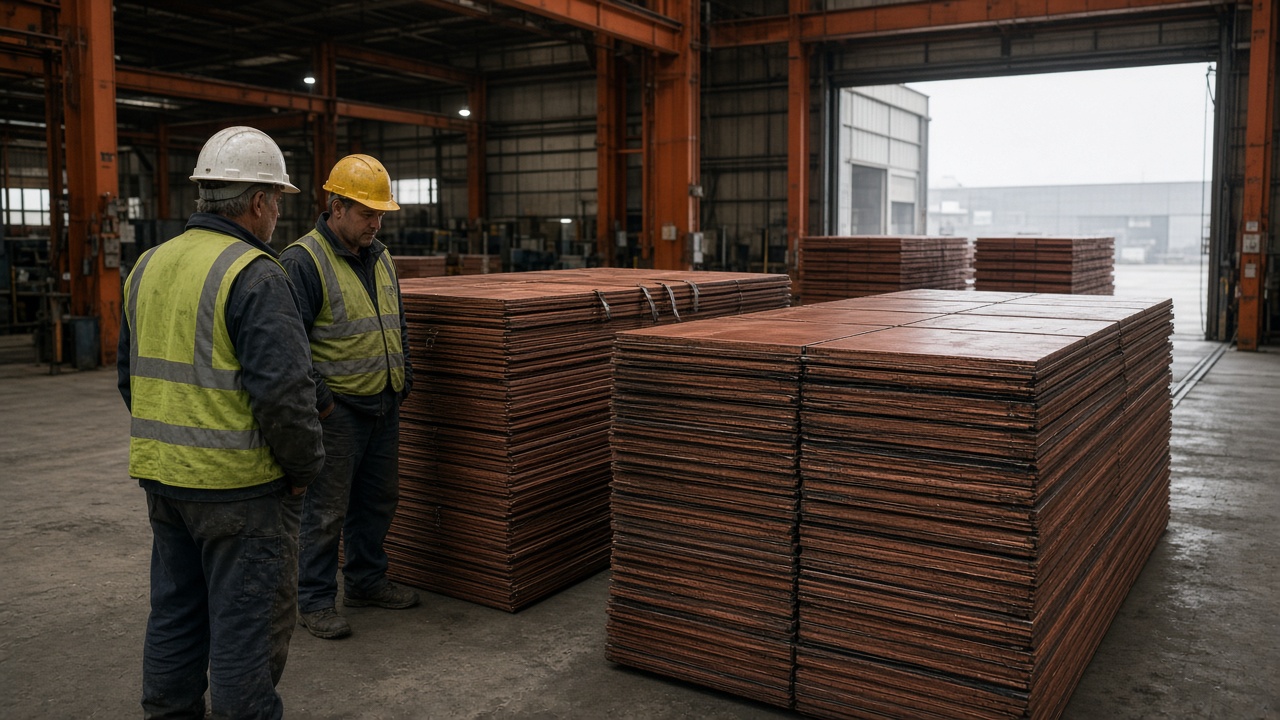
FTSE 100 miners dominated London’s blue-chip leaderboard on Thursday as three-month copper on the London Metal Exchange climbed to a six-month high, pulling Glencore, Anglo American and Antofagasta higher while banks and consumer staples traded flat.
Who led and by how much
By the close, Glencore shares added 3.8% to 632p on volume above its three-month average, Anglo American rose 2.4% to 4,328p, and Antofagasta gained 2.1% to 2,645p. The moves outpaced the FTSE 100’s 0.4% gain and reversed part of last week’s rotation into defensives after the Bank of England held rates at 3.75% with a split vote.
Marcus Hale’s read is mechanism-first: copper’s rally reflected a squeeze in visible LME inventories alongside disruption chatter at major pits in South America, not a blanket risk-on bid. Zinc and aluminium futures were only modestly higher, which kept the session’s narrative on copper beta rather than broad industrial metals euphoria.
What the street already priced
Anglo’s 2026 production guidance of 700,000–760,000 tonnes of copper was already in models before Thursday. The share price pop came from margin maths: sell-side desks recut unit-cost assumptions toward 145 cents per pound after the company trimmed guidance last month, so each $100 move in copper flows almost straight to EBITDA in sensitivity tables circulated to fund managers on Wednesday night.
Glencore carries additional trading-house exposure. Marketing earnings smoothed last year’s softer patch, but investors still treat GLEN as a leveraged play on physical tightness. The firm’s public targets—more than one million tonnes of annualised copper production by 2028—mean any sustained price spike feeds narratives about buybacks and debt paydown rather than new greenfield spend.
London listing dynamics
UK pension funds with passive FTSE 100 mandates had to buy the miners on strength, a flow that can extend one-day moves into a second session if US copper futures hold overnight. Antofagasta’s London listing makes it the purest copper torque in the index; Rio Tinto rose only 0.9% because iron ore drifted sideways.
Currency mattered at the margin. Sterling weakness against the dollar flattered dollar-denominated commodity revenues when translated back into pence, though Thursday’s move was primarily copper-led rather than FX-led according to futures-implied correlations tracked by LSE data vendors.
What would falsify the trade by Friday
A sharp inventory rebuild in Shanghai bonded warehouses or a dovish surprise from China’s property stimulus briefing could unwind the spike quickly. Traders also watch CFTC positioning for signs speculators are late to the move. Hale’s falsification test is simple: if Glencore gives back more than half today’s gain while copper stays bid, the story was equity-specific flows; if both reverse, the metal leg failed.
Corporate news risk is light until Anglo’s next operational update, but merger arb desks still hold Anglo–Teck combination spreads that widen when copper rallies because synergy values tick up. Any regulatory delay in Canada would hit Anglo harder than Glencore on a copper pullback.
Mechanism versus advice
This is a markets report, not a recommendation. The FTSE’s mining weighting means passive investors already own the torque. Active managers debate whether six-month highs in copper are a signal of structural electrification demand or a reflexive inventory cycle amplified by tariff headlines out of Washington.
For Thursday’s session, the mechanism won: tighter prompt metal, UK-listed producers with cost guidance already cut, and passive flows in a thin macro week. Until LME stocks post a sustained build, London’s miners look set to keep leading the heatmap whenever copper ticks green at the open on Paternoster Square screens.
Session context from the City
Inter-dealer brokers said afternoon volume clustered around the closing auction as commodity-linked ETFs rebalanced. Hedge funds with paired trades—long copper futures versus short UK housebuilders—added to miner demand without changing the fundamental picture. The six-month high is as much about the low registered in spring after tariff scares as about tonight’s spot price, which keeps veteran traders cautious about declaring a new supercycle from one London close.
Still, for investors watching the FTSE 100 as a global metals proxy, Thursday was the day the index remembered it is home to some of the world’s largest copper exporters—listed in pounds, priced in dollars, and sensitive to every warehouse warrant that disappears before the Asian open.