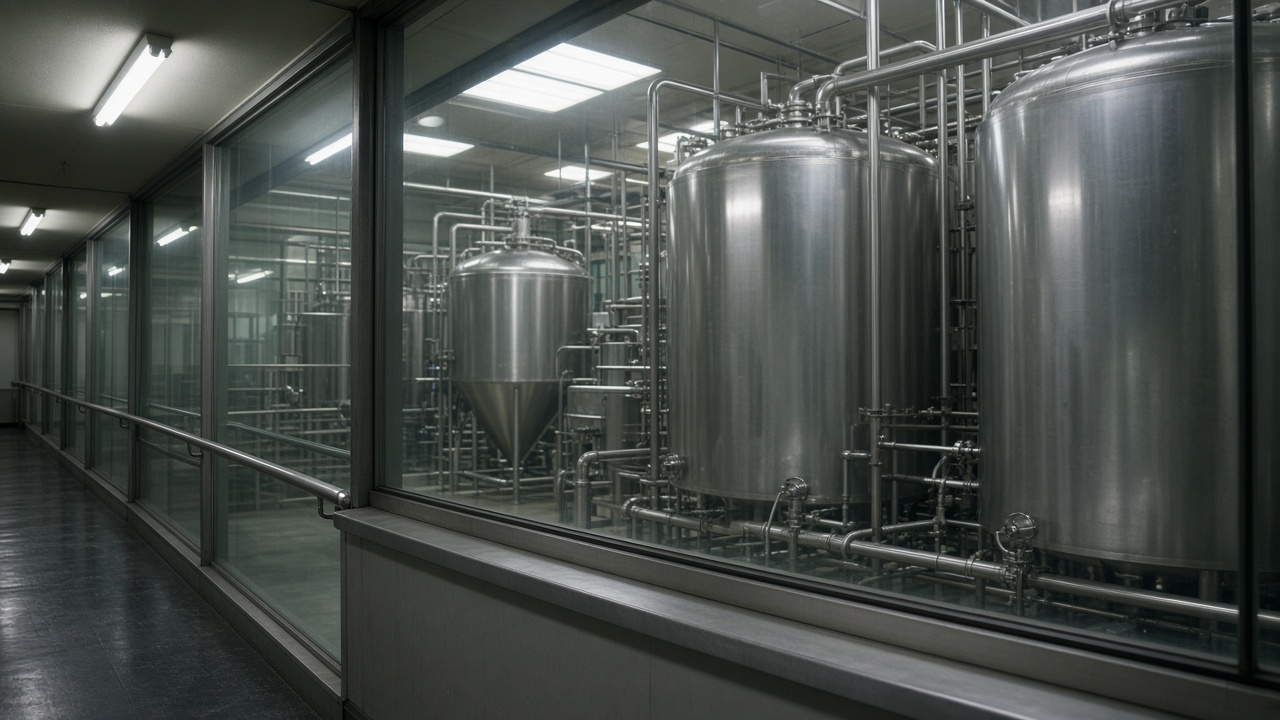
Kirin Brewery has shifted part of its draft malt mix away from Hokkaido spring barley toward North American and Australian lots at the Chitose plant, according to engineers who briefed visitors this month after rain and heat stressed the island’s 2026 harvest. The change is a sourcing adjustment, not a recipe overhaul: Ichiban draft remains all-malt, but the share labeled as domestic in ingredient disclosures is sliding toward the single digits Kirin already lists as a floor.
What workers were told
Tour guides at the Hokkaido-Chitose brewery, which marks four decades of beer production this year, said blending rooms received revised malt schedules in late August. Operators were instructed to prioritize quality-tested imports when local lots showed sprouting or thin kernels after July downpours. Employees heard that headquarters would monitor flavor panels weekly; public tasting events continued without label changes.
Kirin’s published ingredient sheet already allows barley from North America, Europe, Australia, or Japan depending on supply. The brewery did not issue a press release on the shift, but procurement staff told InfoHandle that “flex sourcing” clauses in grower contracts activated when prefectural crop reports flagged regional yield risk.
Climate pressure on Hokkaido
Hokkaido accounts for the bulk of Japan’s beer barley, typically planted in April and harvested in August. Agronomists have warned for years that earlier summers produce “thin grain” and that intense rain triggers head sprouting, which disqualifies malt. Competitors such as Sapporo Breweries are breeding autumn-sown varieties to escape peak heat; Kirin is still reliant on spring barley for Ichiban’s first-press wort.
Farm cooperatives near Furano and Tokachi reported that acceptable malt-grade volume fell short of contracted tonnage, forcing traders to buy on the spot market at a premium. Kirin hedges commodity risk, but brewers said even hedges cannot invent plump kernels when field moisture spiked.
Plant operations
Chitose draws on Naibetsu River groundwater and cans roughly 200 million units a year across twenty brands. The site is also testing green-hydrogen for steam, a parallel decarbonization project that does not solve malt supply. Silo teams said imported malt arrives via Hakodate and Tomakomai ports; extra handling adds logistics cost that finance managers may revisit in 2027 pricing talks.
Quality labs run protein and enzyme checks before mash-in. Technicians emphasized that shifting origins does not automatically change alcohol content or bitterness, but subtle mouthfeel differences can appear when North American two-row replaces Hokkaido lots. Panelists are blind-testing against archived 2025 batches.
Market and politics
Domestic barley covers only a fraction of Japan’s malt demand; imports dominate by tonnage. Still, farm-belt politicians watch brewers’ sourcing slides because local barley underpins rural jobs. Kirin participates in grower outreach programs; scaling back Hokkaido share this season may invite ministry questions even if contracts permit imports.
Izakaya owners in Sapporo said draft line reliability matters more than provenance banners, but some regional chains market “Hokkaido malt” stories during snow festivals. If import share rises through winter, marketers may soften terroir claims.
What comes next
Kirin’s medium-term answer is agronomy, not ad copy—longer-season varieties and satellite-monitored fields to catch sprout risk early. Until those breeds scale, Chitose will stay on a flexible blend. Drinkers may not taste the shift immediately; accountants and growers already do.
For workers, the fight is throughput: keep first-press lines full without shutting tanks for rework. The barley shortfall turned strategy into a weekly malt spreadsheet, and this autumn the spreadsheet says import.
Retail and pricing
Supermarkets in Sapporo have not raised six-pack prices yet; Kirin finance teams typically lag commodity moves by a quarter. Convenience-store headquarters said they watch competitor Sapporo’s autumn campaigns before adjusting shelf tags. If import malt plus yen weakness compound, draft beer margins at chain izakayas could compress before packaged lager does.
Agricultural cooperatives are negotiating 2027 planting contracts now; growers want volume guarantees if brewers widen import tolerance. That negotiation will determine whether the Chitose shift is a one-season blend or a structural step down for Hokkaido barley acreage.