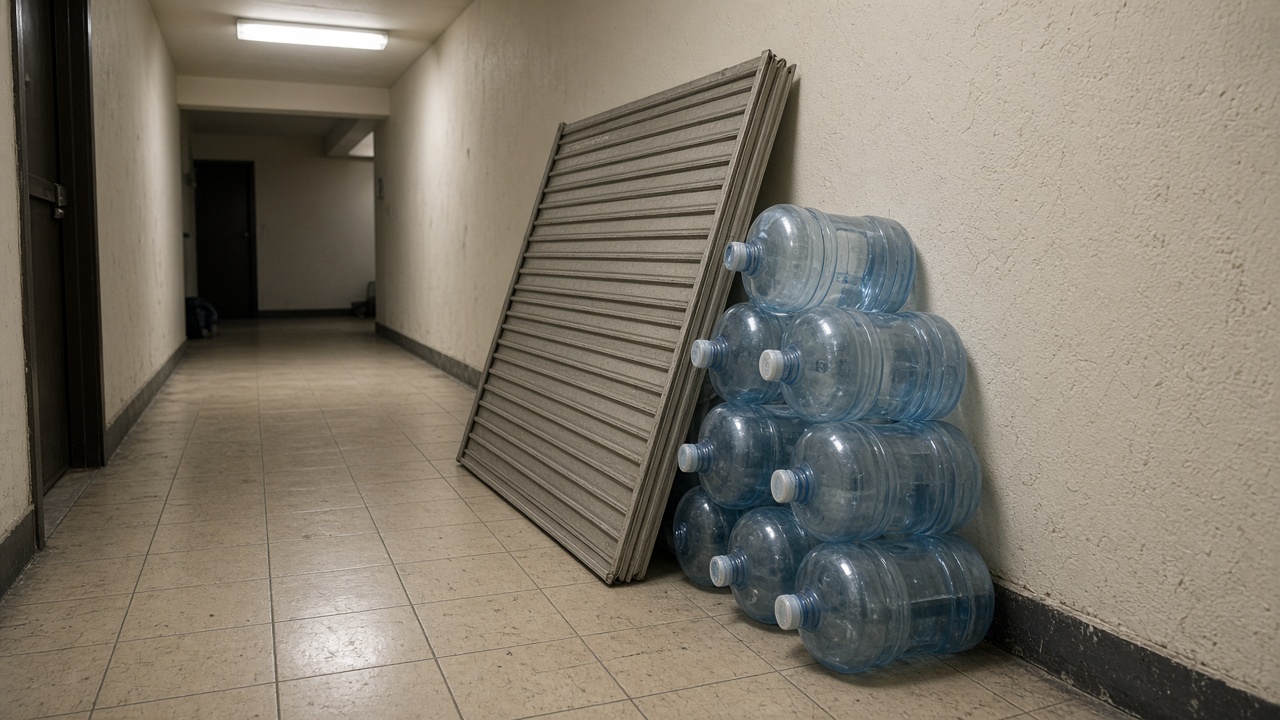
Condominium boards across Miami-Dade County are sending uniformed managers door to door this month to inspect resident hurricane kits, a requirement several high-rises adopted after last season’s near-misses left hallways cluttered with expired water cases and balcony furniture that could become debris.
What the inspections cover
Associations are not checking structural concrete—that remains the province of Florida’s milestone inspection program and Miami-Dade’s recertification notices for aging towers. Instead, boards verify that each unit has at least three gallons of water per person, a seven-day medication supply, flashlight batteries, and approved shutter hardware tagged to the floor plan filed with the city.
Property managers said the labor is unpaid volunteer work by building staff unless contracts specify overtime. A 42-story Brickell tower budgeted $18,000 for two weekend shifts to clear noncompliant balcony planters before inspectors photograph common areas for insurance renewals.
Time and money for owners
Unit owners must be home or leave a signed access form; otherwise managers place warning stickers that can escalate to fines under amended house rules. Renters complained they bear the shopping cost while landlords delay reimbursement, a friction tenant attorneys said predates storms but intensifies when Publix shelves thin during Gulf warnings.
Shutters stored in parking stalls trigger the highest fees—some associations charge $250 per day until items move to designated storage cages. Boards argue the policy prevents garage flooding from blocking emergency vehicles, citing post-Surfside emphasis on clear egress routes even though Surfside itself focused on structural failure, not storm prep.
How this intersects with state law
Florida statute requires milestone inspections for buildings three stories and older at 30 years, or 25 years in coastal zones Miami-Dade already treats as high-salt environments. Recertification engineers examine roofs, façades, and electrical rooms; they do not audit personal go-bags. Condo leaders said kit checks are voluntary governance layered on top of mandatory engineering reports due within 90 days of county notice.
Insurance brokers told boards that documented resident compliance may modestly affect wind-mitigation credits for common areas but rarely changes individual HO-6 premiums.
Seasonal reality, not lifestyle branding
Peak Atlantic activity historically clusters in late September; NOAA’s updated outlook this month kept above-normal odds despite a quiet August. Building captains are pairing kit walks with generator fuel tests and sump-pump drills in garages that flooded during King Tide weeks.
Owners who travel for work asked for locker storage of standardized bins purchased in bulk; two Sunny Isles associations approved group buys at $140 per unit, cheaper than last-minute Amazon deliveries when airlines cancel flights home.
County emergency management still directs residents to miamidade.gov alerts rather than board emails, reminding high-rise households that elevator shutdowns during power loss make early evacuation decisions critical for mobility-impaired neighbors.