Taiwan’s Ministry of Education told public universities Thursday to publish course-level artificial-intelligence disclosure pages before midterm week, detailing which assignments may use chat assistants, which require handwritten work in proctored halls, and how instructors will log suspected misuse. The order stops short of a ban; it forces transparency so students know the rules before grades are contested.
What the statute-like letter changes
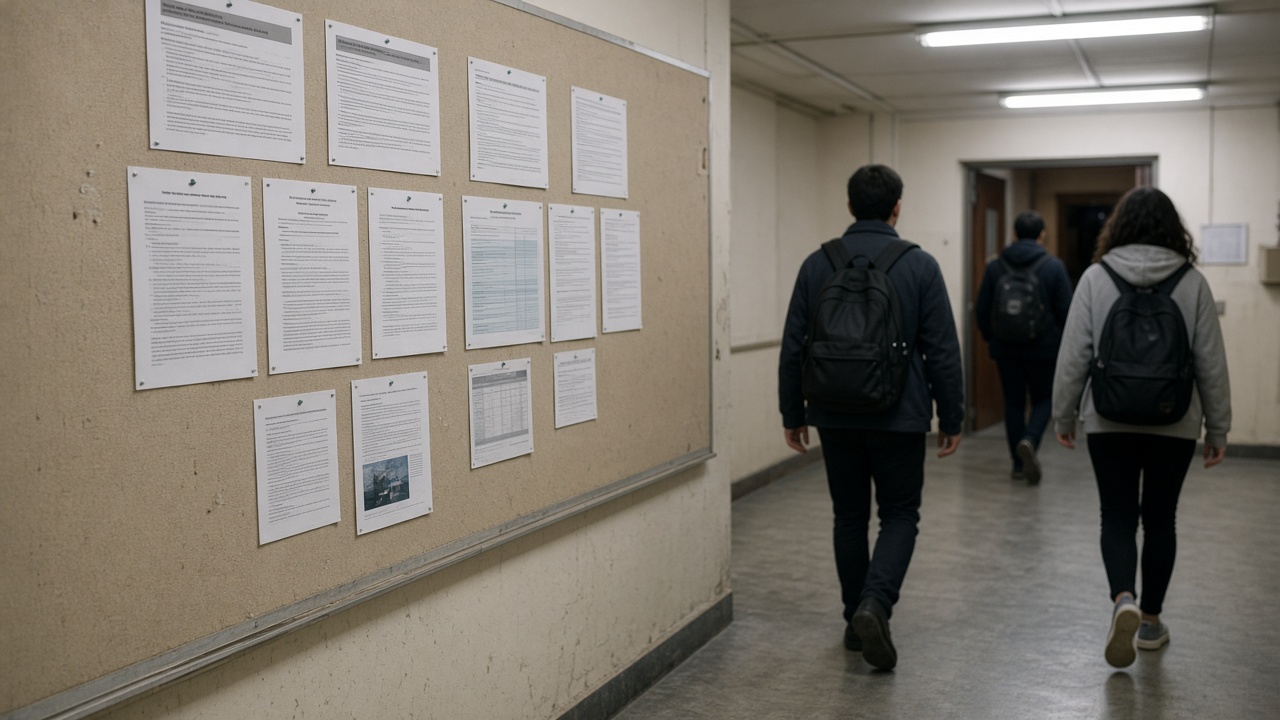
The ministry’s circular references 2025 university autonomy guidelines but adds a hard deadline: disclosure URLs must be live on department homepages by Monday, linked from learning-management systems students check daily. Each syllabus must list permitted tools— spelling checkers, code copilots, citation generators— and forbidden ones, including paid essay mills the ministry says it will refer to prosecutors if servers trace to Taiwan IP blocks.
Budget impact is modest: central funding covers no new software. Campuses repurpose existing honor-code portals. Private universities received the same guidance as “recommended practice,” though accreditation reviewers said they will score compliance in spring visits.
Implementation mess
At National Taiwan University, engineering faculty voted to allow copilots for debugging but not for algorithm write-ups due Monday; humanities departments banned assistants for primary-source analysis while allowing translation help for international students. Teaching assistants report spending extra hours rewriting prompts so students understand difference between “outline help” and “ghostwritten paragraph,” a distinction MOE examples illustrate with side-by-side PDFs.
Midterm halls add a checkbox on cover sheets where students certify AI use; proctors were told not to confiscate phones before exams but to collect smartwatches. Network administrators blocked commercial LLM sites on campus Wi-Fi during two-hour windows at some colleges, a tactic MOE warned may push students to cellular hotspots outside building doors.
Who is selling into schools
Ed-tech vendors pitched “AI detection” subscriptions to deans; Academia Sinica researchers told campuses detectors misfire on bilingual writers and open-source models. The ministry steered schools toward process disclosure rather than surveillance software, citing false-positive rates in a March white paper. Microsoft and Google campus licenses still bundle copilots; institutions must say whether institution-paid tools are fair game on take-home exams.
Students and teachers in which place
First-year students in Taichung commuter colleges said disclosures arrived late, pushed into group chats the night before psych midterms. Graduate labs with industry sponsors face stricter NDAs— AI help on proprietary datasets stays forbidden even if undergraduate policies loosen. International students on Mandarin-heavy exams asked for translated disclosure pages; MOE said English mirrors suffice if linked prominently.
After midterms, campuses must upload anonymized violation counts, not student names, so the ministry can see whether policies need tightening. For now, the building-level effect is simpler: fewer surprise accusations in hallways, more upfront arguments about what learning means when a draft took thirty seconds on a phone.