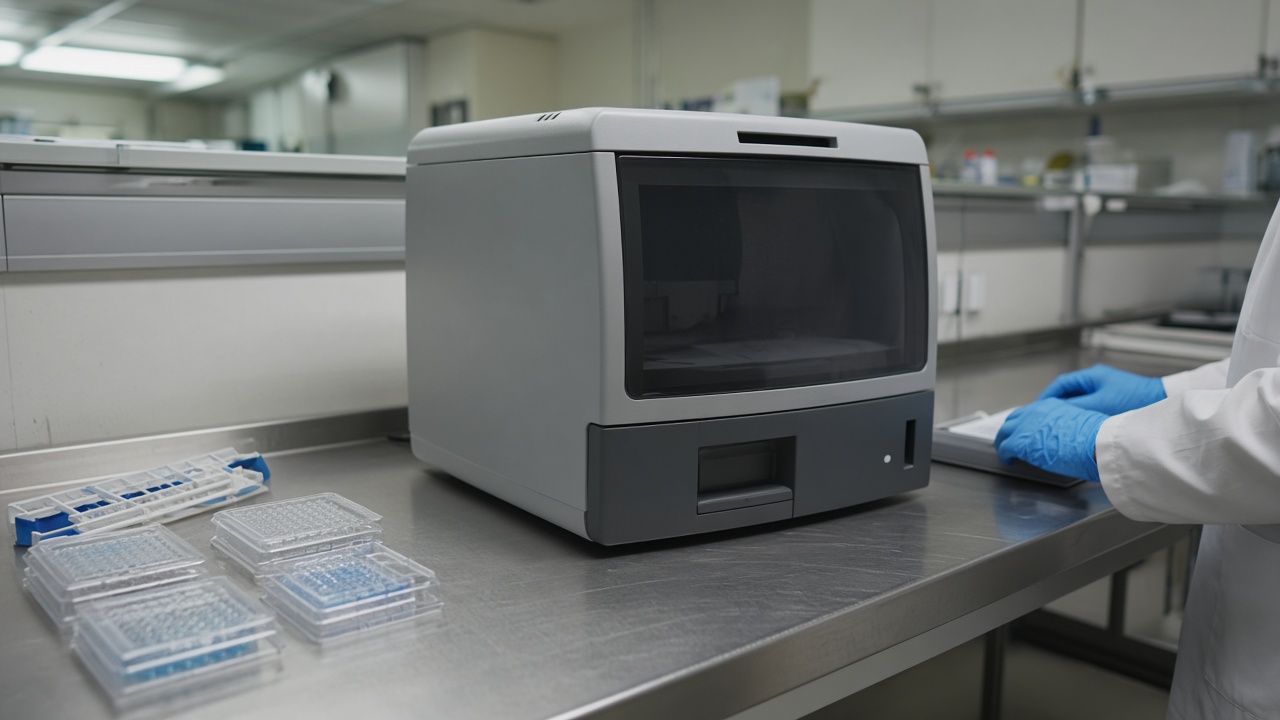
A Yorkshire NHS trust will pilot on-site nanopore sequencing for respiratory ward outbreaks using kits from SampleSeq, an Oxford Nanopore channel partner, in a trial NHS England greenlit after last winter’s RSV surges left side rooms blocked while central labs processed swabs. The study aims to return pathogen reads within eight hours so infection-control teams can decide whether to cohort patients or lift restrictions before weekend discharges backlog.
Why nanopore on the ward
Traditional PCR panels confirm a handful of targets quickly but miss novel recombinants; short-read central sequencing offers detail but often arrives too late to shape bed management. Nanopore devices read native DNA and RNA as strands pass through pores, yielding long reads that can distinguish lineages when bioinformaticians have reference libraries loaded. SampleSeq will place a MinION-class instrument in a hospital near-field lab with a clean bench and dedicated network VLAN segregated from administrative Wi-Fi.
Clinicians stressed the trial is adjunctive—empiric isolation rules stay until results return. The goal is faster all-clear signals when metagenomic runs show only commensal flora rather than continuing precautionary closures that cost elective surgery slots.
Partners and governance
Oxford Nanopore trained trust staff on flow-cell handling and wash protocols; SampleSeq supplies reagents and a cloud pipeline that flags reportable organisms against UKHSA watch lists. Trust boards signed data-sharing agreements routing raw reads to a secure federation hub so public health agencies can compare clusters without patient identifiers leaving the region.
Calderdale and Humber ethics reviewers approved the protocol as service evaluation, not a drug trial, shortening setup. Union reps asked for clarity on who maintains instruments during night shifts; the trust hired two band-6 biomedical scientists with genomics secondments.
Operational risks
On-site sequencing introduces biosafety and IT risks. NCSC guidance on medical device segmentation applies: the trust disabled USB ports except on the sequencer controller and monitors outbound traffic for anomalous uploads. Contamination control requires separate pre-amplification rooms; architects repurposed a former phlebotomy bay with negative pressure.
Cost per run remains higher than batched central lab tests, so the pilot limits runs to defined outbreak triggers—two linked cases with atypical presentation or failure of rapid antigen screens. Finance directors want a health-economic model by March comparing bed days saved against consumable spend.
Patient communication
Leaflets explain that leftover genetic material may be used to improve outbreak models unless patients opt out via the NHS data opt-out programme. Paediatric wards received pictorial explainers because parents often ask whether sequencing changes drug choices; in most viral cases it will not, but faster cohorting can protect neonatal units.
GPs referring into the trust asked whether results will flow back to primary care records; the pilot will push PDF summaries into EPMA once sign-off paths are tested.
Scale if it works
NHS England’s genomics team said success could inform a northern hub model where district hospitals borrow instruments seasonally rather than each buying hardware. Oxford Nanopore competes with other platforms, but its portable form factor suits hospitals without freight links to Cambridge or London core facilities.
If turnaround targets hold through autumn rhinovirus season, commissioners may bundle sequencing into infection-control tariffs for 2027—giving Yorkshire a head start on evidence other trusts will scrutinize before signing their own partner deals.
Training and staffing
SampleSeq will run fortnightly wet-lab refreshers because flow cells degrade when operators skip wash steps. Trust leaders budgeted overtime for bank holidays when outbreaks coincide with reduced courier schedules to central labs.
Medical directors want clear escalation when metagenomic reads pick up resistance genes that do not change ward policy; communications teams drafted plain-language ward posters explaining why sequencing is for infection control, not personal genetic testing.
UKHSA observers will join monthly review calls to compare Yorkshire clusters with national RSV trends, ensuring local speed does not fragment surveillance when travellers move between regions on bank holiday weekends.
Procurement lawyers verified that reagent spend sits outside the NHS drugs tariff, so the trust capitalised the sequencer under estates budgets rather than waiting for national framework renewals.