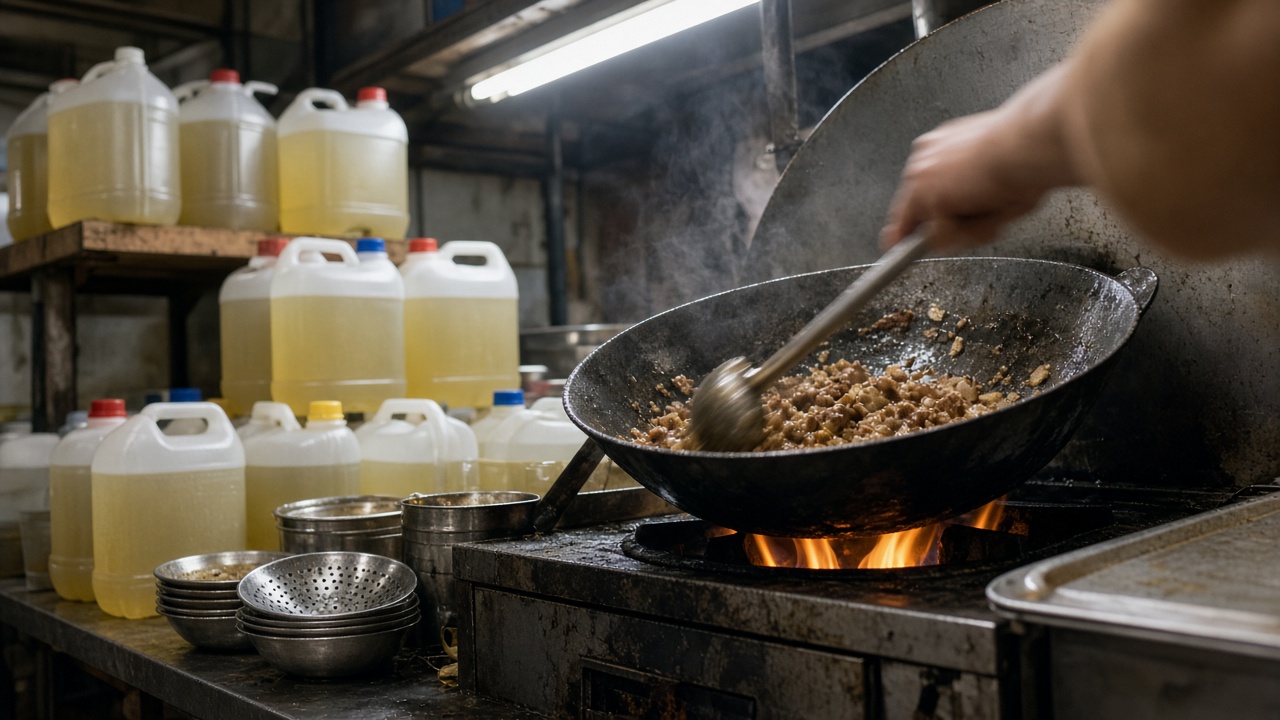
Vendors at Shilin, Raohe, and Liuhe night markets delivered a joint letter to three municipal employee consumer cooperatives this week, demanding they extend a voluntary NT$3-per-liter cap on eighteen-liter frying-oil jugs through the October holiday rush. The cooperatives—membership wholesalers that supply both civil servants and registered small merchants—said their September price sheets reflect global edible-oil tenders Taiwan Sugar and school-lunch buyers cleared in August, not profiteering.
Who made the call
The stall coalition’s spokesperson, a second-generation oyster omelet operator at Shilin, said cooperative managers raised list prices NT$420 per case overnight after a Kaohsiung primary-school fried-oil procurement closed at the high end of bids. Vendors were told the cap applies only to members who prepay quarterly; cash buyers at the cooperative warehouse counter pay the new sheet. That split is what triggered the protest: night-market crews operate week-to-week and cannot float a three-month prepayment when tourist traffic is still rebuilding after summer heat advisories.
Cooperative board members, speaking on background because their bylaws restrict public comment, said caps were always a pandemic-era concession funded by municipal subsidies that expired in June. They pointed to Ministry of Economic Affairs bulletins tracking imported palm olein landing costs and to Taiwan Sugar’s half-million-kilogram sunflower-oil tender as proof that capped prices would require new government backing.
What workers heard
At a Liuhe stall owners’ meeting Tuesday, organizers read aloud WhatsApp messages cooperative sales reps sent individual vendors: “Take the September sheet or source elsewhere.” Several merchants said reps suggested switching to blended high-oleic oil that meets health guidelines but changes wok flavor profiles customers expect on skewers and fried chicken. One tempura vendor said switching brands mid-season risks bad reviews on travel apps that rank stalls by photo consistency.
Younger vendors hiring foreign kitchen help said training costs spike when oil smoke points change. Union-minded stall leaders—not formal labor unions, but district associations—want cooperatives to publish landed-cost breakdowns the way school lunch tenders do on the Public Construction Commission portal, so merchants can see freight and duty lines instead of a single case price.
Wholesale mechanics
Taiwan’s night markets consume enormous volumes of neutral frying oil compared with home kitchens. Cooperatives buy truckloads, repack into eighteen-liter jugs, and deliver on gasoline-fueled routes that themselves cost more after fuel-tax debates in the legislature. Vendors who cannot meet cooperative minimums buy from cash-and-carry wholesalers in Wanhua or Xiaogang at prices that tracked the same tender spikes but without membership paperwork.
Ministry of Economic Affairs officials said they monitor cooking-oil inflation through consumer price surveys but do not set wholesale ceilings for private cooperatives. They urged vendors to report collusion if multiple wholesalers move in lockstep; stall leaders said their complaint is transparency, not antitrust litigation.
Strategy as a fight
For cooperatives, the fight is membership retention versus margin. Civil servant members want stable shelves; night-market vendors want holiday-season predictability. Board members floated a compromise: cap only the first two cases per vendor per week through October 10, then revert to market sheets—a proposal vendors rejected as insufficient for peak Golden Week nights when oil turnover doubles.
Kaohsiung market office staff said they brokered a meeting for Friday between cooperative buyers and vendor representatives. Taipei’s market administration reminded stalls that grease-trap compliance inspections continue regardless of oil prices, nudging vendors not to stretch oil beyond food-safety guidelines to save money.
What the shop does next
Vendors who lose cooperative pricing are scouting group buys through district associations that hire small trucks to pick up directly from importers in Taichung port free zones—a logistics workaround that shifts labor onto stall owners. Others are testing air-fryer menus that use less oil but require new equipment loans.
Tourist-facing stalls worry that raising skewer prices NT$5 apiece will show up in social media complaints comparing Taipei night markets with Malaysian street food hubs. Cooperative managers counter that uncapped oil costs force them to ration credit lines to vendors with overdue membership dues, a enforcement tactic stall leaders call punitive.
Investors are not the audience
No listed company owns these cooperatives; the story stays on shop floors. Still, packaged-food distributors watch the dispute because night markets are early indicators of whether household cooking-oil promotions at hypermarkets will stick. If vendors absorb costs, consumer brands may delay price hikes; if stalls raise menu prices, downstream inflation narratives shift.
By Friday, both sides expect a short-term truce: cooperatives may freeze one popular palm blend for two weeks while vendors drop the cap demand in writing. Neither side expects a permanent ceiling without new municipal budget lines—and with city elections approaching, stall leaders said they will take any written promise to district councilors who campaign on night-market vitality.