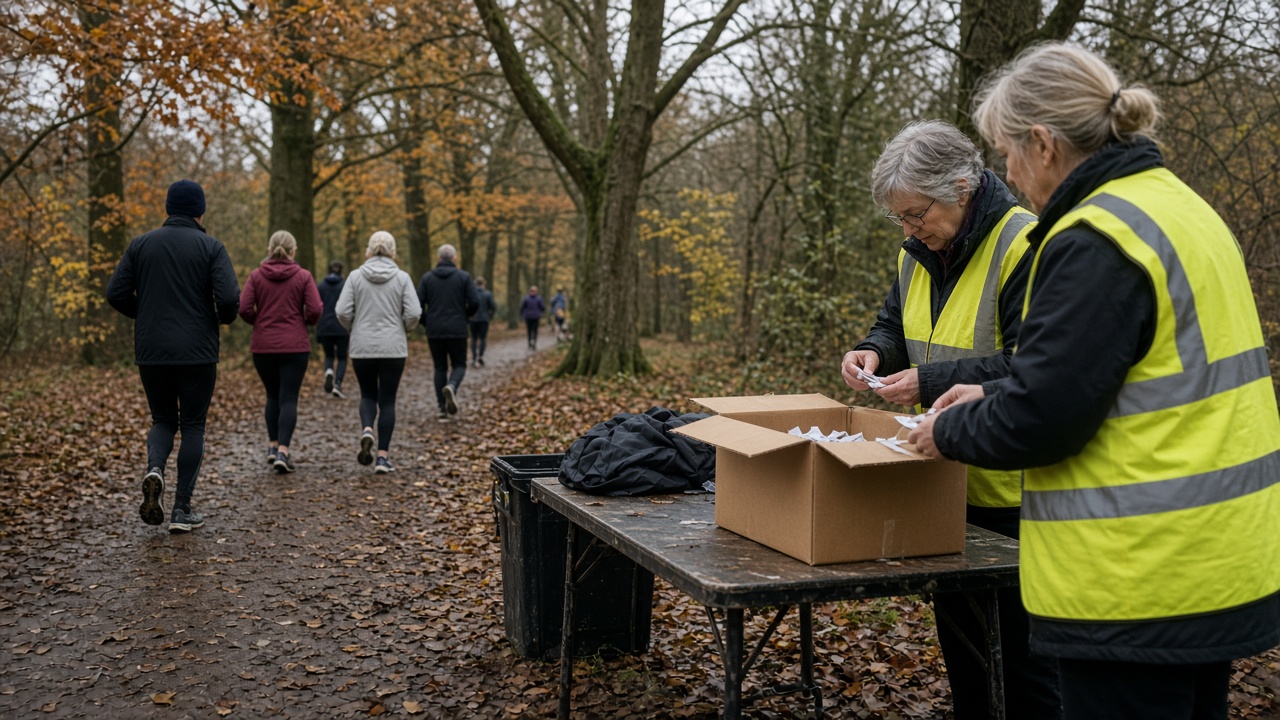
parkrun UK said new runner registrations rose 19% in the first fortnight of September, a seasonal bump organisers attribute partly to gym members rethinking monthly fees after several national chains announced autumn price increases.
The money story on the start line
Unlike boutique studios, parkrun remains free at the point of use, funded by volunteers and sponsor partnerships. Event directors in Bristol, Leeds, and outer London reported record “first timer” briefings, with many attendees citing cancelled or downgraded gym memberships in post-run surveys.
Household budgets are not abstract on a Saturday morning: petrol for the school run, higher mortgage payments, and now gym invoices that jumped £5–£12 per month at some franchises. For runners who only used treadmills and a shower, a 5K in the park with coffee afterwards can pencil out as the cheaper habit.
What parkrun does not replace
Strength training, physiotherapy-led rehab, and winter pool access still live behind paywalls. Sports scientists note that a weekly 5K maintains aerobic base but does not cover resistance work for bone health, especially for peri- and post-menopausal women—groups that nonetheless showed up in larger numbers at recent events according to volunteer headcounts.
Physios in community practices said they see more “return to run” patients who paused structured programmes when memberships lapsed. The advice is unchanged: increase weekly mileage gradually and treat parkrun as a hard effort day, not a warm-up before extra intervals unless you are already conditioned.
Volunteer load
More runners mean more barcode scanners, funnel marshals, and tail walkers. Several events temporarily capped unknown barcode registrations until volunteer rosters filled, a reminder that the model scales only with local labour. Corporate volunteer days helped in Manchester parks; rural events still struggle for marshals when farmers’ harvest weeks clash.
Gym industry response
Chains that raised prices pointed to energy costs and equipment leases, offering freeze options rather than cancellations. Some introduced “run club” tie-ins with discounted off-peak access—attempts to keep casual cardio users inside the ecosystem.
For now, the autumn signup curve suggests a slice of Britain is voting with its feet on Saturday mornings. Whether that lasts through muddy January depends on weather, volunteer capacity, and whether gyms reintroduce promotional winters rather than further list-price rises.
Local council parks budgets
Several councils said increased footfall on park paths after 9 a.m. Saturdays has sped up wear on bark chip surfaces and lighting repairs. None linked funding directly to parkrun fees—events remain permit-based—but parks departments asked event directors to stick to agreed routes after wet weeks to limit erosion on cricket outfields that double as start lines.
Retailers near popular courses reported higher post-run coffee sales, a small high-street knock-on that does not show up in Sport England surveys but matters to corner cafés comparing energy bills with last autumn.