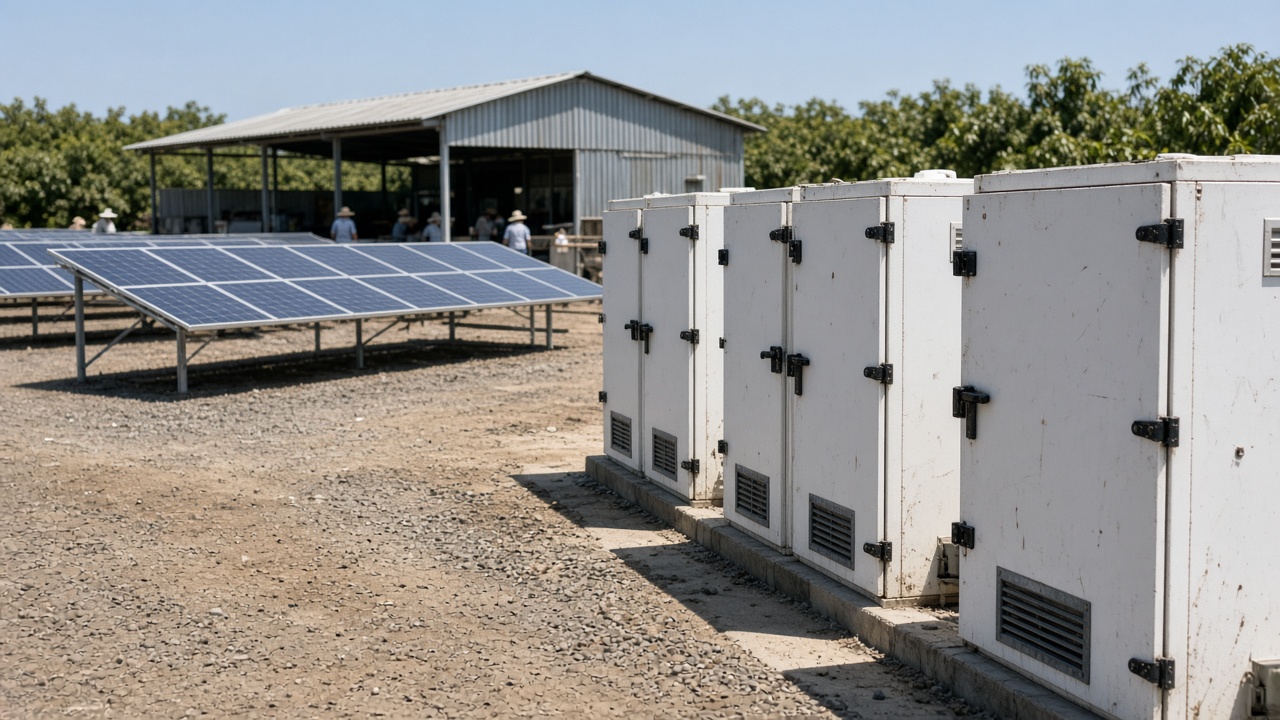
A Pingtung startup that builds solar-powered fruit drying cabinets landed a limited convenience-store trial in Japan, shipping shelf-stable dried mango slices from contracted farms near Neipu to a major chain’s Kyushu logistics hub, according to founders, export paperwork, and county agriculture officials.
The round that was not a headline valuation
SunShelf Agriculture raised a NT$45 million Series A in March led by a Kaohsiung food-tech fund, with participation from angel investors who operate tropical-fruit orchards. The round was structured as preferred equity with a 1x non-participating liquidation preference—not the convertible note stack the company used during COVID when drying orders collapsed. Founders retained majority voting control but granted the lead investor a board observer seat focused on export compliance.
They did not disclose revenue multiples common in press releases; InfoHandle verified the Japan trial purchase order through customs filings worth roughly NT$8 million over six months, a modest number that still validates shelf placement.
What the drier does
Cabinets combine photovoltaic roofs with heat-pump dehumidification so mangoes dry without propane bills that eroded margins for smallholders. Sensors log chamber temperature and moisture; data uploads over farm Wi-Fi for HACCP audits. Pingtung’s agriculture extension office helped five farms standardize slice thickness so drying times match across plots.
The startup owns the cabinets but leases them to growers under revenue-share contracts, avoiding the capex trap that killed earlier cooperatives who bought industrial ovens they could not fill.
Japan trial mechanics
The convenience chain allocated endcap space in 120 Kyushu stores for eight weeks, testing two pack sizes and bilingual ingredient labels. JETRO’s Taipei office introduced SunShelf to the buyer’s procurement team after a 2025 trade fair in Kaohsiung. Products must meet Japan’s food additive rules and Taiwan FDA export certificates; SunShelf hired a Yokohama labeling consultant to avoid the recall that hit a rival dried-pineapple brand in 2024.
Founders said they priced packs at a premium to Philippine competitors, betting Japanese shoppers will pay for traceable farm GPS codes printed inside the sleeve.
Ownership if the trial fails
If the chain does not expand, SunShelf still owes lease payments on driers and must repurpose cabinets for dragon-fruit and guava experiments already queued with Pingtung farmers. The lead investor’s side letter includes a milestone trigger: if Japan revenue stays below NT$15 million by March 2027, the company must seek a strategic buyer among Taiwanese snack conglomerates or face a down-round consent requirement.
Founders said they would rather pivot to domestic hotel minibar packs than accept a rescue valuation from a brand that only wanted the IP.
Governance and labor
Seasonal workers slice fruit on-site; SunShelf adopted the county’s heat-stress guidelines after a 2025 hospitalization on a neighboring farm. Equity grants cover three full-time engineers in Kaohsiung, but not the part-time farmers who sit on an advisory council without shares—a gap local NGO Fair Fruit Taiwan criticized in a blog post the company answered with promises to explore cooperative equity in a future round.
What the business is in one sentence
SunShelf sells dried tropical fruit whose quality depends on leased solar dryers and export paperwork, not on a proprietary cultivar.
If the next round does not exist
Domestic shelf tests
Taiwanese convenience chains watched the Japan trial quietly; a Kaohsiung buyer visited Neipu farms in August to compare moisture content against Thai imports. SunShelf must still win shelf-life tests for humid Taipei stores where packs sweat inside plastic.
Founders keep a spreadsheet of drier utilization rates per farm; investors review it monthly. Underused cabinets trigger lease repricing so the company does not subsidize idle steel during off-season.
COA extension agents said SunShelf’s solar cabinets qualify for a low-interest equipment line if farms commit to three-year mango supply contracts, tying public credit to export volume rather than slide-deck promises.
Japan trial stores will report sell-through weekly; SunShelf’s lead investor can withhold the second tranche of Series A funds if sell-through falls below 40 percent of allocated inventory—a clause founders accepted to avoid a higher valuation they could not defend with revenue.
Cash runway extends to late 2027 assuming the Japan trial reorders and domestic convenience chains copy the SKU. Without that, SunShelf can sell drier hardware to the Philippines but loses the margin-rich brand it is trying to build. Customs data will show whether Kyushu shoppers reorder before investors decide if dilution or a strategic sale is the lesser pain.