Preferred Networks Inc. has begun delivering edge training kits to two Toyota group parts plants in Aichi Prefecture, equipping line engineers to fine-tune visual-inspection models on the factory floor without exporting production images to public cloud regions, according to plant managers and a deployment guide PFN shared with customers this month.
What ships in the kit
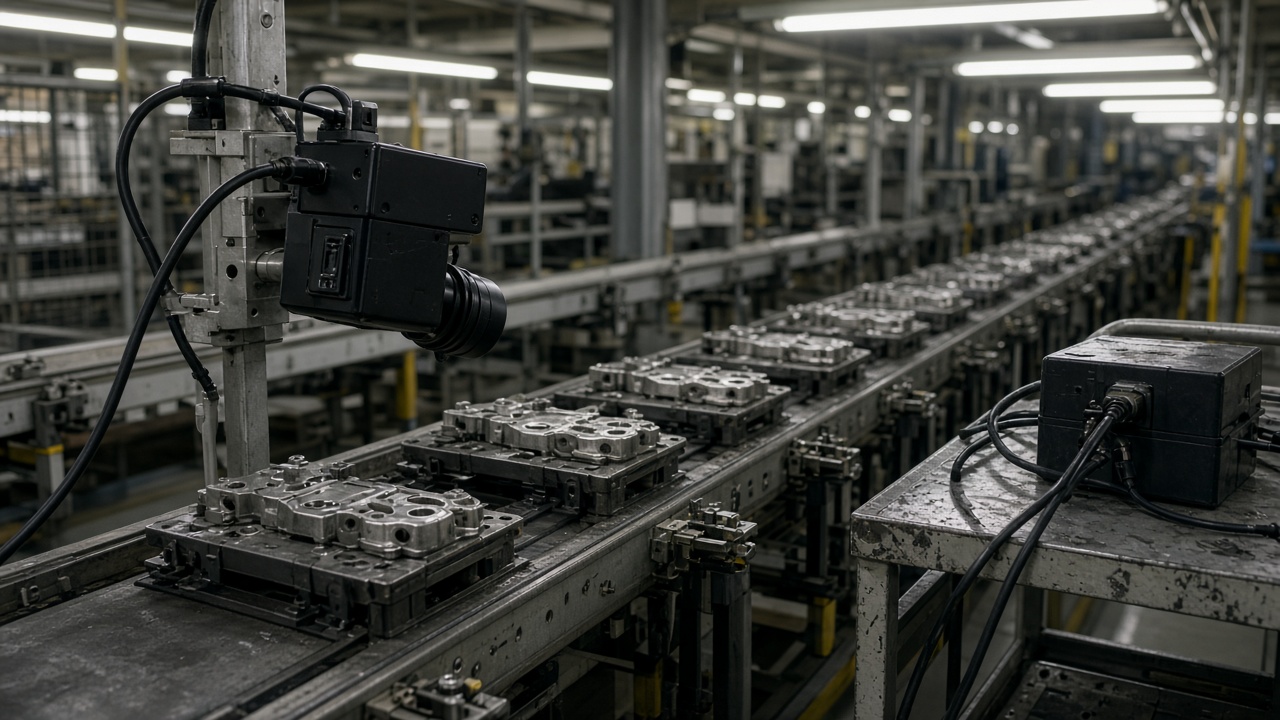
Each kit combines a PFN-branded edge server, a compact GPU module derived from the company’s MN-Core lineage, and software that wraps its Preferred Networks Visual Inspection (PVI) toolchain for on-site retraining. Cameras already installed over stamping and weld lines feed defect labels into the box; engineers approve new bounding boxes on a shop-floor tablet, trigger a short training job locally, and push updated weights back to inference nodes within the shift.
PVI has more than two hundred industrial clients in Japan and advertises high-precision inspection from roughly one hundred sample images. The Aichi deployment tests whether that workflow survives Toyota’s change-control rules when models drift because of lighting, seasonal humidity, or supplier material swaps—events that previously required tickets to PFN’s Tokyo lab.
Toyota relationship and plant selection
Toyota Motor Corporation is PFN’s largest external shareholder after repeated investments since 2014, and the companies run joint robotics and physical-AI research through Toyota’s Frontier Research Center. The edge kits are separate from the MN-Core L processor program announced in June for generative robot inference, but they share staff and firmware teams, according to a PFN engineer who briefed InfoHandle on condition they not be named.
The two plants produce drivetrain and chassis components; PFN declined to name them publicly, citing customer confidentiality. People at one site said the kit landed first on a high-mix weld inspection line where false rejects were costing overtime rework.
Why edge training matters for quality teams
Exporting images off-site triggers data-governance reviews that can take weeks inside automotive supply chains. Local training keeps sensitive geometry on plant VLANs and aligns with Toyota’s “edge heavy computing” mantra PFN has promoted since its founding. Plant quality managers said the first success metric is cycle time: retraining that once waited for a scheduled vendor visit now targets under four hours when lighting shifts after maintenance.
Limits remain. The kits do not replace centralized model governance; Toyota corporate still audits version hashes and performance benchmarks before a retrained model can ship to sister plants. PFN’s guide warns that edge jobs are capped in dataset size to prevent operators from accidentally training on mislabeled batches during rush periods.
Competitive and labor context
Japanese manufacturers face inspector shortages and rising recall scrutiny. Rivals offer cloud-first vision tools; PFN is betting that on-prem retraining differentiates it with Toyota and Fanuc-era partners. The Aichi rollout is a reference site for PFN sales teams pitching tier-one suppliers in Nagoya’s automotive cluster.
Labor unions at one plant asked whether edge automation would reduce quality staff headcount. Management responses seen by InfoHandle emphasize redeployment to harder visual checks the model still misses—burrs and subtle paint flaws—rather than layoffs during the pilot.
Roadmap PFN outlined to customers
If the Aichi plants hit stability targets by December, PFN plans to bundle kits with maintenance contracts priced per line rather than per training hour. Longer term, the company wants the same boxes to host smaller generative models for work-instruction assistants, though that feature is not enabled in the current Toyota configuration.
Security reviewers at one plant asked whether edge servers should sit on a separate VLAN from programmable logic controllers; PFN’s deployment guide recommends physical segmentation and quarterly penetration tests funded by the kit maintenance fee. Export-control lawyers also flagged that retrained weights must not encode foreign customer part numbers if models trained on mixed export and domestic lines—a clause Toyota inserted into the pilot contract.
For Toyota, the pilot is a practical test of whether PFN’s inspection stack can scale across dozens of domestic parts plants without multiplying cloud egress bills or opening new attack surfaces. For PFN, proving on-site training works in Aichi is the difference between being a Tokyo software vendor and becoming embedded in the production rhythm of Japan’s largest automaker.