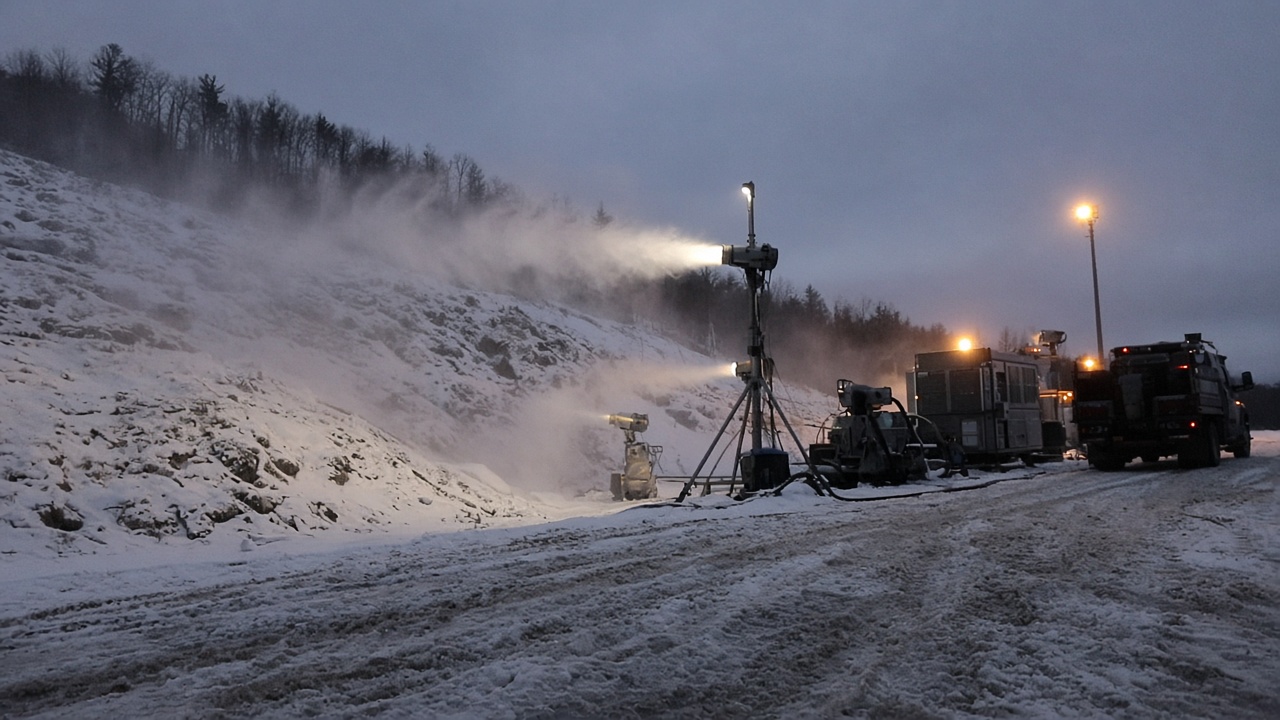
SlopeMeter, a Salt Lake City ski-resort SaaS startup, closed a $3.6 million seed round to expand software that audits snowmaking energy consumption, mapping compressor runtimes to utility tariff windows and water-rights filings that mountain CFOs said spreadsheets failed to catch, according to financing documents and resort pilot reports reviewed by InfoHandle.
Round structure and dilution
The round mixes institutional seed capital with a strategic check from a Wasatch resort operator that also signed a multi-year subscription. Founders exchanged roughly 18 percent of the company on a post-money basis, including an expanded employee pool for field installers who clip CT sensors onto snowmaking feeds.
Earlier friends-and-family SAFEs converted at the seed cap, a cleanup founders said was necessary before selling to risk-averse resort boards governed by public-utility-style oversight in some Utah counties.
What the product does
SlopeMeter ingests SCADA tags from air compressors, pump stations, and gun manifolds, then scores shifts against night-time power rates and contractual water diversion limits. Dashboards flag when crews run guns during peak megawatt hours or when flow exceeds annual allowance—even if snow quality looks fine on the slope.
Pilot resorts said the software paid for itself in one season by shifting six hours of gun time weekly into off-peak blocks without shortening open terrain.
Money story versus PR valuation
Press releases avoided “unicorn” language; investors priced the company on recurring SaaS multiples tied to acre-feet of managed water, not skier visits. That discipline matters because warm winters can shrink lift revenue while energy bills stay fixed—exactly when CFOs want audit trails for rate cases and sustainability bonds.
Who owns what
Resorts own meter hardware; SlopeMeter owns analytics and benchmark datasets aggregated across customers with anonymization. Two board members from the strategic investor pushed for local data residency in Utah data centers—a requirement for resorts marketing privacy to season-pass holders.
If the next round does not exist
Founders said breakeven is twelve paying mountains in the Intermountain West, a niche TAM that makes generalist venture firms hesitate. The fallback plan is services-heavy implementation for municipal ice rinks and Nordic centers—a smaller market but steadier cash than alpine weather bets.
Regulatory hooks
Utah Division of Water Rights reviewers asked resorts for better telemetry on return flows; SlopeMeter exports PDFs formatted for state forms—a paperwork wedge competitors selling generic energy dashboards lack. Utah Office of Energy Development grants partially funded two pilot installs, but grants do not guarantee renewals if tariffs change.
Risks on the mountain
False alerts from iced-over sensors can send crews to restart compressors unnecessarily; SlopeMeter added human acknowledgment steps after a Big Cottonwood Canyon false positive burned a night of peak pricing. NSAA sustainability working groups cite the pilots in voluntary reporting, but no industry mandate requires adoption.
What investors still cannot model
Climate volatility cuts both ways: mild Decembers increase energy spend per open day, which helps SlopeMeter’s pain narrative but stresses resort balance sheets enough to churn software. The seed buys two sales seasons and hardened hardware—not a guarantee that every Wasatch resort will outsource snowmaking math.
Integration with lift operations
Resort ops wanted snowmaking schedules tied to lift opening plans; SlopeMeter added read-only APIs so grooming foremen see energy scores beside trail status boards. The feature was a customer request, not founder vision—typical for vertical SaaS that wins by paperwork and shift habits.
Staffing on the ground
Install teams work nights so compressors stay online for guests; union snowmakers asked whether sensor installs would trigger jurisdiction disputes with electricians. Contracts clarify two-hour bolt-on work stays inside existing maintenance crews.
Benchmarking across resorts
Anonymized benchmarks let CFOs compare megawatt hours per acre-foot against peers without naming competitors—a sales hook that only works once enough Wasatch mountains opt in, which the seed round funds through discounted first-season pricing.
Season-pass holder messaging
Resorts using SlopeMeter dashboards in sustainability reports told marketing teams to avoid implying lower energy use guarantees longer seasons—wordsmithing that prevents backlash when warm winters still shorten skiing.
Debt covenants
One resort lender asked for snowmaking energy KPIs in covenant packages; SlopeMeter exports became appendix material in a refinancing—a distribution channel the startup did not forecast in its seed deck but now lists as a second sales motion.