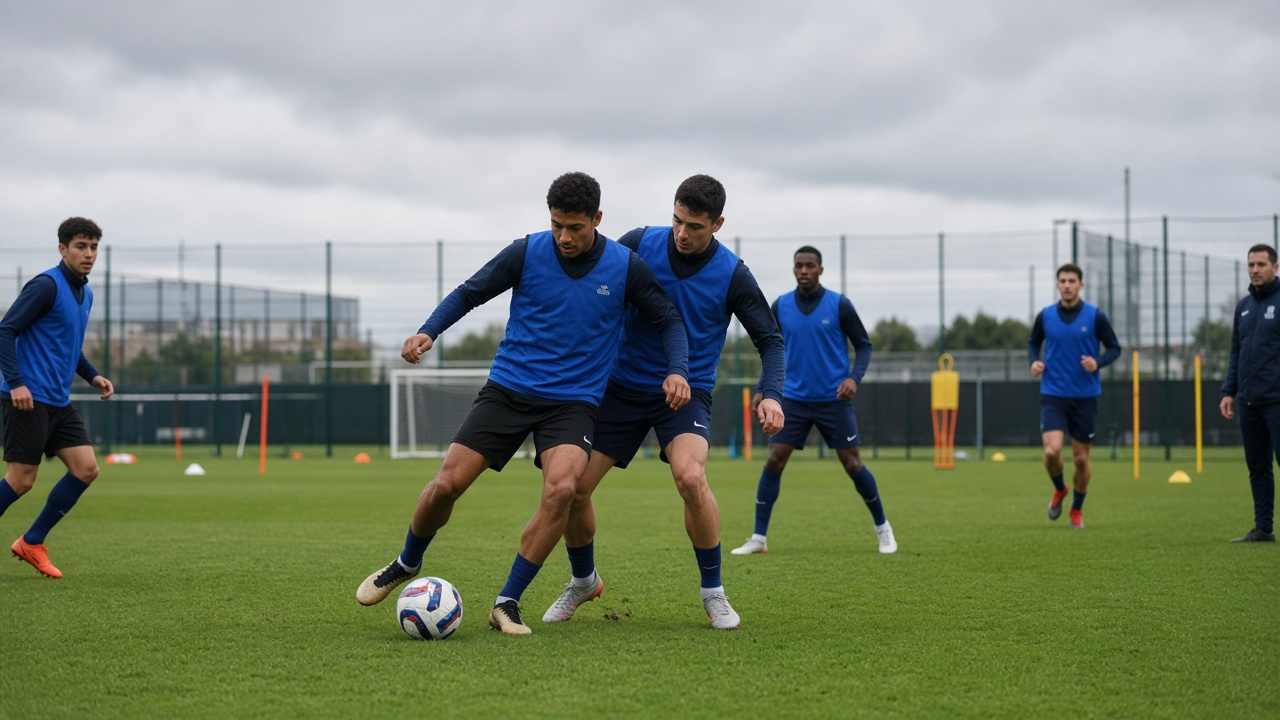
Japan’s football association named a 26-player Samurai Blue squad for next month’s World Cup qualifier that leans on in-form J-League regulars after Moriyasu omitted several Europe-based veterans struggling for club minutes. The selection reflects a tactical bet on match fitness before a congested autumn window that includes an away tie in Asia’s third round.
Who made the cut
Front-runners include Cerezo Osaka’s midfielder pairing and a Machida Zelvia defender whose aerial duels topped J-League charts in August. Moriyasu kept captaincy with a Serie A center back but dropped a Bundesliga winger who has not started since spring injury rehab. Goalkeeping stays stable: three players, with the J1 leader getting the likely start after clean sheets in three straight league matches.
JFA’s English release emphasized “domestic rhythm” without criticizing overseas leagues, but analysts note travel fatigue cut last camp short. This time, most call-ups train at J-Village in Fukushima before flying, reducing jet lag for players who already sleep in Japan time zones.
Tactical read
Moriyasu’s 4-2-3-1 variant against high presses depends on fullbacks who join attacks—easier when J-League coaches grant weekly video sessions with national staff. European clubs often block midweek zooms during league play. The selected wide players are specialists at early crosses, matching an opponent that concedes set-piece goals in qualifying.
Fitness staff flagged one Urawa Reds striker for minor hamstring tightness; he travels if he completes a Saturday league match without substitution. Medical rules exclude a pair of overseas-based midfielders still in rehabilitation protocols their clubs will not release for national duty.
Club vs country friction
J-League chairmen publicly backed the domestic skew, hoping strong national showings boost ticket sales during Silver Week doubleheaders. An agent representing two omitted players argued minutes abroad should weigh more than J1 form, a debate that will resurface if results slip. FIFA windows allow only three substitutions; depth matters if humidity in the host city spikes—Japan’s staff packed extra cooling vests after July friendlies.
What’s next
The squad assembles October 7 for friendlies closed to the public, then travels for the qualifier October 11. A home match in Saitama follows in November. Moriyasu told reporters he may recall Europe-based stars if clubs restore starting roles by then, but this camp rewards players carrying weekly match load now.
For supporters, the immediate signal is which J-League stadiums see national-team players return right after camp—several clubs scheduled marketing events assuming starters will be available for weekend league fixtures if they are not overworked in the qualifier.
Broadcast and ticketing
NHK and Fuji TV hold joint rights for the qualifier window; both plan studio segments on J-League call-ups to explain omissions to casual viewers. JFA opened an online ballot for training-ground viewing slots at J-Village, a perk that sold out in hours as families chase autographs before players board the team bus.