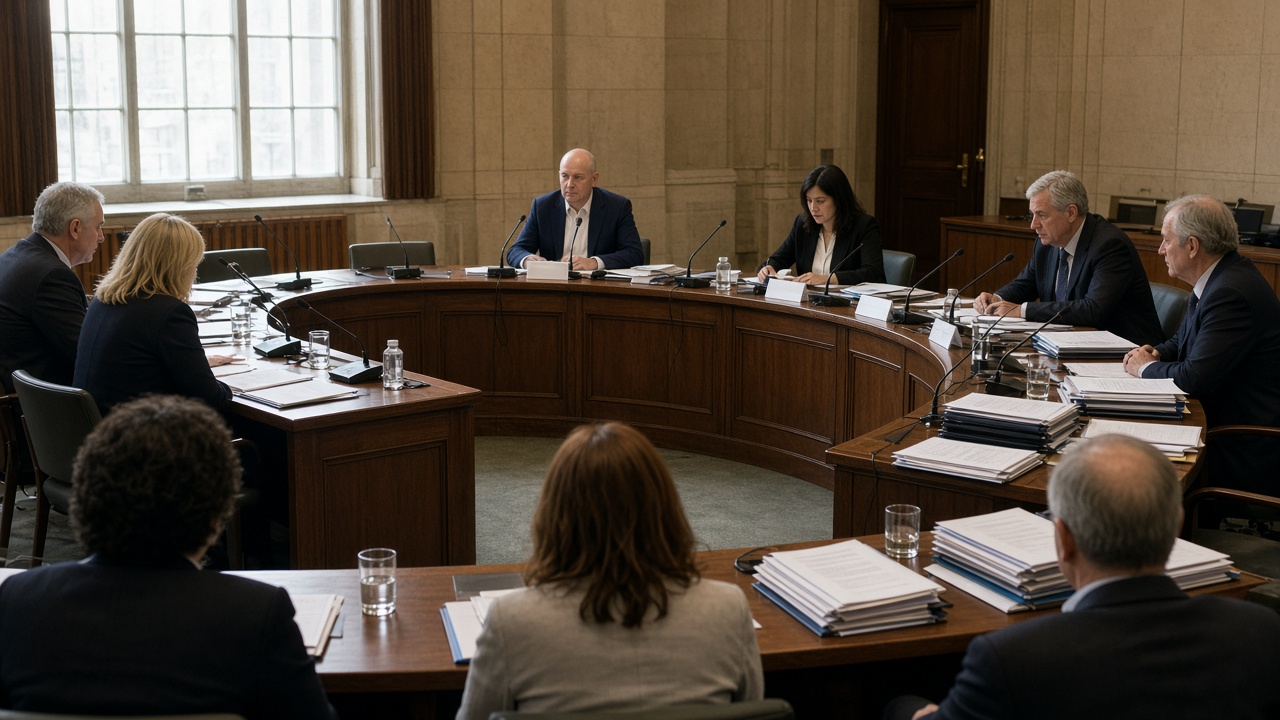
HM Treasury officials told MPs this week they are preparing narrow tweaks to the UK’s fiscal rules for the autumn statement, clarifying how public-sector net financial liabilities and investment allowances interact with the government’s debt-reduction target without opening a blanket spending escape hatch.
What Treasury signalled
In evidence to the Treasury Committee, civil servants said Chancellor Rachel Reeves’s framework—debt falling as a share of GDP by the end of the forecast horizon—remains the anchor. The proposed adjustments focus on how certain green infrastructure and network assets are scored inside PSNFL metrics, and on aligning forecast windows with Office for Budget Responsibility schedules so departments do not face duplicate contingency calls.
Officials stressed the changes are technical, not a rewrite of the 2024 mandate. They want markets to read autumn documents as predictable within the OBR’s March and November rhythm, even as spending departments press for headroom on capital programmes delayed by planning and supply chains.
Parliamentary calendar
The autumn statement is expected in late November, with a short Finance Bill follow-up in the new year. Treasury Committee chairmembers asked whether rule tweaks would be legislated or presented as guidance; civil servants said primary legislation is unlikely, but the OBR would receive explicit assurances before scoring the package.
Whips are mindful that fiscal votes remain sensitive after the 2022 mini-budget trauma. Labour’s 2024 manifesto committed to a debt rule with investment guardrails; backbenchers on the left want those guardrails to bite on clean-energy grids, while fiscal hawks warn against reclassifying current spending as investment.
Spending pressures
Departments citing delayed capital—Defence shipyards, MoJ courts maintenance, DESNZ grid connections—argue that PSNFL treatment should not penalise assets that will not generate cash flows for years. Treasury responded that any flexibility must be matched by transparent OBR costing, not off-balance-sheet vehicles.
Local government leaders told InfoHandle they want clarity on whether business-rates reset assumptions in the statement will interact with the debt rule presentation. Treasury did not commit, saying local finance will be addressed in a separate funding settlement letter.
Market read-through
Gilt strategists said investors care less about definitional tweaks than about net borrowing totals and Bank of England gilt sales overlap. The Debt Management Office’s remit for the quarter will be watched for any change in auction sizes if rules free small capital headroom.
Rating agencies have not commented pre-emptively; Treasury officials reminded MPs that the UK’s credibility rests on OBR independence, not on creative accounting labels.
What happens next
Expect a Treasury technical note alongside the autumn statement with worked examples of PSNFL changes. The OBR will judge whether tweaks are material to its central forecast or merely presentational. Committee chairs may demand a separate hearing if departments accelerate capital bids immediately after rule clarifications.
For now the story is procedural: the government is adjusting how it measures success, not abandoning the promise that debt should fall— and Parliament will still vote on the taxes and spending that actually move the numbers.