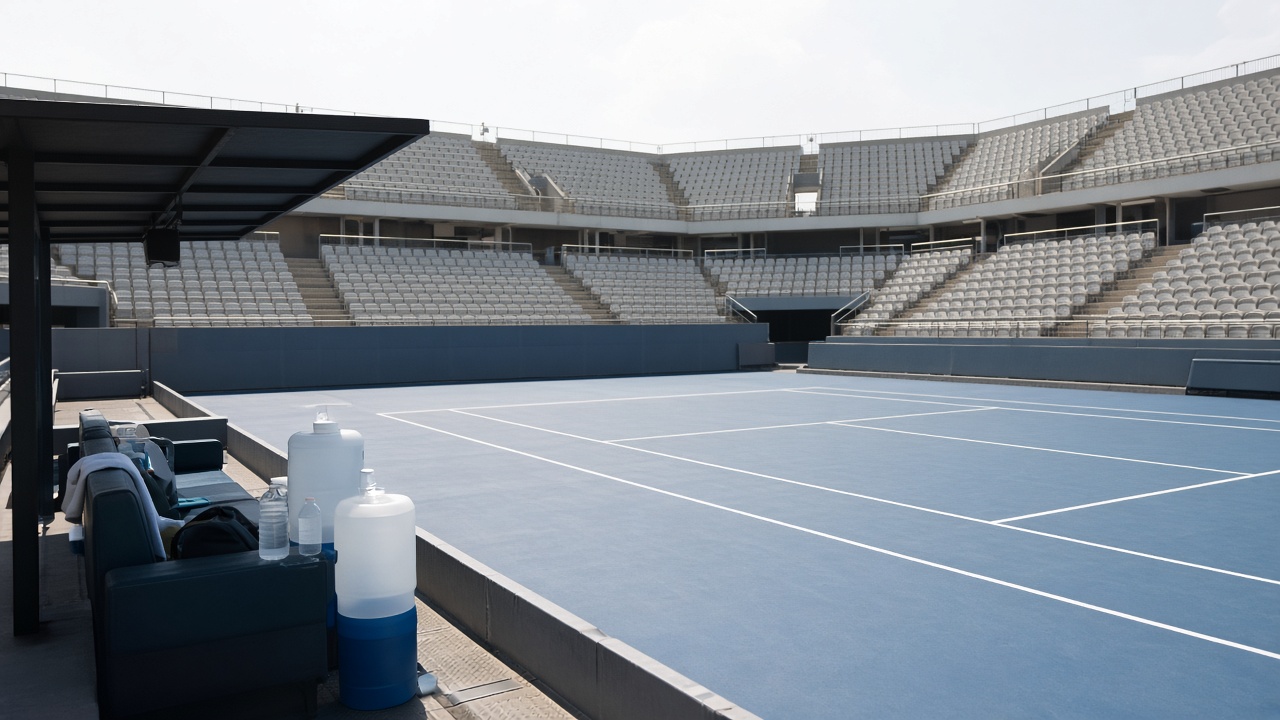
Semifinal betting markets at the U.S. Open moved noticeably after tournament officials confirmed mandatory midday heat breaks for men’s matches when the heat stress index crosses thresholds at Arthur Ashe Stadium, adding rest periods that can stretch best-of-five schedules deep into the New York evening.
What the policy does
When wet-bulb readings and air temperature combine above USTA’s published limit, players receive a ten-minute break at the end of the second set, with medical staff authorized to extend cooling time. Women’s matches already used heat breaks in prior Opens; this year’s men’s semifinal slate is the first to face the rule under forecast highs near 90 degrees Fahrenheit with humidity.
Television producers must pad broadcast windows; sportsbooks repriced live totals on set counts and aces because rested servers historically perform better in third sets after breaks.
Why odds shifted
Traders said prices on favorites with histories of cramping in humid conditions tightened slightly, while deep baseline grinders gained implied probability in markets that settle on match length. Data vendors scraped past Cincinnati and Atlanta events where similar breaks altered tiebreak frequency.
Fan-facing narratives about “ toughness” matter less to oddsmakers than minutes off court and ice-bath access under the stadium.
Player preparation
Coaching teams added electrolyte protocols and shade tents on practice courts in Flushing Meadows. Several semifinalists told reporters they practiced split blocks—morning hitting, midday rest—to mimic break schedules, a routine more common on the Olympic circuit than in late-summer Slams.
Medical observers noted that heat rules disproportionately help veterans managing chronic injuries, a factor analytics shops tagged in player models even before lines moved.
Broadcast and stadium operations
ESPN and international feeds inserted heat-break graphics explaining medical thresholds, a transparency move USTA hopes reduces social-media conspiracy theories about favoritism. Stadium ushers extended water-filling stations for spectators in upper decks where shade is scarce.
Concessions staff reported slower midday beer sales when breaks pause momentum, a small revenue footnote compared with insurance costs if a player collapses on court.
What happens next
If forecasts hold, both semifinals could include breaks, pushing start times for the women’s final promotional events. Tournament directors said they will not move matches indoors; Louis Armstrong Stadium’s roof remains a rain tool, not a heat escape hatch.
For bettors, the actionable read is schedule length, not headline drama: heat breaks are a measurable input, and this Open’s semifinal prices now embed them. For players, the question is whether extra rest offsets the psychological stop-start rhythm on the sport’s loudest stage.
City emergency management kept cooling buses on standby near the grounds, a reminder that heat policy protects fans as well as athletes when September humidity returns to Queens.