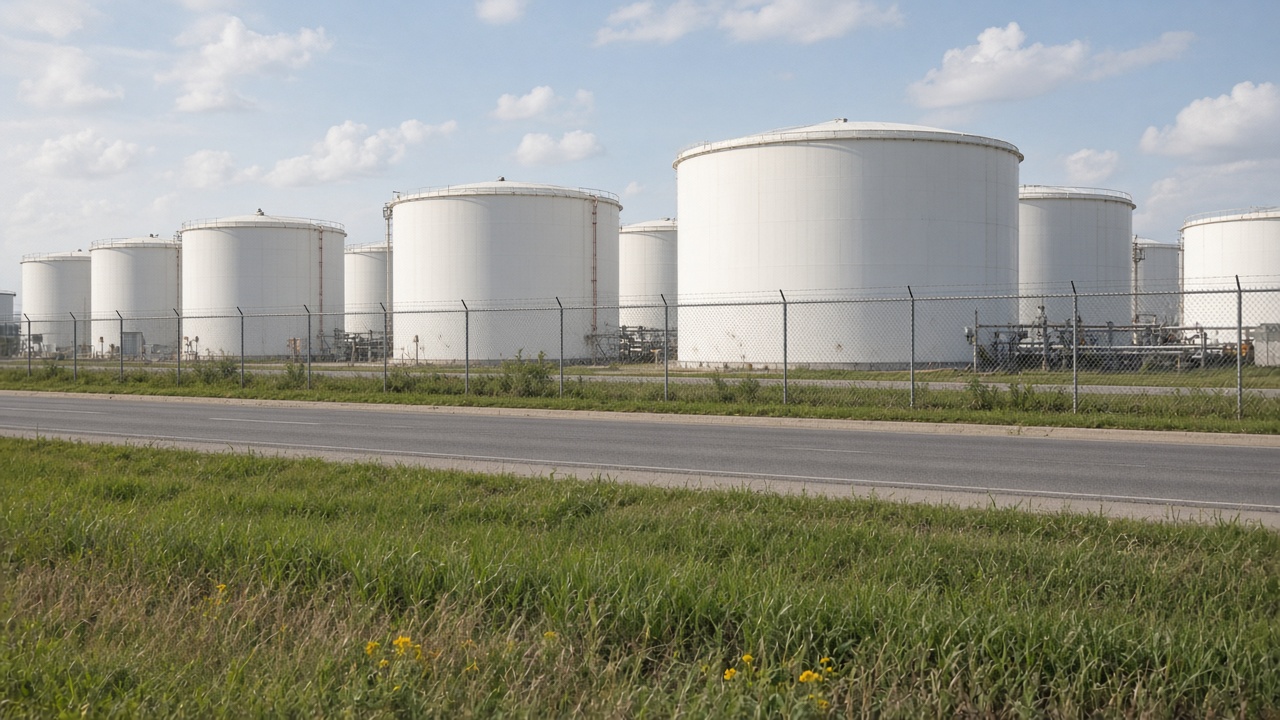
White House energy aides briefed a bipartisan group of governors Thursday on legal pathways to release Northeast gasoline stocks and harmonize state waiver authorities, as Gulf-linked supply fears push retail averages toward summer peaks without a formal drawdown order from President Donald Trump.
What was on the call
Deputy Energy Secretary staff outlined volumes held in the Northeast Gasoline Supply Reserve and smaller state strategic caches, emphasizing that any federal release requires interagency sign-off and maritime logistics through New York Harbor. Officials distributed timelines showing roughly five to seven days from decision to measurable pump impact in Mid-Atlantic metros.
Governors from New Jersey, Pennsylvania, and Florida asked about Reid vapor pressure waivers that let winter-grade gasoline flow early when summer rules constrain blending pools.
Who controls the levers
Trump has authority under exchange agreements and emergency statutes, but politically vulnerable governors want cover before terminals reroute barges. Congressional Republicans from refining districts warned that a drawdown without corresponding import plans could flatten crack spreads and hurt Gulf Coast jobs.
Democratic governors pressed for coordinated anti-gouging enforcement, a messaging fight separate from reserve math but likely to appear in joint statements if prices keep climbing.
Procedure versus politics
The briefing did not produce a decision memo. National Security Council energy staff tied gasoline options to Hormuz insurance surcharges rather than to yesterday’s House war powers vote, a deliberate effort to keep market management off campaign soundstages.
Oil traders said implied volatility in RBOB futures dipped slightly after leaks described the meeting as preparatory, not imminent.
Concrete state effects
New Jersey commuters on Turnpike corridors would see the earliest relief if Harbor terminals receive federal barrels; rural Pennsylvania dealers dependent on pipeline batches from the Gulf would lag. Florida leaders focused on hurricane-season stock requirements, worried that pre-storm fills could conflict with a federal pull.
No governor on the call publicly endorsed a release afterward, signaling whip counts on state cooperation are still open.
What happens next
DOE said it will update governors when Brent holds above $100 for ten consecutive sessions—a threshold already within reach. Until then, the actionable news is procedural: states are aligning waiver paperwork so a drawdown, if ordered, is not delayed by incompatible environmental forms.
Retail politics
Gasoline above $3.80 in battleground suburbs becomes cable news even when crude moves on overseas events. Governors on the call asked the White House for shared talking points that distinguish reserve releases from price-gouging investigations, hoping to avoid contradictory Sunday show appearances.
Refinery lobbyists countered that early waivers without supply additions could strand summer-grade inventory in tanks, a technical argument that nonetheless shapes which governors publicly urge Trump to act.
Calendar pressure
Labor Day travel data still showed strong demand; upcoming fall sports weekends will test whether motorists absorb higher prices or cut discretionary miles. That consumer readback will likely matter more to the West Wing than any single gubernatorial press release this week.
Harbor logistics
Energy Department briefers told governors that Northeast Gasoline Supply Reserve barrels move by barge, not pipeline, meaning weather windows in New York Harbor can delay delivery even after a presidential order. State emergency managers asked for shared situational awareness feeds so local press conferences do not promise pump relief before terminals physically receive product.
Retail associations said independent dealers need forty-eight hours of notice to adjust rack purchases; without it, a federal release could temporarily strand summer-grade inventory in upstream tanks while stations still display higher prices.